Toy Story coloring pages
This Toy Story gallery brings together familiar toys, from Woody and Buzz Lightyear to Hamm, Rex, Jessie, and the green aliens. Every coloring page is free, and you don’t need an account. Open a page as a PDF ready to print, then choose a simple character drawing or a more detailed scene.
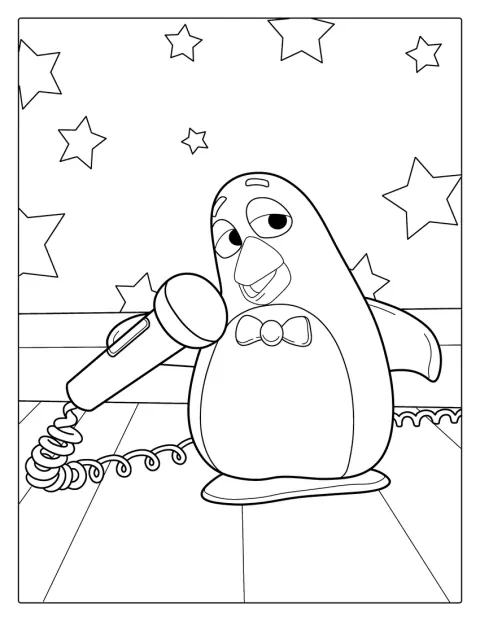
Wheezy The Penguin Coloring Page
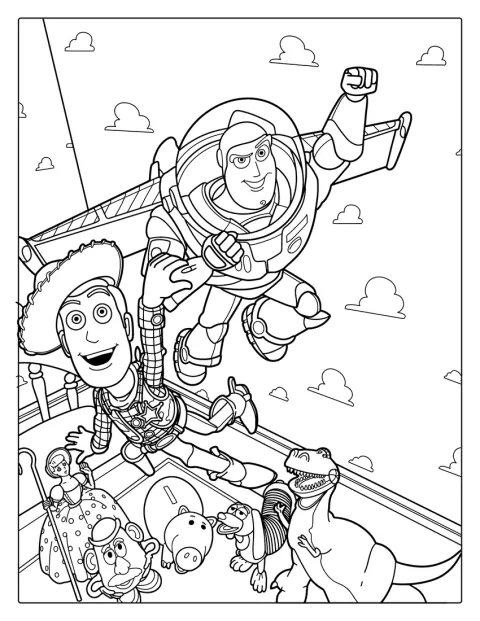
Buzz Lightyear Flying With Woody
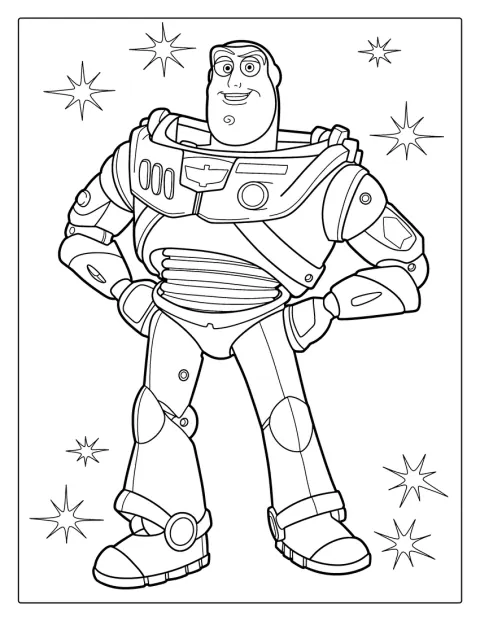
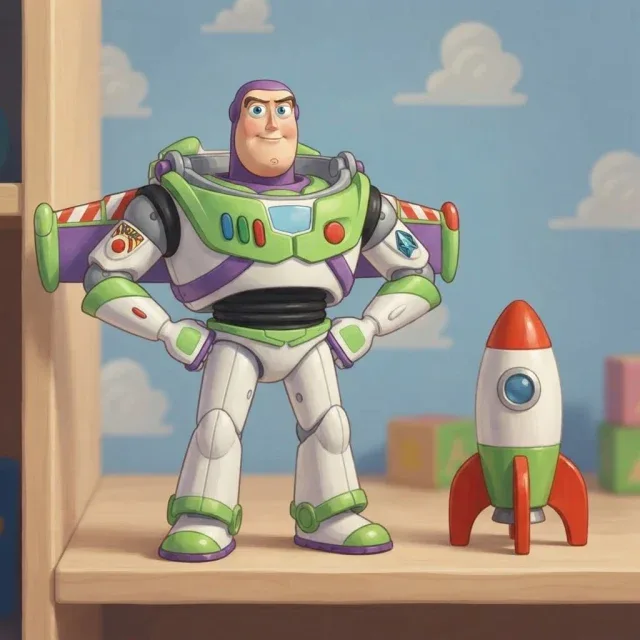
Buzz Lightyear Coloring Page For Kids
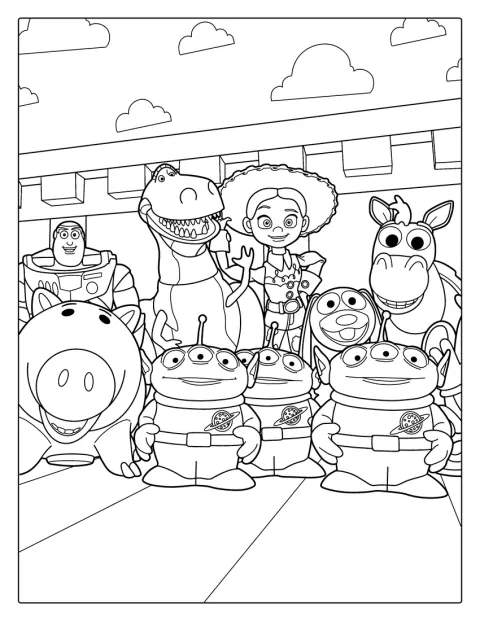
Toy Story Characters Coloring Page
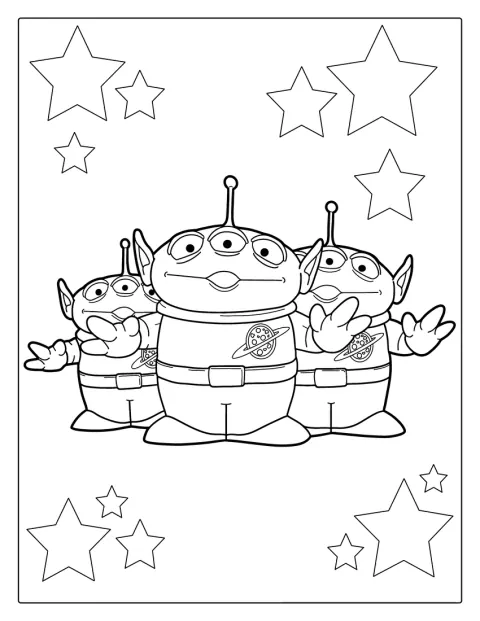
Toy Story Aliens Coloring Sheet
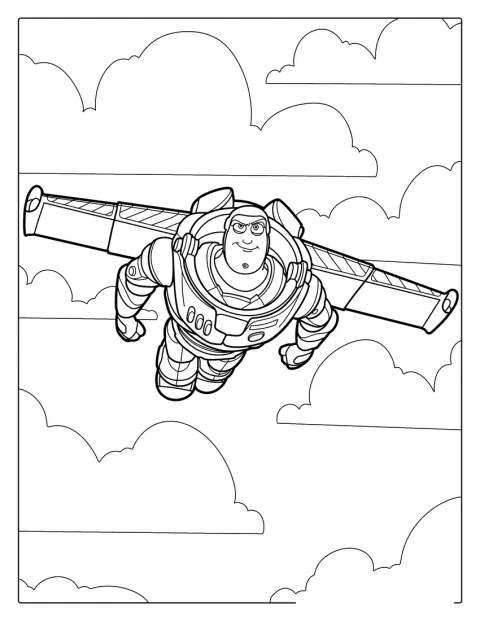
To Infinity And Beyond Coloring Page
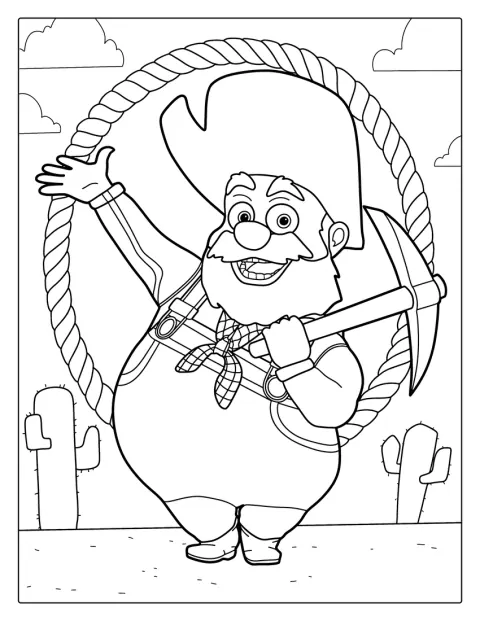
Stinky Pete (Prospector) Coloring Page
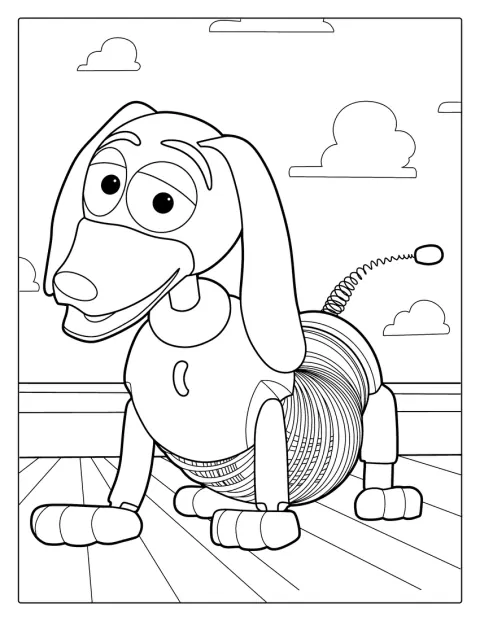
Slinky Dog From Toy Story Coloring Picture
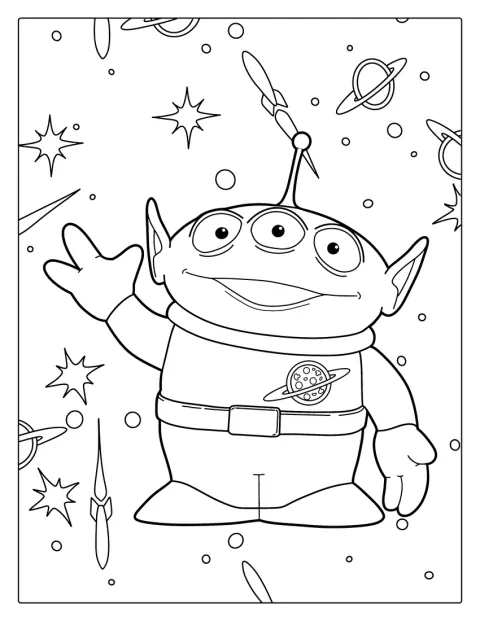
Simple Coloring Page Of Toy Story Alien
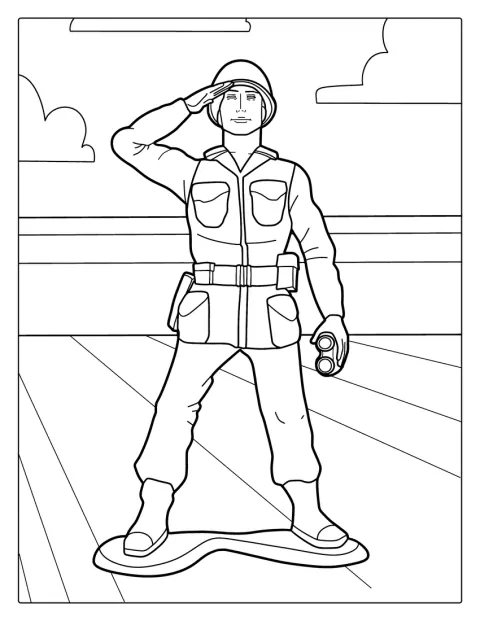
Sarge (Green Army Man) From Toy Story
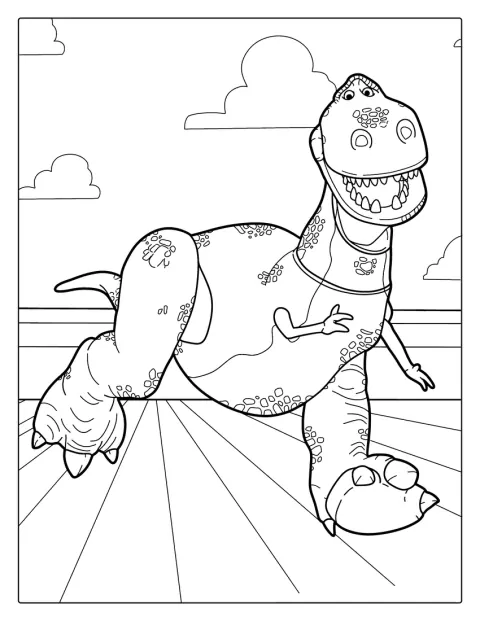
Rex The Dinosaur Coloring Sheet
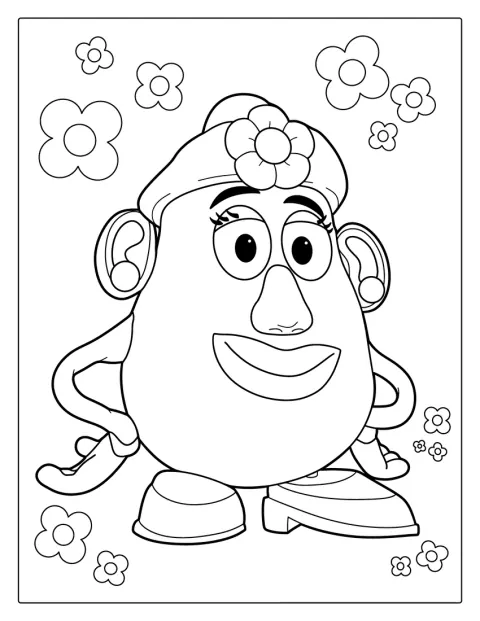
Mrs Potato Head Coloring Page
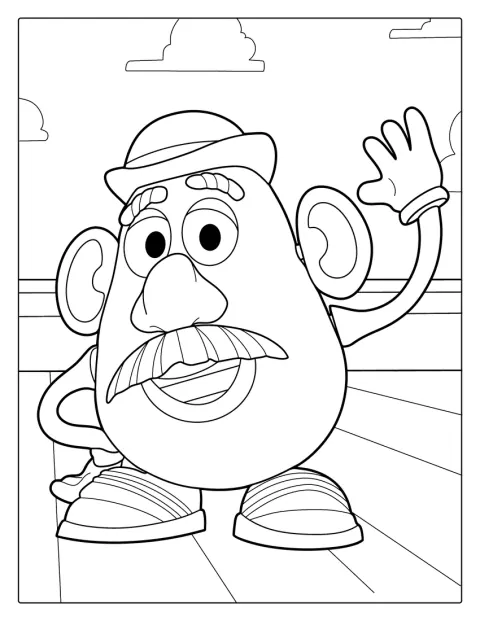
Mr Potato Head Coloring Page
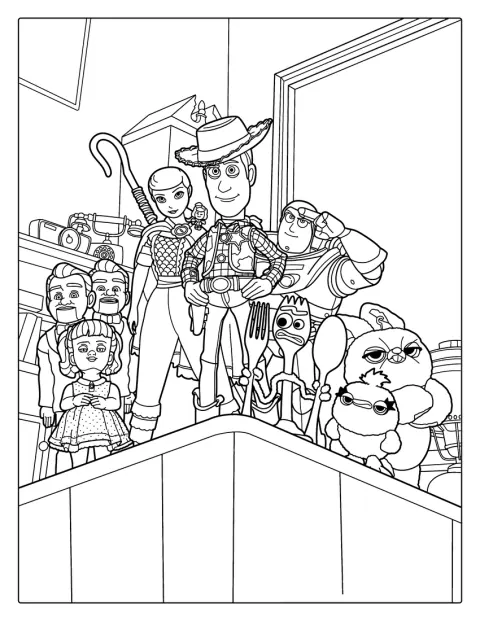
Toy Story 4 Coloring Page
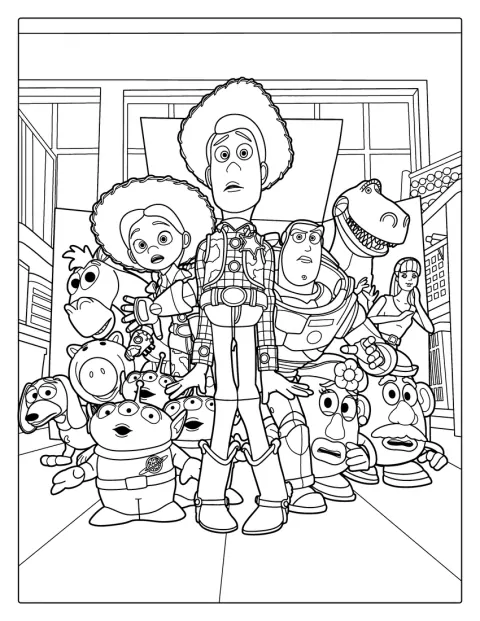
Toy Story 3 Coloring Page
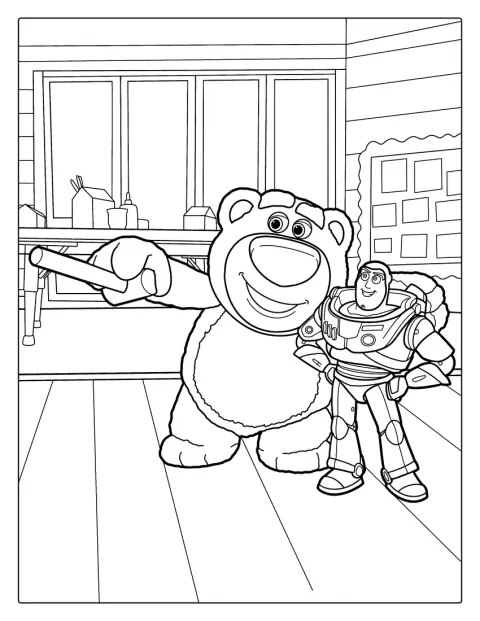
Lotso And Buzz Coloring Page
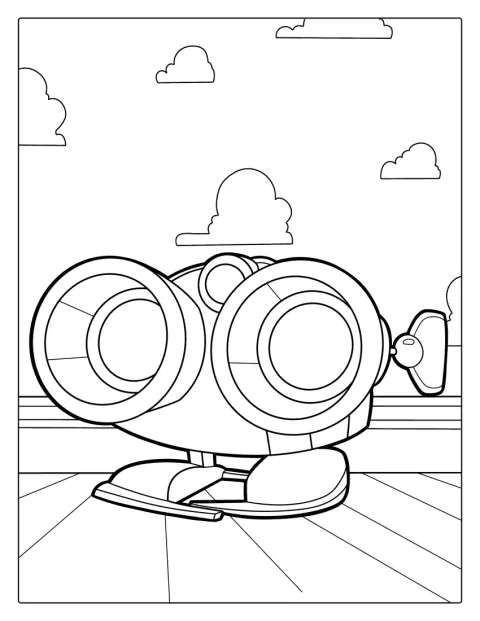
Lenny the Binoculars Coloring Sheet For Kids
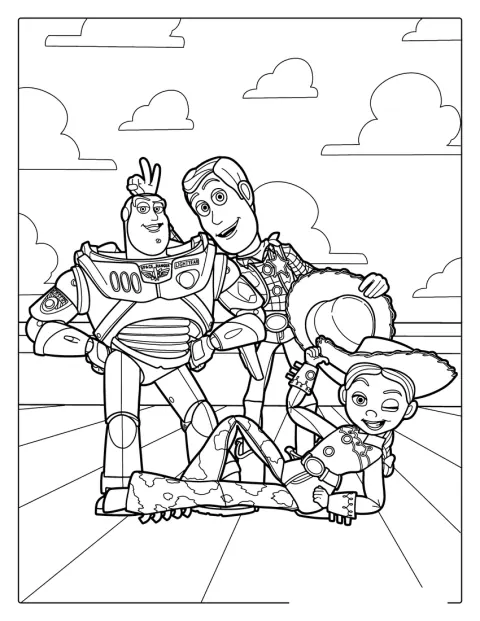
Jessie, Buzz, And Woody Coloring Sheet For Kids
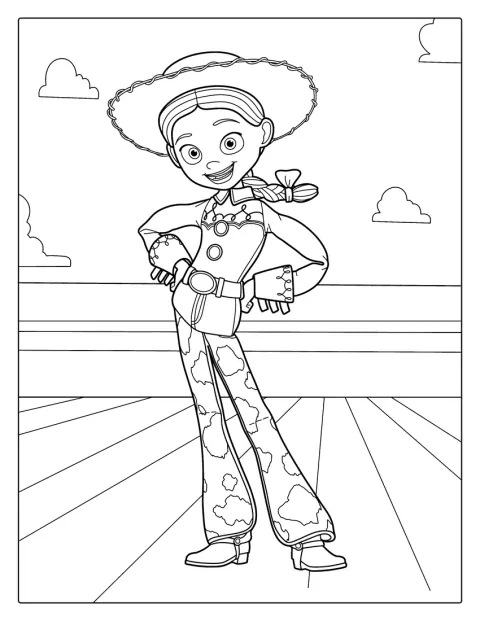
Jesse The Cowgirl Coloring Picture For Kids
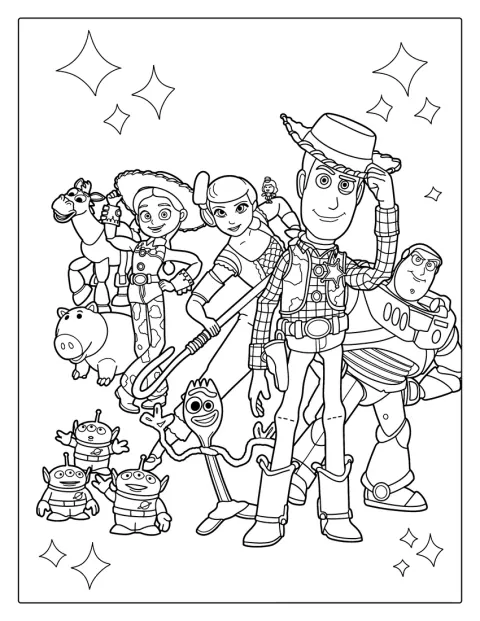
Iconic Toy Story Characters Coloring Page
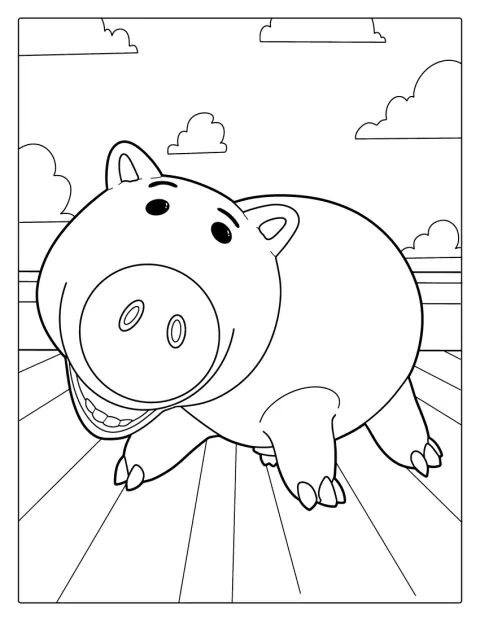
Hamm The Pig Coloring Page
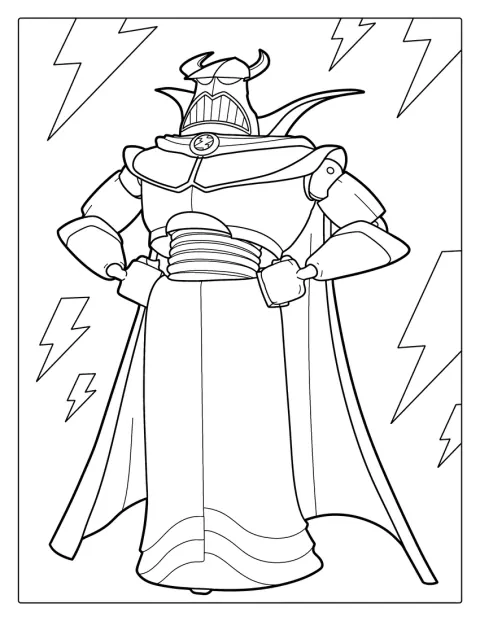
Coloring Page Of Zurg From Toy Story
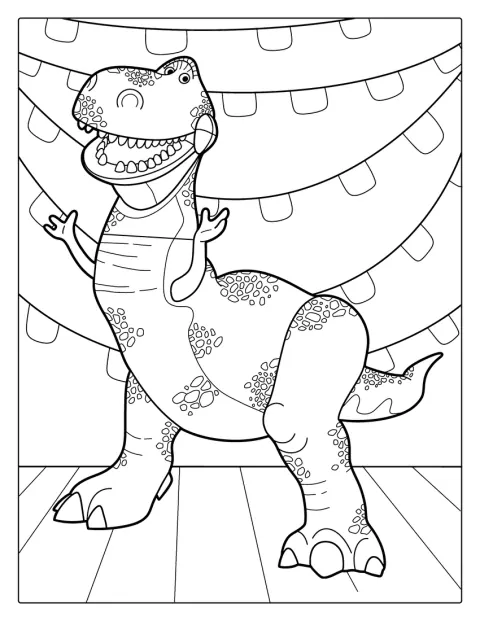
Coloring Page Of Rex The Dinosaur
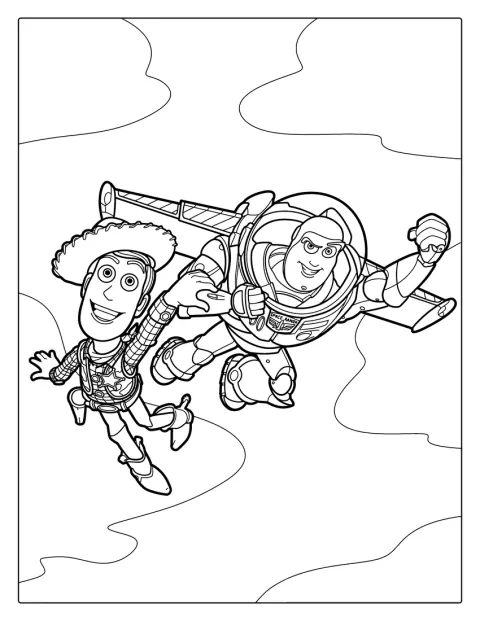
Coloring Page Of Buzz And Woody Flying
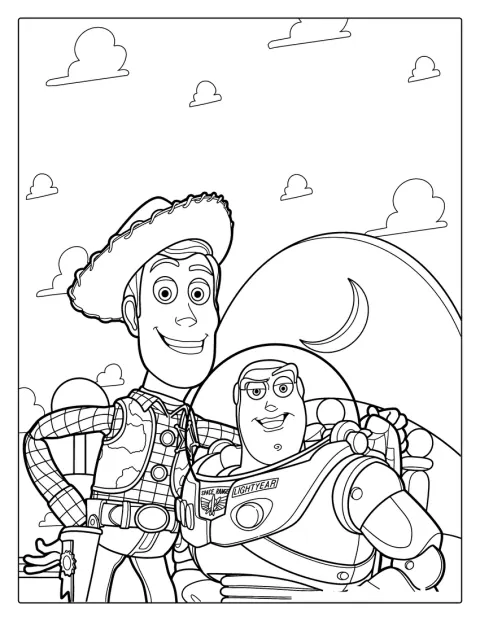
Coloring Page Of Buzz And Woody
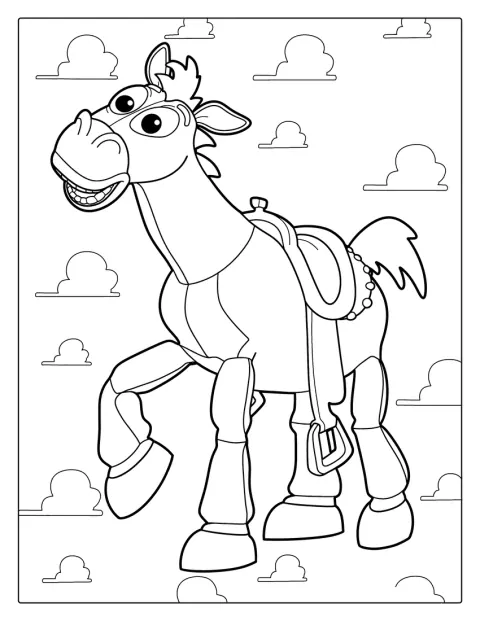
Bullseye The Horse From Toy Story To Color
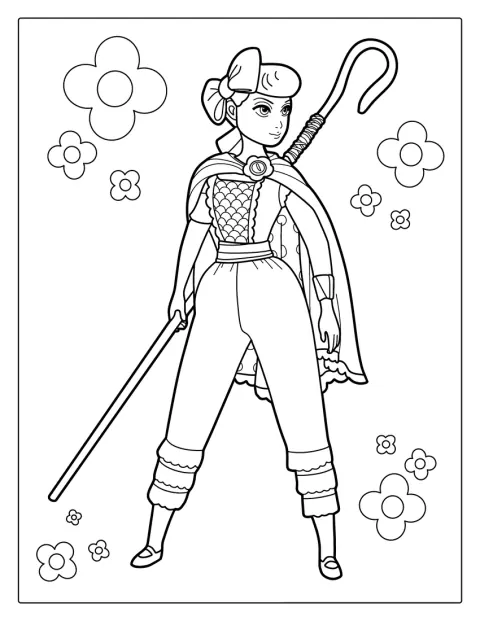
Bo Peep From Toy Story 4 To Color
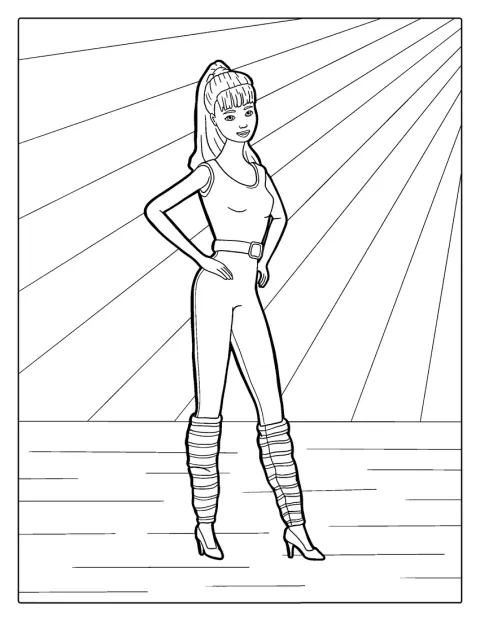
Barbie From Toy Story Coloring Page
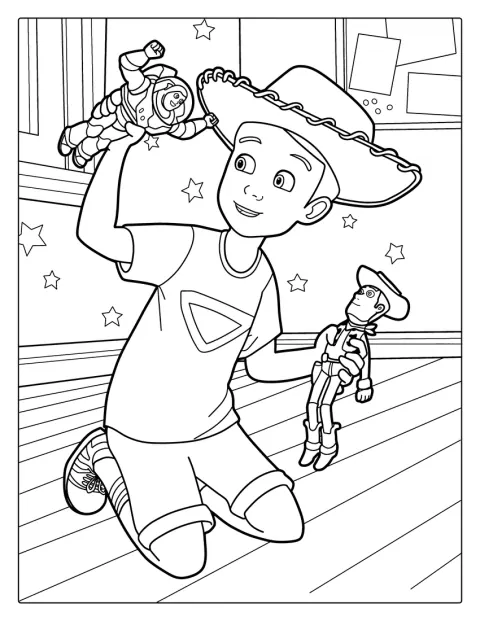
Andy Playing With Buzz And Woody Coloring Page
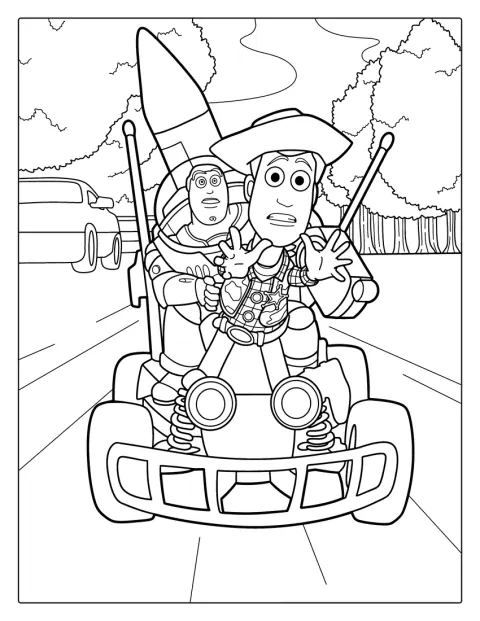
Andy And Buzz On RC Coloring PAge
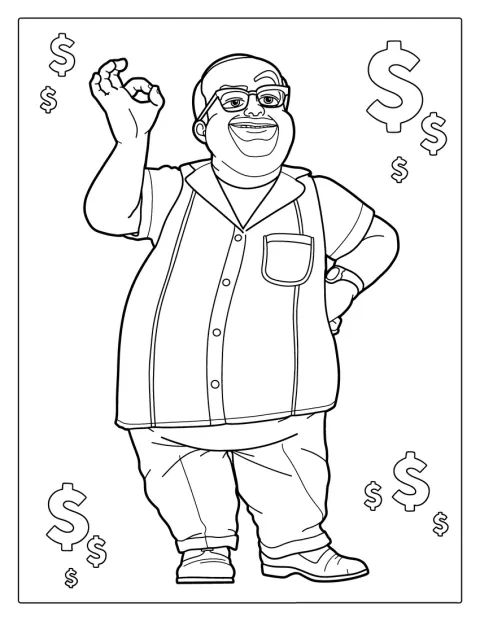
Al McWhiggin (The Chicken Man) Coloring Page
No picture found
The pictures in this collection are temporarily unavailable.
See the other collectionsFree printable Toy Story coloring pages
Choose from 32 Toy Story drawings featuring individual toys, pairs of friends, and scenes with Andy. There are simple outlines for a quick coloring break, as well as busier pictures with more to explore. Woody, Buzz, Jessie, and the other toys give kids plenty of familiar faces to recognize.
Choose by age and skill level
For a younger child, start with a large character and a few clear shapes; older kids may enjoy coloring a group or adding details to a scene. The drawing itself matters more than age, so pick one that feels manageable and fun.
Easy Toy Story coloring pages for kids
Most of the easy drawings show one character or a small group, making them a comfortable choice for preschoolers and early elementary kids. Hamm’s round body and Slinky Dog’s long, spring-shaped middle are simple to color, while Lenny’s binocular lenses invite a little color play without a crowded scene. The Toy Story aliens have bold outlines and familiar three-eyed faces that are easy to spot.
Barbie, Mrs. Potato Head, Mr. Potato Head, and Wheezy each have distinctive shapes to fill in. Sarge, the green army man, can be colored in army green, and Bullseye gives kids a horse to shade from mane to tail. These clear portraits also work well when you want a short activity before a story or a quiet break.
Medium-detail Toy Story scenes
The medium-level pages suit kids ready to color more than one figure at a time. Woody and Buzz appear together in one scene, while another shows Jessie alongside both friends, giving children a chance to choose colors for each outfit without losing track of the shapes.
Andy playing with Buzz and Woody brings the toys into a play scene, and Andy riding RC gives the picture a sense of movement. The Toy Story 3 and Toy Story 4 drawings are good picks for children who enjoy recognizing a film’s cast and talking about what might be happening in the scene.
Detailed Toy Story coloring pages for adults
For adults or older kids who like careful coloring, try Buzz flying with Woody or the group portrait of iconic Toy Story characters. There are more figures and smaller details to work through, so colored pencils can help with faces, clothing, and the spaces between characters.
Meet the Toy Story cast
Toy Story is an animated film series and media franchise that began in 1995. Woody, Buzz Lightyear, Jessie, and Bo Peep appear alongside toys with very different personalities and shapes, from Rex the dinosaur to the quiet penguin Wheezy and the prospector Stinky Pete.
The drawings also show the green aliens, Barbie, Hamm, Slinky Dog, and the Potato Heads, so children can compare a toy’s silhouette and details as they color. Rex’s short arms and large dinosaur head make him easy to recognize, while Buzz’s space suit has panels and buttons that give a more detailed coloring challenge. For another page featuring the space ranger, try Buzz Lightyear.
Make up a Toy Story play scene
Choose a few pages that show different toys, then invite your child to invent what happens when they meet. Andy’s play scenes can start the story, with Woody and Buzz setting off on a mission and Bullseye or Slinky Dog joining the trip.
Use colors to give each toy a recognizable look, or change them to fit an imagined adventure. Kids can add a simple background on scrap paper, such as a bedroom floor, a toy box, or a starry sky for Buzz. Ask them to describe what each toy is doing as they color; it turns a quiet activity into a chance to tell a story.
Print Toy Story coloring pages as PDFs
Select “Open the PDF” to view a drawing before printing, or choose “Print” to send it straight to a printer, including from a phone. Use fit-to-page settings if the picture looks too large for the paper. Regular paper works well for crayons and colored pencils, while thicker paper is a better choice for markers.