Toy coloring pages
This toy coloring-page gallery brings together familiar playthings, from teddy bears and rubber ducks to blocks, trains, and a rocking unicorn. Every page is free, opens as a PDF ready to print, and requires no account. You’ll find easy outlines for young children as well as more detailed scenes to enjoy at your own pace.
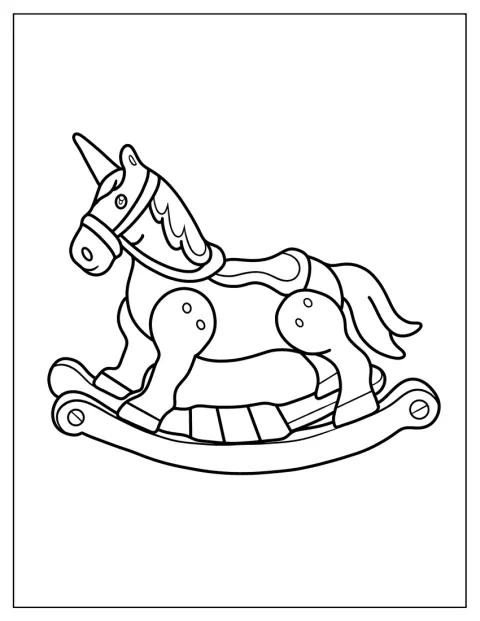
Rocking Unicorn Outline Coloring Page For Preschoolers
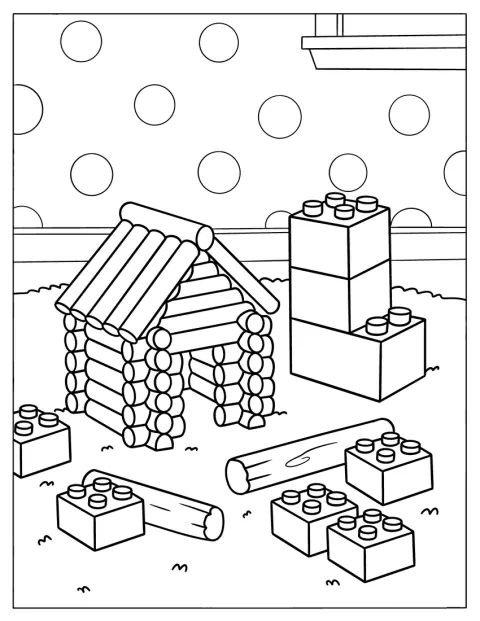
Building Toy House with Blocks and Logs Coloring Page for Kids
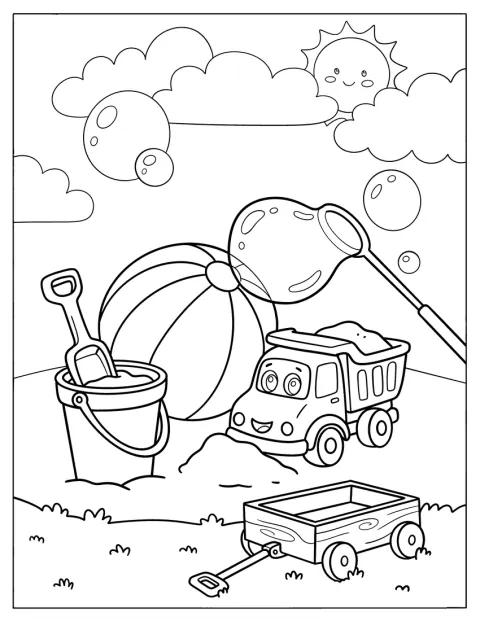
Beach Toys and Dump Truck in the Sand Coloring Page for Kids
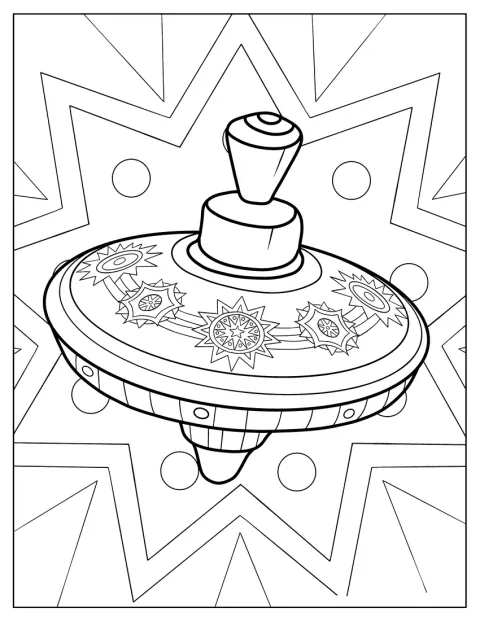
Realistic Spinning Top Coloring Sheet
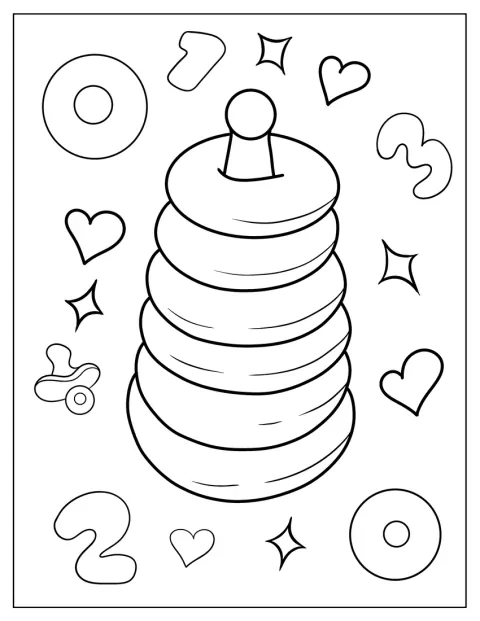
Toss A Ring Coloring Page For Kids
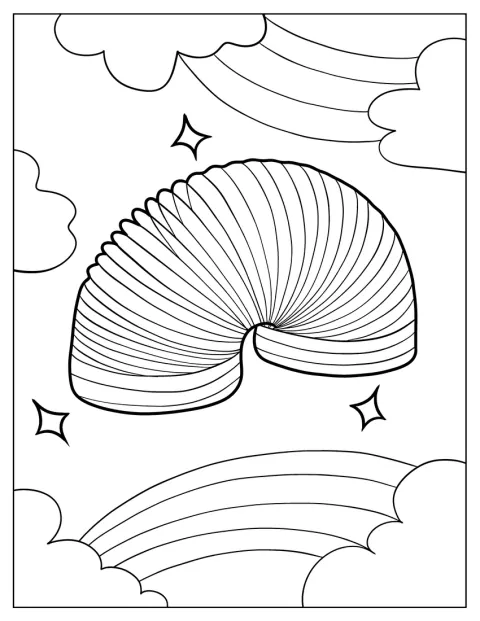
Slinky Spring Toy
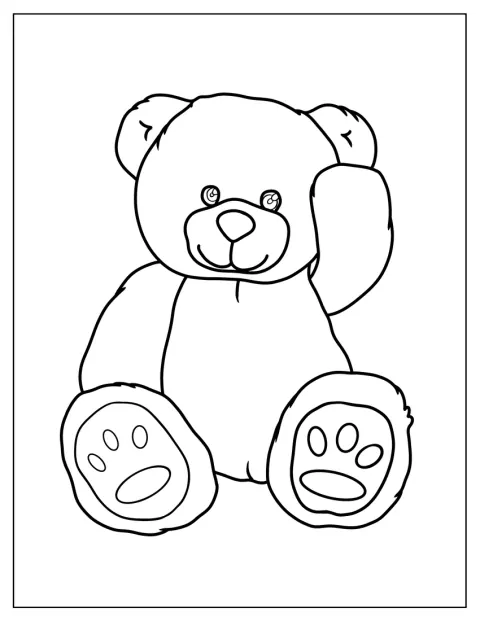
Simple Teddy Bear Coloring Page For Preschoolers
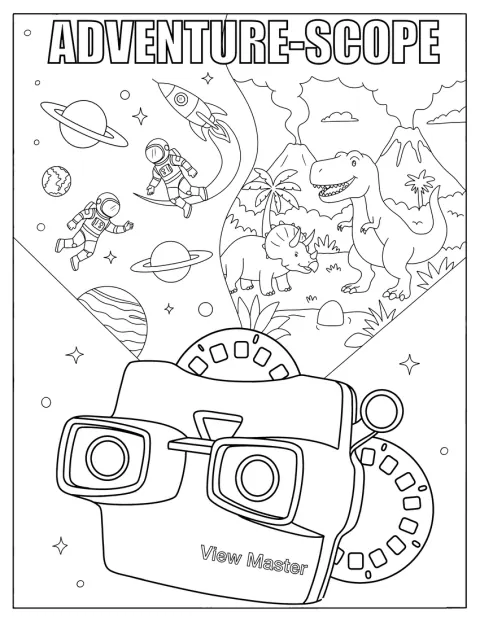
Adventure View Master Toy with Space and Dinosaur Reels Coloring Page
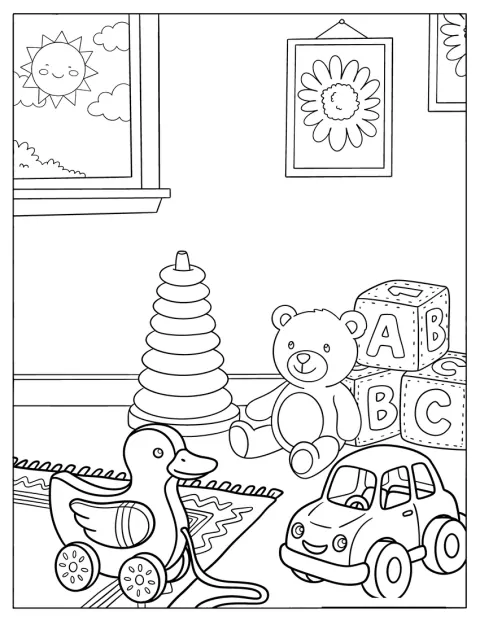
Toy Duck, Teddy Bear, and Stacking Rings Coloring Page
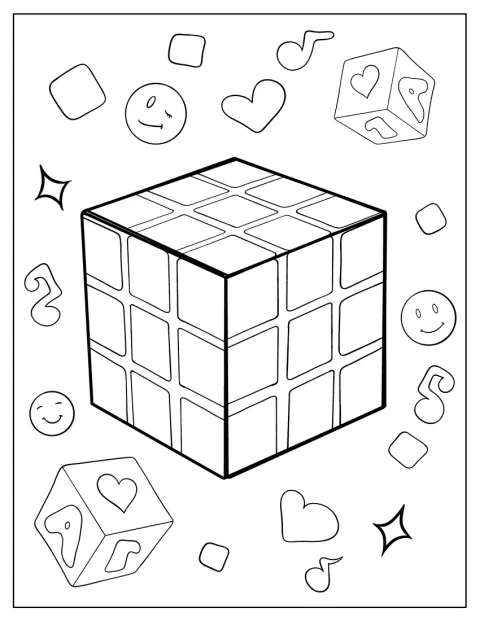
Rubik’s Cube
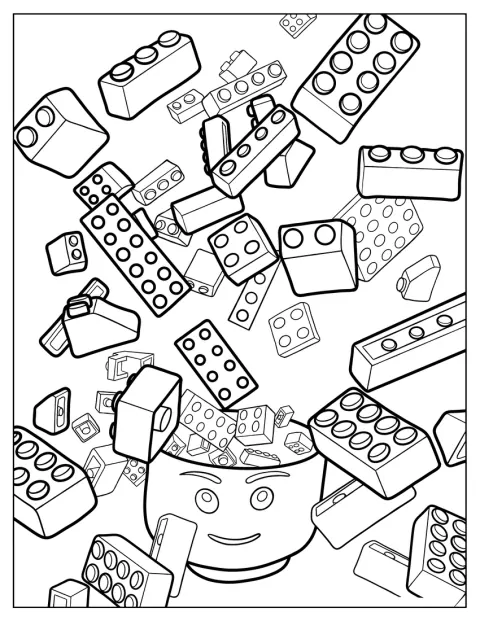
Pieces Of Lego Coloring Page
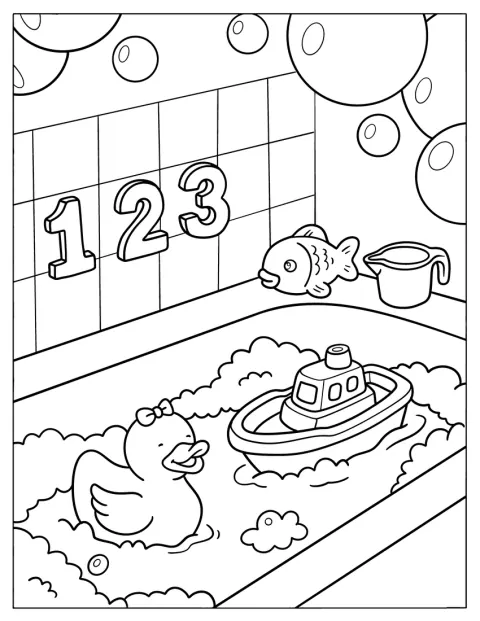
Toy Boat and Rubber Duck in a Bubble Bath Coloring Sheet for Kids
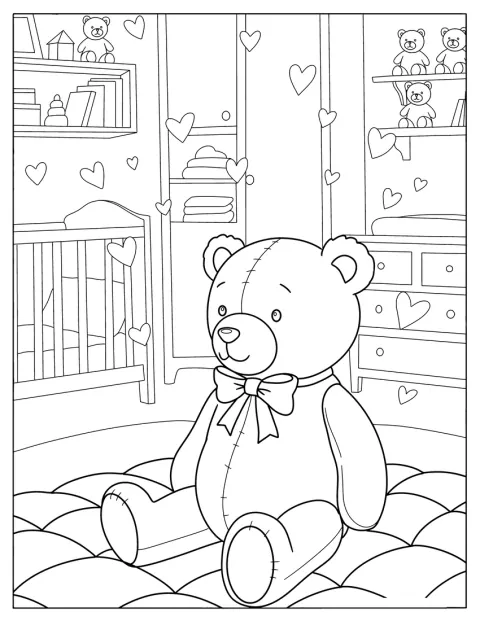
Teddy Bear Sitting in a Nursery with Hearts Coloring Page for Kids
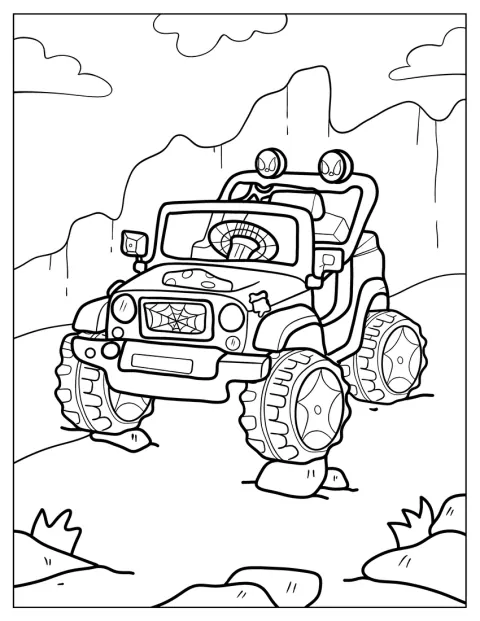
Marvel Spidey Truck
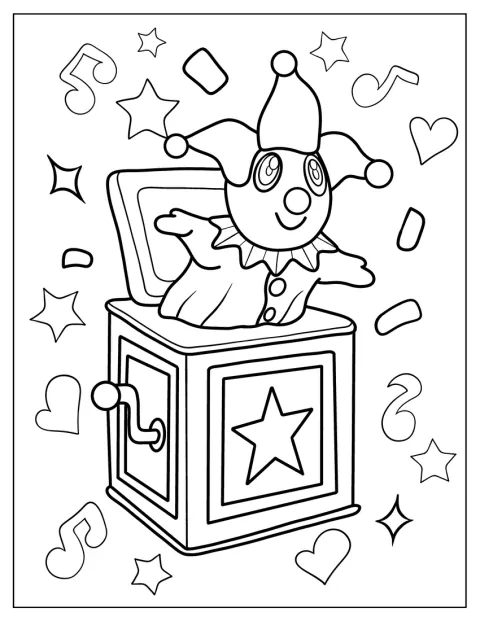
Jack In The Box Toy
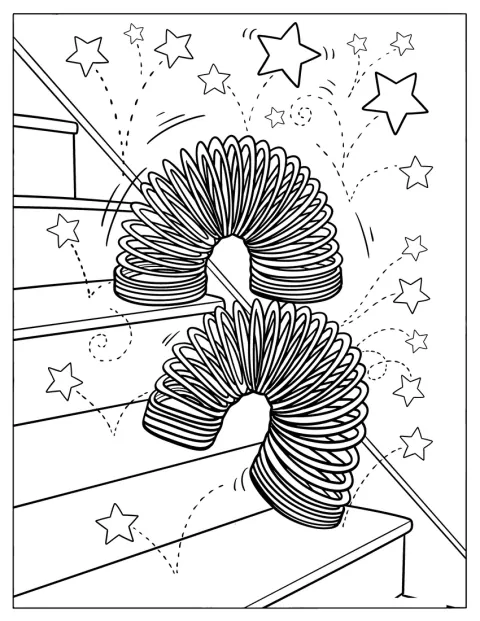
Slinky Toy Falling Down the Stairs Coloring Page
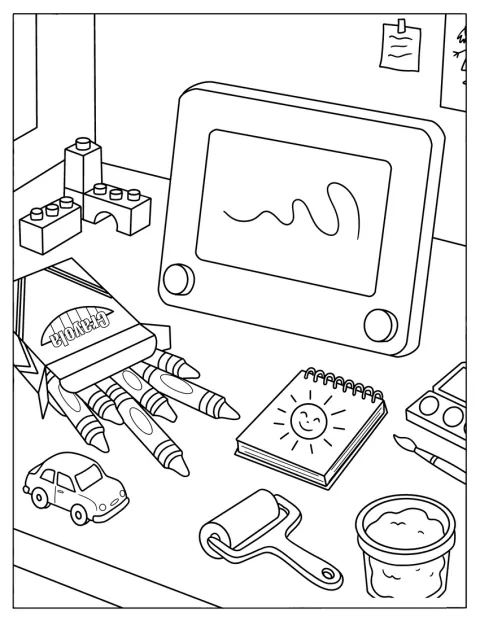
Drawing Tablet, Crayons, Notebook, and Lego on a Table
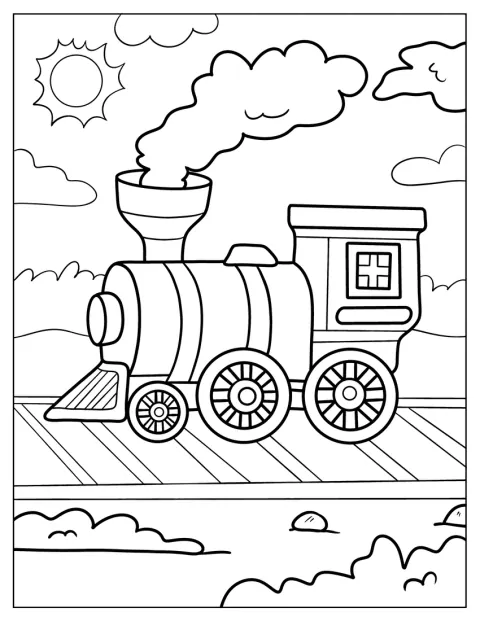
Easy Toy Train Coloring Page For Preschoolers
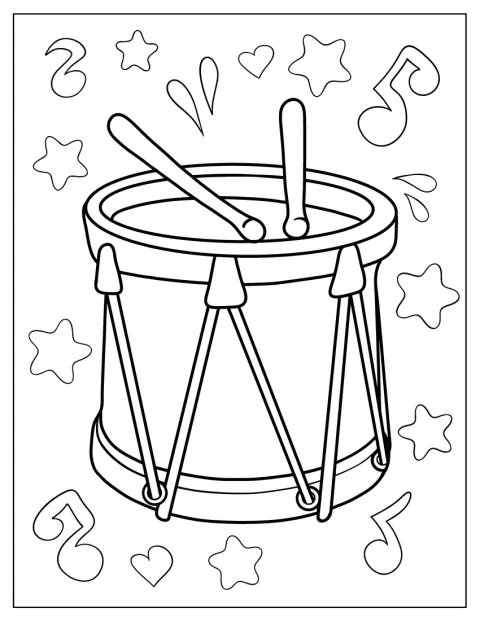
Easy Drum Toy Outline Coloring Sheet
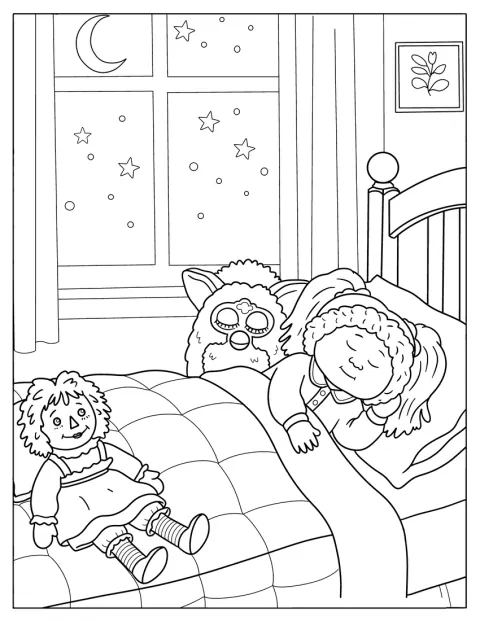
Girl Sleeping with Dolls and Furby on the Bed Coloring Page
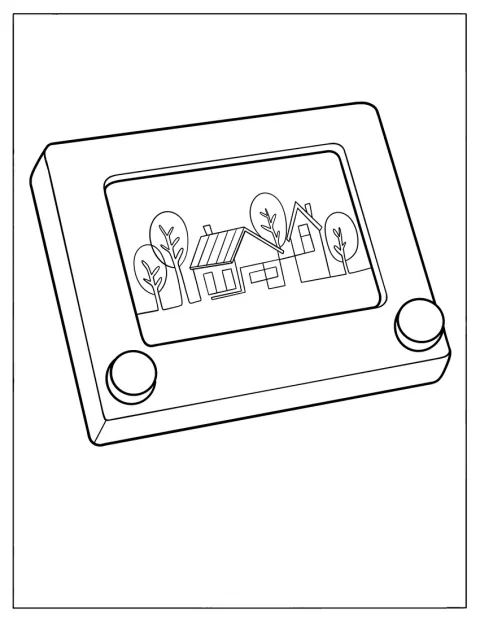
Etch A Sketch Drawing of a House Coloring Page for Preschoolers
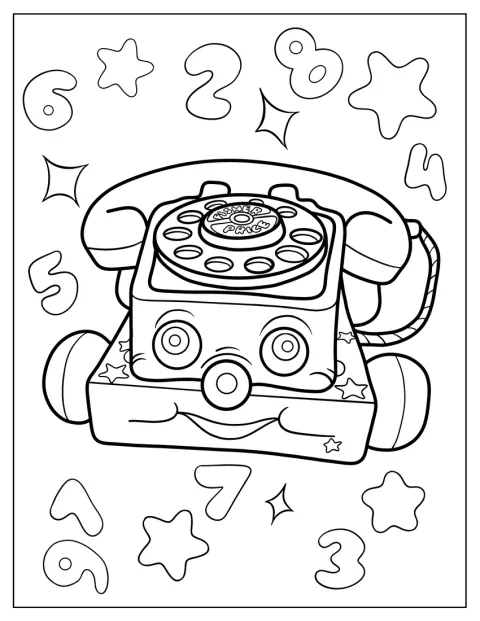
Chatter Telephone Coloring Page For Kids
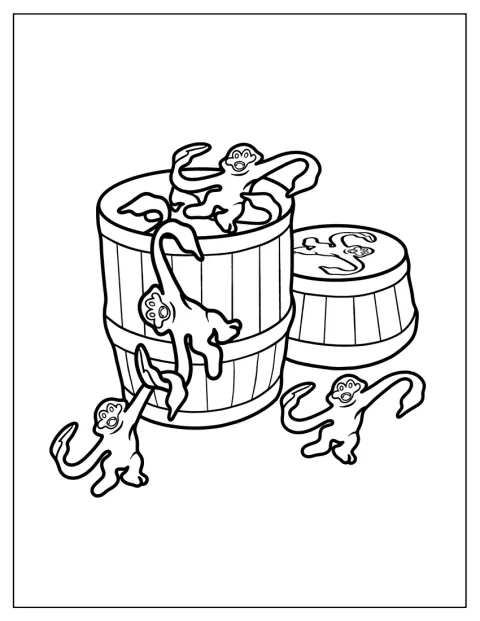
Barrel Of Monkeys Coloring Page For Kids
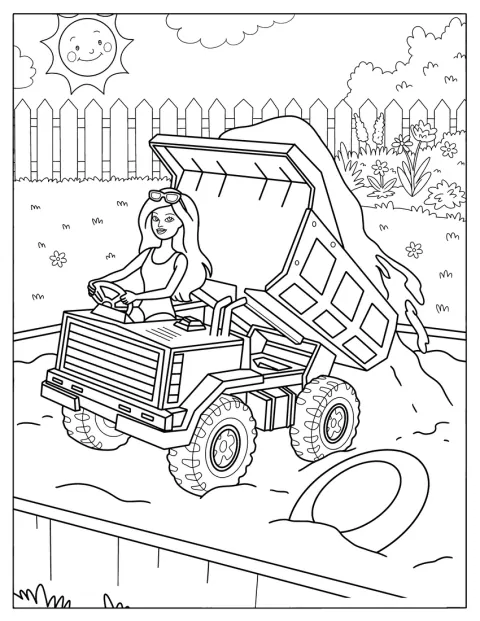
Barbie Riding a Toy Dump Truck in the Sandbox Coloring Page
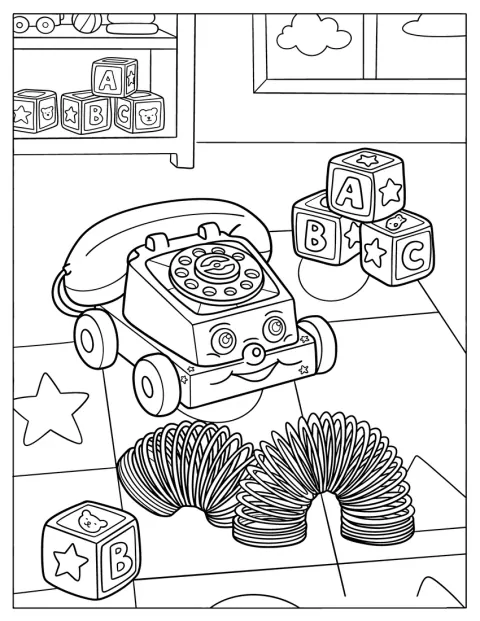
Toy Telephone, ABC Blocks, and Slinky in a Playroom Coloring Sheet
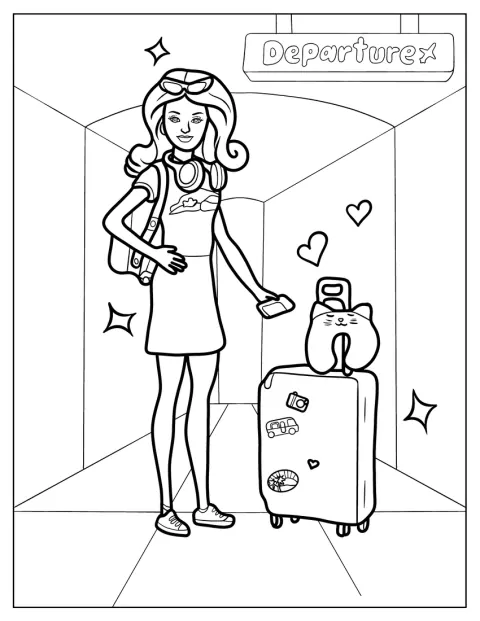
Barbie Traveler Coloring Sheet For Kids
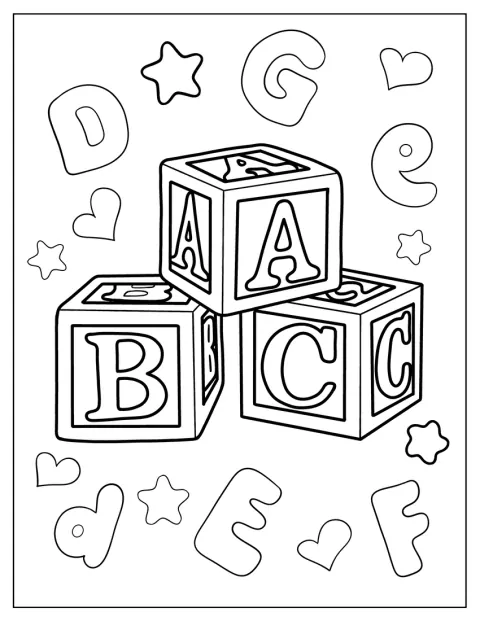
Alphabet Blocks Coloring Page For Kids
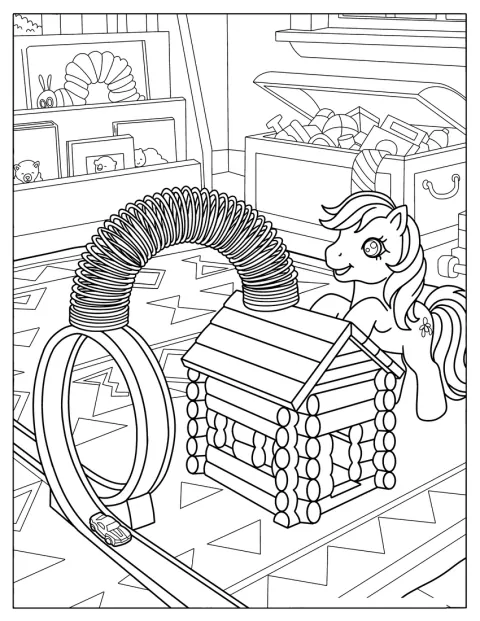
Toy Pony, Slinky Tunnel, and Log Cabin Coloring Page
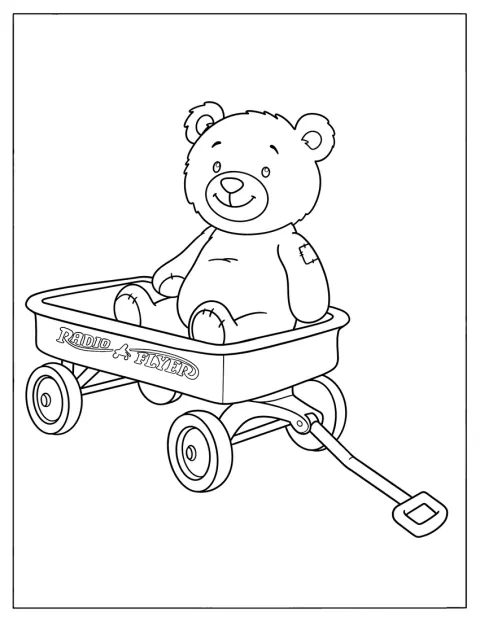
Teddy Bear Riding in a Toy Wagon Coloring Page for Preschoolers
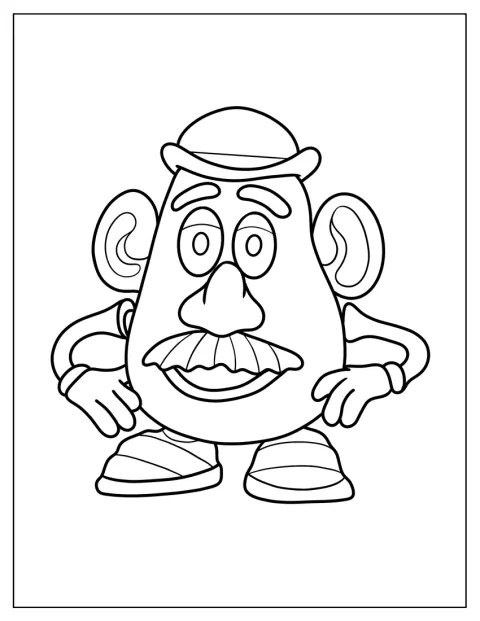
Adult Mr. Potato Head
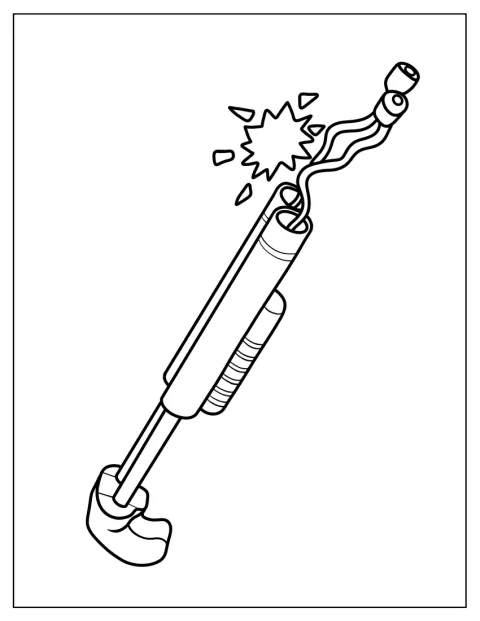
Wooden Double Barreled Pop Gun
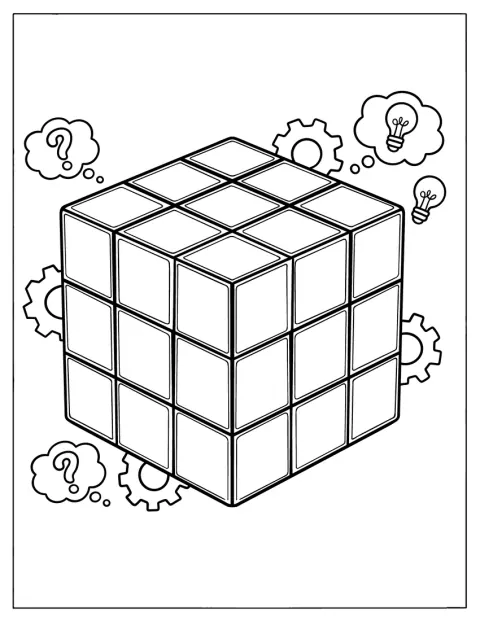
Rubik’s Cube Puzzle with Gears and Idea Icons Coloring Page for Kids
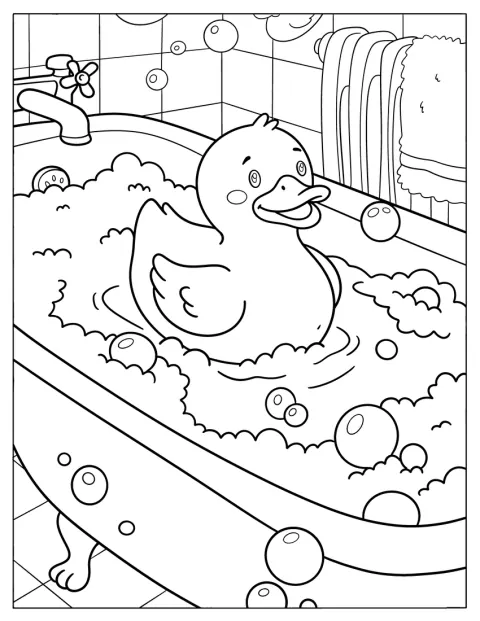
Rubber Duck Floating in a Bubble Bath Coloring Page for Kids
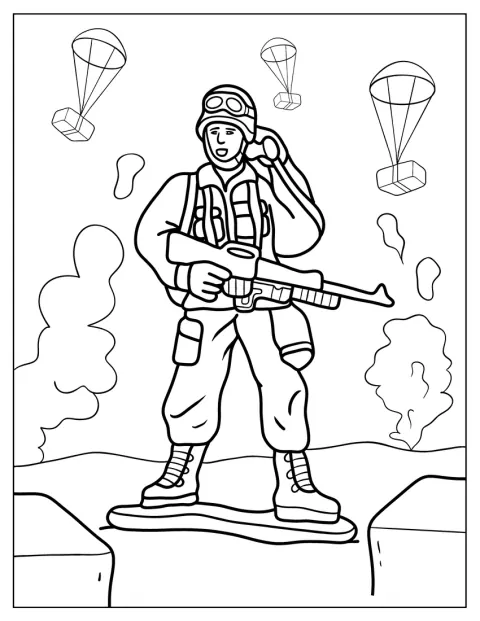
Toy Soldier With Parachutes In The Background
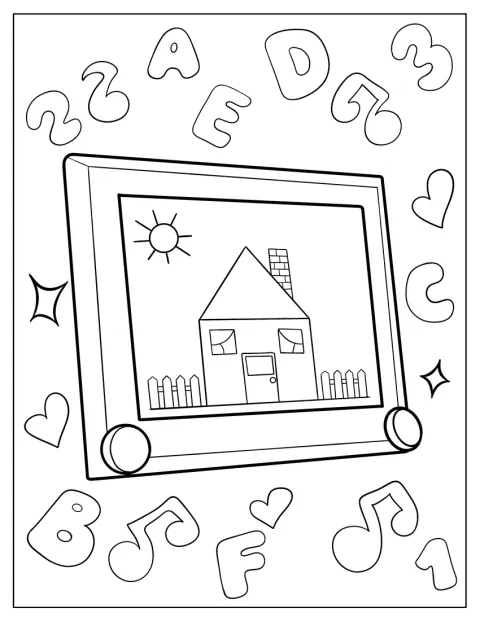
Telecran Sketching Pad Coloring Sheet For Kids
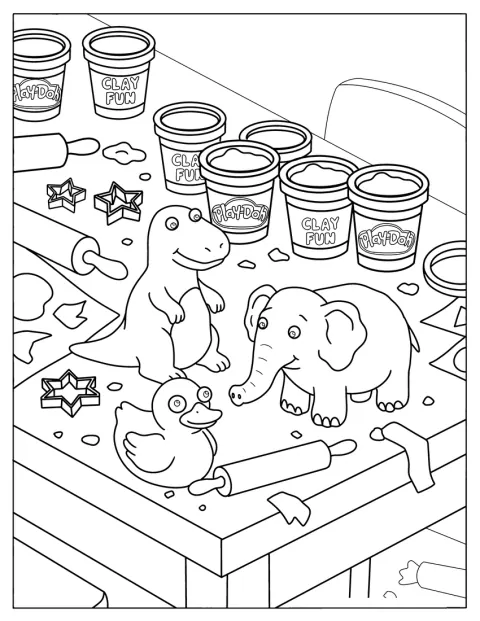
Play Doh Toy Animals on a Craft Table Coloring Page
No picture found
The pictures in this collection are temporarily unavailable.
See the other collectionsFree Printable Toy Coloring Pages
Choose from 37 drawings of toys for playroom scenes, pretend adventures, and quiet coloring time. Some focus on one simple shape, like a toy drum or Rubik’s Cube, while others bring several playthings together in a nursery, bath, or playroom.
Colors for Toys and Play Scenes
Start with colors that make each toy easy to recognize. Teddy bears look cozy in brown, tan, or cream, while a rubber duck often suits bright yellow; blocks, ring toss pieces, and toy trains can take bold reds, blues, and greens.
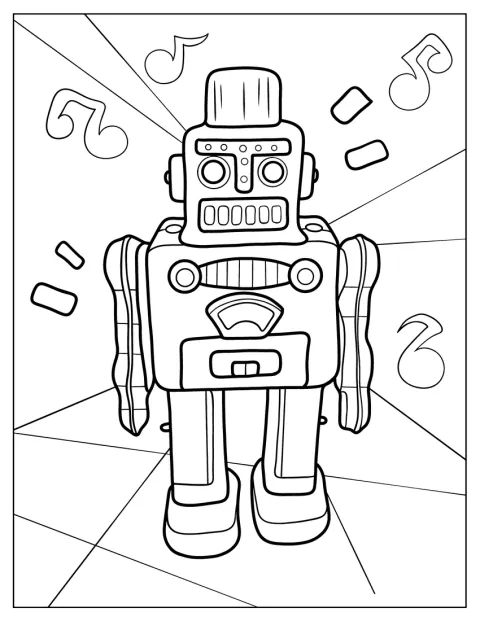
There’s no single correct palette for most toys. Try natural wood tones for the log cabin and wooden pop gun, or give a vintage robot a silvery body with colorful buttons. In a busy playroom scene, repeat two or three colors across separate objects to make the picture feel connected.
Choosing by Age and Skill Level
Match the picture to the time and attention your child has today. A three-year-old may enjoy a large outline with a few open spaces, while a seven-year-old can take on a scene with more objects; adults may like the smaller shapes and layered details in the most intricate drawings.
Easy Toy Coloring Pages for Kids
The easy drawings suit preschoolers and children who prefer broad shapes. A rocking unicorn, toy drum, ring toss, or simple teddy bear gives little hands room to color without navigating lots of tiny sections. The teddy bear riding in a wagon and the duck beside stacking rings also make a clear, cheerful scene to talk about as you color.
Detailed Toy Coloring Pages for Adults
For a longer coloring session, try the LEGO pieces, realistic spinning top, or Mr. Potato Head, where smaller parts reward careful pencil work. A toy telephone with ABC blocks and a Slinky creates a fuller playroom scene, while the Slinky tumbling down stairs offers repeated coils to shade one by one.
Make a Toy Parade Story
Choose a few toys in the gallery and imagine they’re joining a parade through the house. Give each one a destination: the teddy bear rides in its wagon, the toy train carries blocks, and the rocking unicorn waits at the finish line. Add a setting and a reason for the trip as you color.
For a younger child, let them decide which toy leads and what each one is carrying. Older kids can add a short title or a speech bubble after coloring, turning the scene into a small story to share.
How Toys Invite Pretend Play
Many toys resemble everyday objects, but invite children to use them in playful ways. A toy telephone can start an imaginary conversation, alphabet blocks can become a tower or a first spelling game, and a drum can set the beat for a pretend parade.
Look for clues in each drawing about how a toy might be used. The View-Master’s space and dinosaur reels suggest looking at faraway scenes, while the play-dough animals invite a made-up creature story. If your child wants animated movie characters instead, Toy Story is a closer match.
Print Toy Coloring Pages as PDFs
Choose “Open the PDF” to view a page before printing, or “Print” to send it directly to a printer; both buttons work from a phone, too. Use the fit-to-page setting if the drawing looks cropped in the preview. Heavier paper helps with markers, while colored pencils are handy for small details such as Slinky coils and spinning-top patterns.