Science coloring pages
Explore Science coloring pages filled with lab equipment, scientists, space themes, and familiar science symbols. Every page is free, with no account needed, and opens as a PDF ready to print. Pick a simple microscope or magnet for a quick start, or choose a detailed lab scene for a longer coloring session.
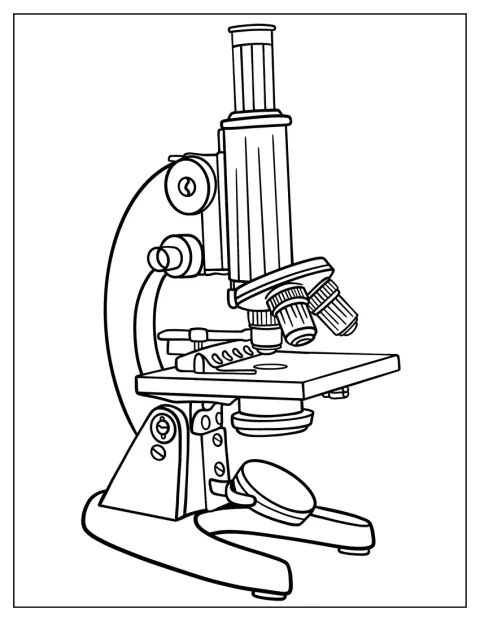
Easy Microscope Coloring Sheet
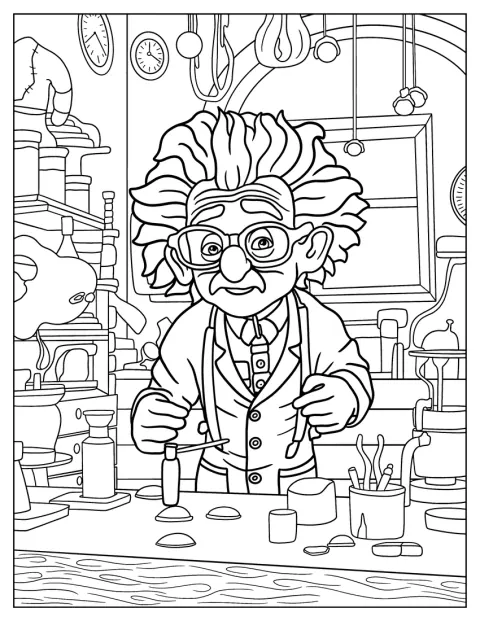
Albert Einstein Performing Laboratory Science Experiment
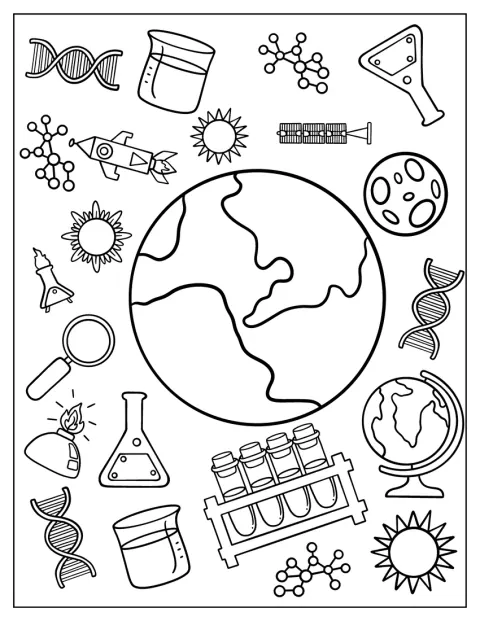
Easy Earth Surrounded By Science And Technology Coloring Page
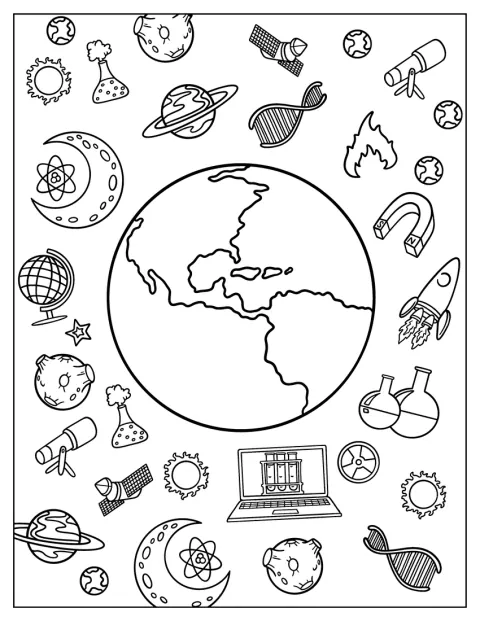
Simple Earth Surrounded By Rockets, Planets, Flasks, And Magnets Science Coloring Page
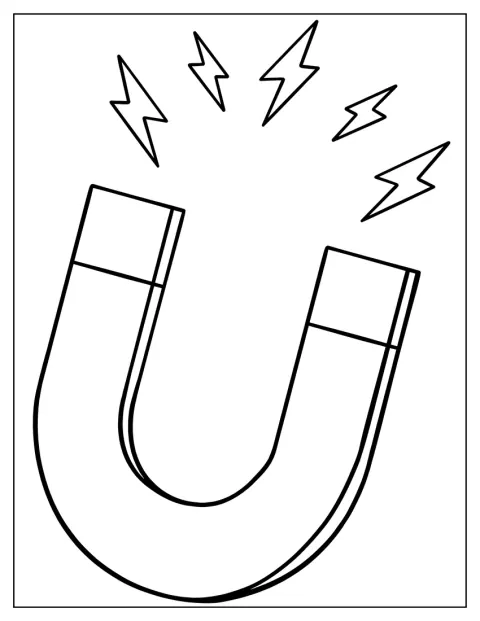
Magnet Showing Magnetic Force Coloring Page
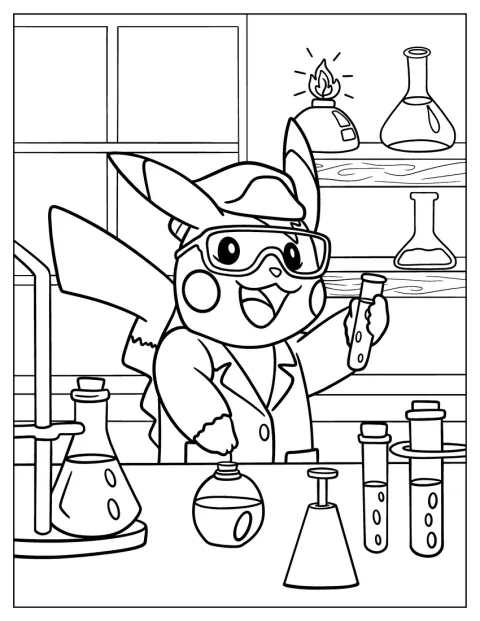
Scientist Pikachu Holding Up A Test Tube Coloring Sheet For Kids
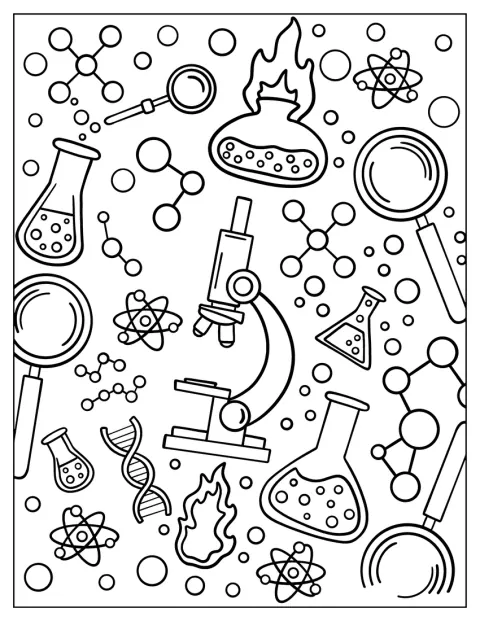
Science Laboratory Tools And Molecules Coloring Page For Kids
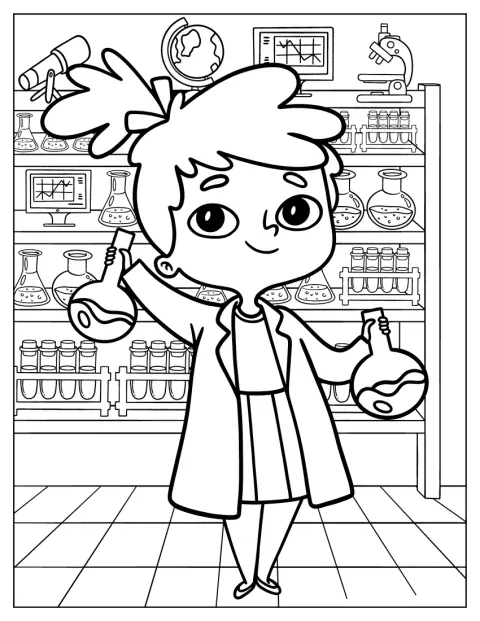
Kawaii Female Scientists Holding Volumetric Flasks
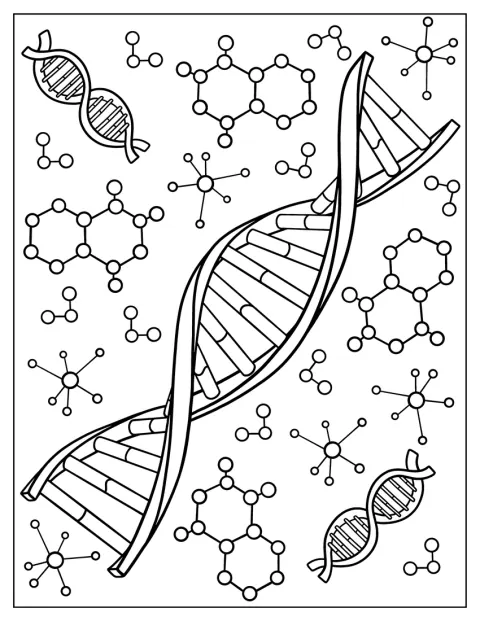
DNA Strands Coloring Sheet
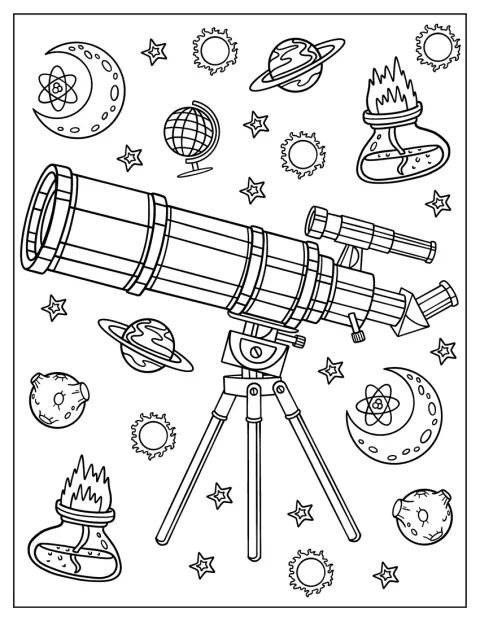
Detailed Refractor Telescope Coloring Sheet
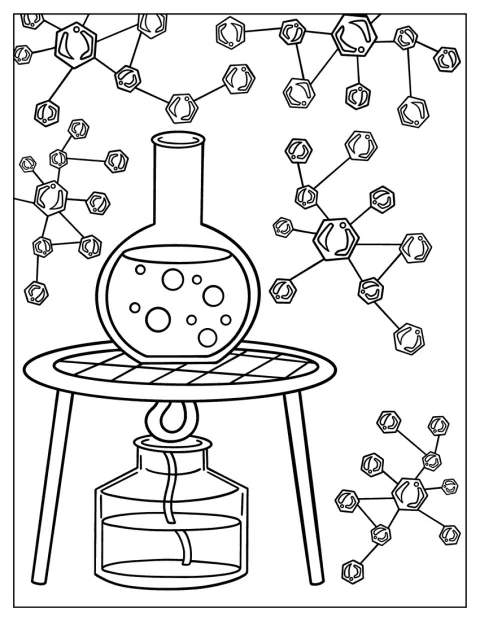
Volumetric Flask Being Heated On Stand Above Alcohol Lamp
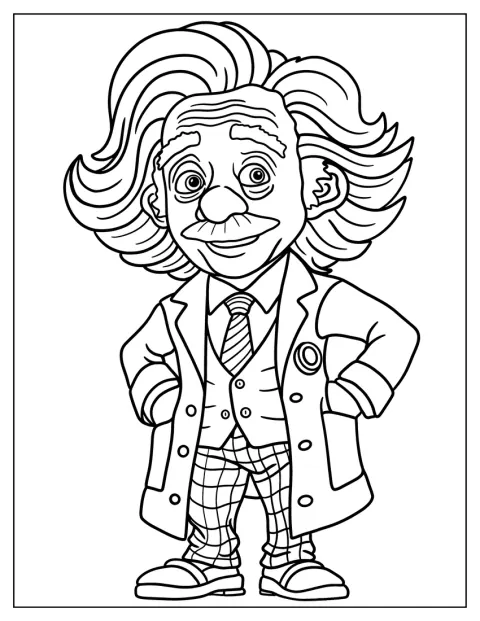
Chibi Albert Einstein Coloring Page For Kids
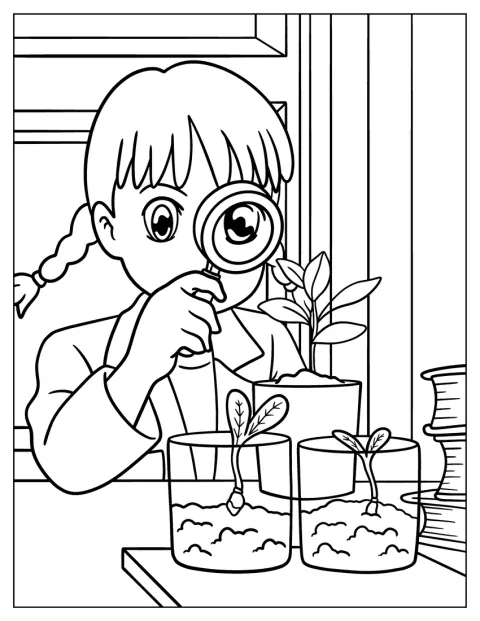
Scientist Studying A Plant With A Magnifying Glass
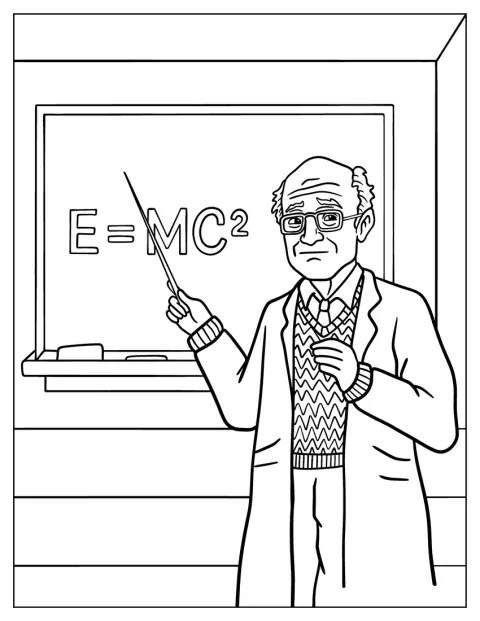
Science Professor Teaching Theory Of Relativity Coloring Sheet
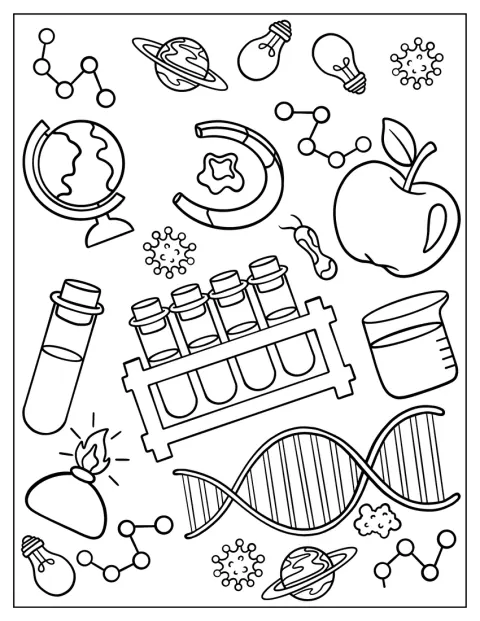
Science Laboratory Tools And Symbols Coloring Sheet
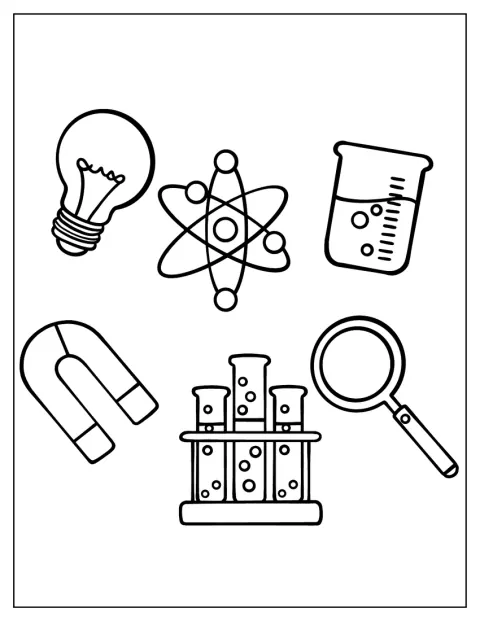
Science Elements Atom, Magnet, Test Tubes, Beaker, Light Bulb, And Magnifying Glass
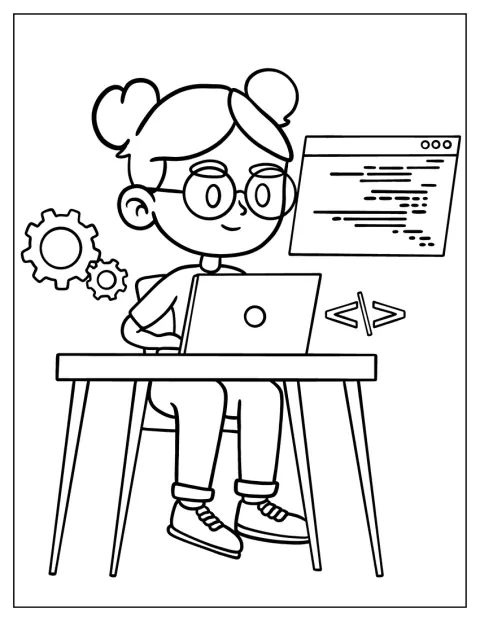
Nerdy Girl Studying Science On Her Laptop Coloring Page For Kids
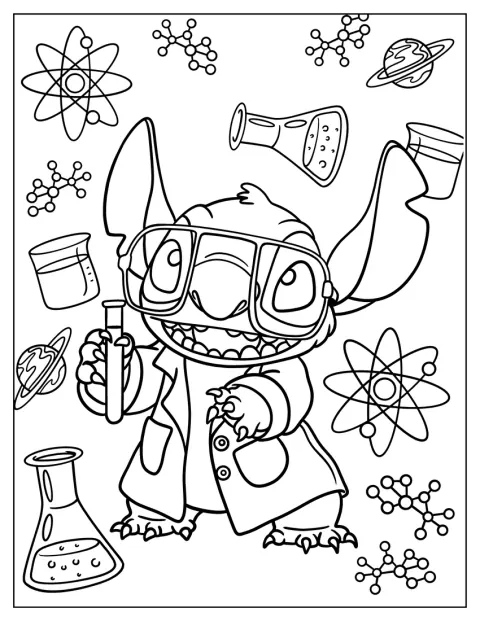
Mad Scientist Stitch With Goggles And Test Tube Coloring Page For Kids
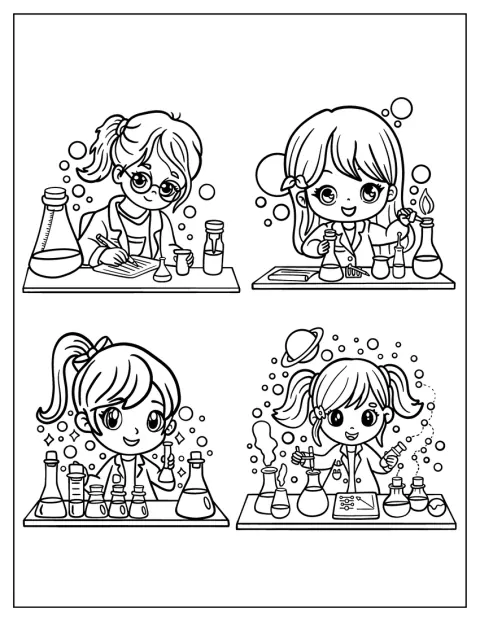
Kawaii Scientists Performing Lab Experiments Coloring Page For Kids
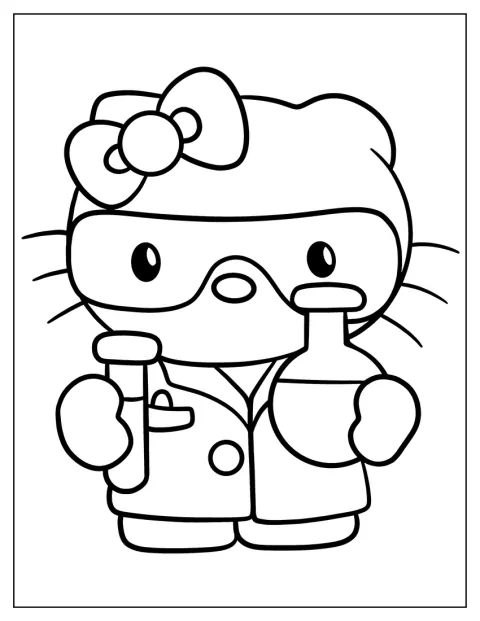
Hello Kitty In Laboratory Coat Holding A Flask And Test Tube Coloring Sheet For Kids
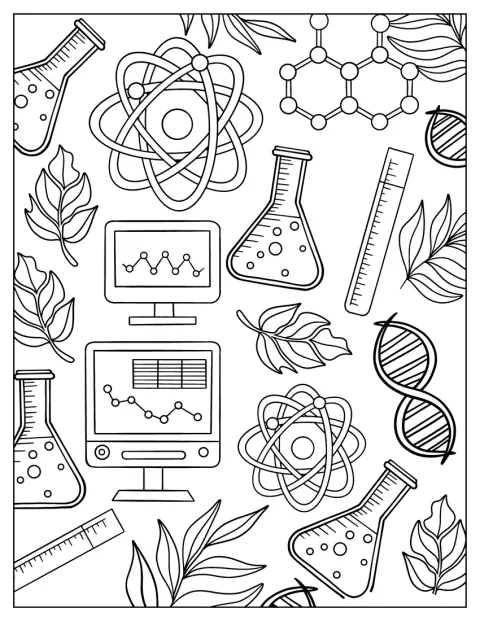
Full Page Scientific Symbols Atom, Beakers, Test Tubes, Computers, And DNA
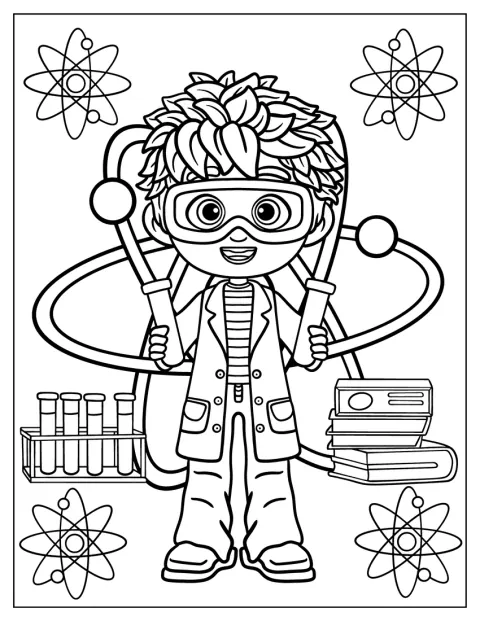
Chibi Scientist Surrounded By Books And Test Tubes
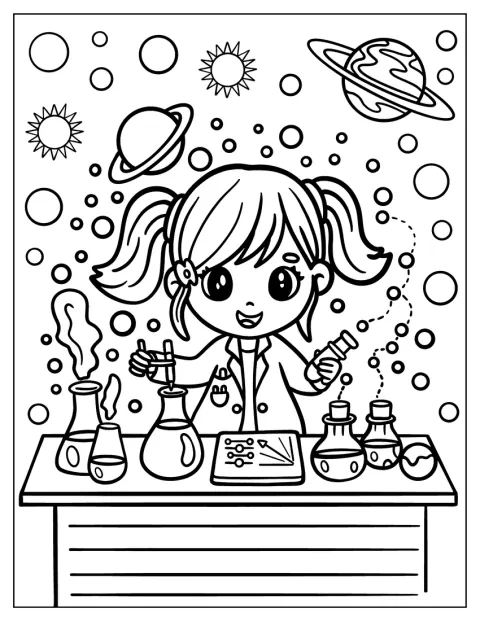
Chibi Girl Performing Science Experiments In A Lab Coloring Page
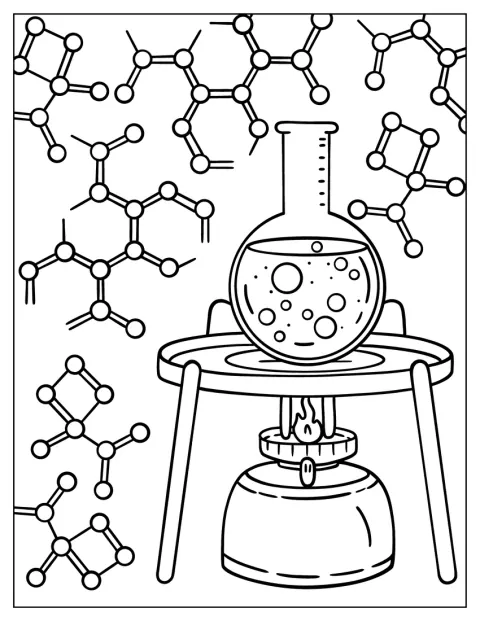
Bunsen Burner Heating Up A Flask Science Coloring Page
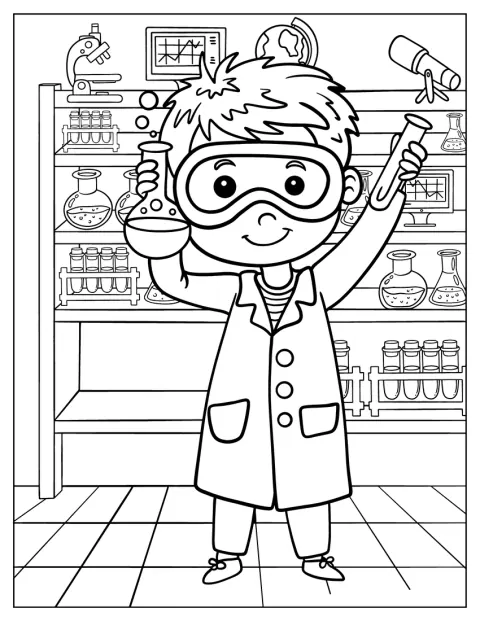
Boy In Goggles And Lab Coat In A Science Laboratory Coloring Page
No picture found
The pictures in this collection are temporarily unavailable.
See the other collectionsFree Printable Science Coloring Pages
Browse drawings of microscopes, magnets, test tubes, beakers, atoms, DNA, and scientists at work. Some focus on one clear object, while others fill the page with laboratory tools, computers, molecules, and experiments to explore as you color.
Colors for Science Drawings
Science pictures can look realistic or take a bright, imaginative direction. Try silver or gray for a microscope, blue and red for a magnet, and clear blues or greens for liquids in glassware; use a contrasting color for the flask contents so they stand out. For atoms, DNA, and other diagrams, choose a different color for each part to make the shapes easier to follow.
A lab coat can be white, but colored coats make a lively scene, too. Give the Earth greens and blues, then add bright colors to the rockets, planets, and science symbols around it.
Cute Science Coloring Pages
Chibi and kawaii scientists bring a playful feel to lab scenes, with books, test tubes, goggles, and flasks to color. The girl carrying out experiments and the scientists holding volumetric flasks give you people and equipment to decorate, while their expressive faces are fun to personalize.
For a smaller scene, try the chibi scientist surrounded by books and test tubes or the chibi Albert Einstein. A scientist Pikachu and a lab-ready Stitch add familiar animated faces to the science theme; bright goggles and a colorful test tube can make each scene your own.
What the Science Pictures Show
Many of the drawings pair scientific tools with the ideas they help us investigate. A microscope is used to look closely at tiny specimens, while a refractor telescope gathers light from distant objects; coloring both can help children notice how their shapes and purposes differ. A magnifying glass beside a plant suggests a closer look at leaves and other details.
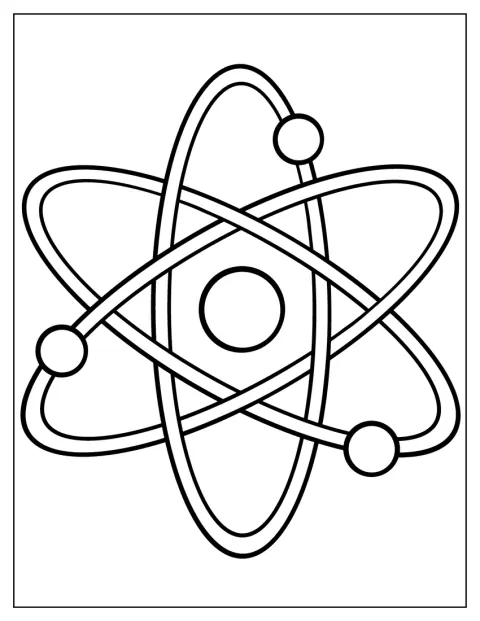
Other pictures show models rather than equipment. The atom symbol and DNA strands represent ideas about matter and heredity, while magnets and their force are a way to picture an effect that cannot be seen directly. Use the Solar System coloring pages for another space-themed activity with planets and objects to color.
Choose by Age and Coloring Level
For a quick choice, look at how much detail is in the drawing and how much time the person coloring wants to spend. The simpler pages suit short sessions and younger children, while busier lab scenes leave more room for careful shading and color choices.
Easy Science Coloring Pages for Kids
A simple microscope has a large, recognizable outline that works well for a 3-year-old practicing broad strokes. At around 7, a child may enjoy the magnet showing magnetic force or the Earth surrounded by rockets, planets, flasks, and magnets, with several separate shapes to color.
The Hello Kitty lab coat scene adds a face, a flask, and a test tube without crowding the page. These easy drawings also make a quick starting point before a science activity or classroom conversation.
Medium-Detail Science Drawings
A boy in goggles and a lab coat, a scientist using a laptop, or a set of science symbols gives a school-age child more separate details to work through. The beaker, light bulb, magnifying glass, test tubes, atom, and magnet make a useful choice when you want to talk about familiar lab objects as you color.
The professor explaining the theory of relativity and Einstein performing an experiment add people and a setting, so there is more to notice than in a single-object picture.
Detailed Science Coloring Pages for Adults
For adults or anyone who enjoys close work, choose the laboratory tools and symbols, the DNA strands, or the full-page collection of beakers, computers, atoms, and molecules. The flask heated on a stand above an alcohol lamp and the Bunsen burner scene have narrow equipment shapes that reward careful coloring.
A detailed telescope, scientists working together, or a scientist studying a plant with a magnifying glass offers a fuller scene to shade. Fine pencils work well for small glassware and scientific symbols, while a limited palette can bring order to a busy page.
Print Science Coloring Pages in PDF
Select “Open the PDF” to open a drawing as a PDF, or choose “Print” to print it directly, including from a phone. Check the print preview and use fit-to-page if needed; thicker paper is helpful with markers, while colored pencils make it easier to fill the small details in lab equipment and diagrams.