Lizard coloring pages
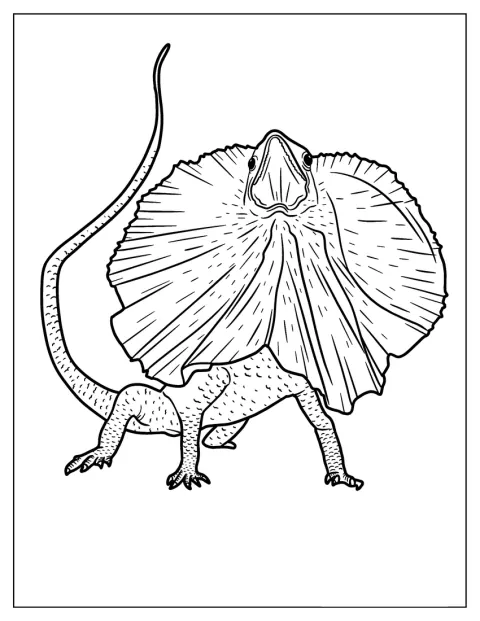
Choose from Lizard coloring pages with geckos, iguanas, chameleons, and more. Every page is free, needs no account, and opens as a PDF ready to print. Pick a simple outline for a young child or a more detailed reptile scene for someone who enjoys coloring scales, leaves, rocks, and natural settings.
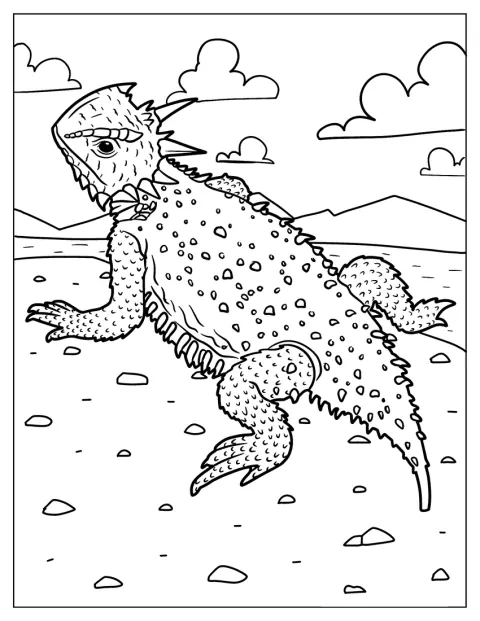
Texas horned lizard in Desert Coloring Sheet
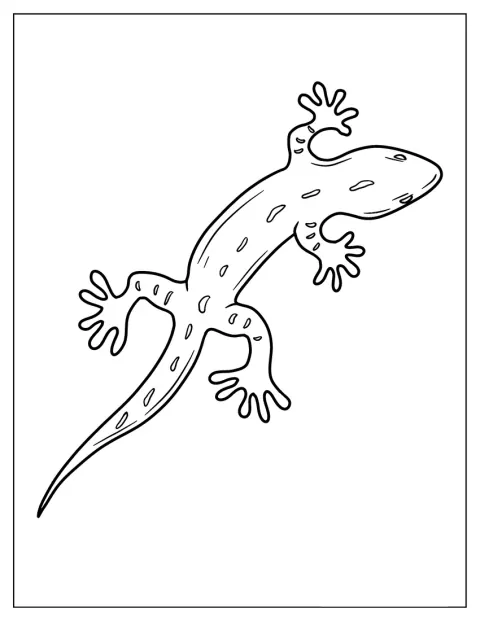
Lizard Coloring Page For Preschoolers
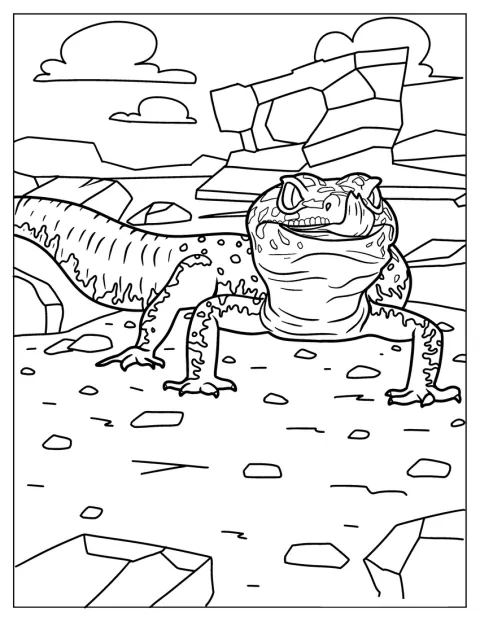
Leopard Gecko Lizard On Rocks Coloring Sheet
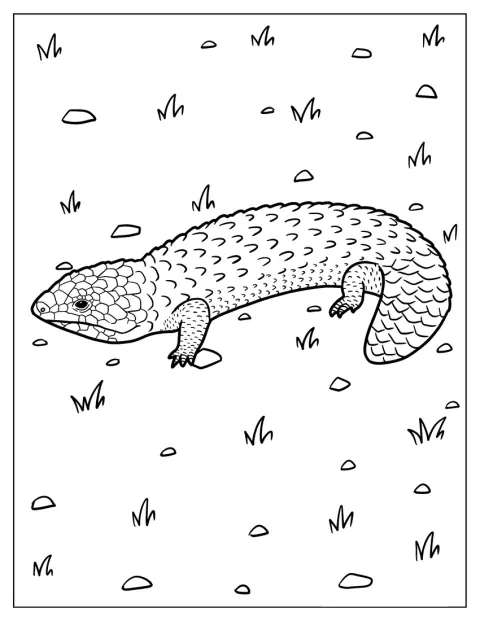
Shingleback Lizard Coloring Page
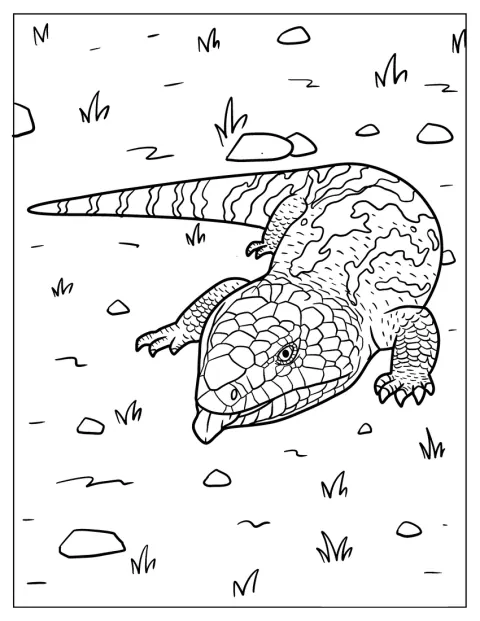
Scaly Blue Tongued Skink On Ground Coloring Page
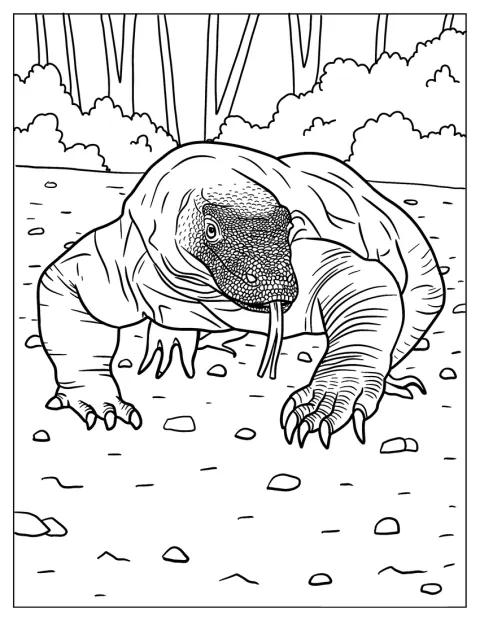
Komodo Dragon Walking Coloring Sheet
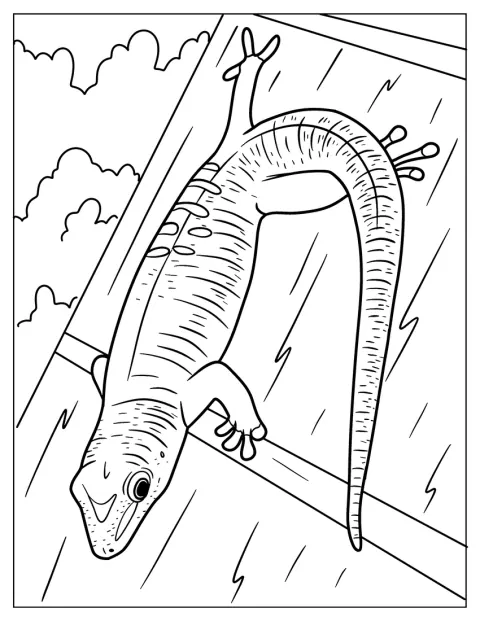
Gecko Lizard On Wood Coloring Page
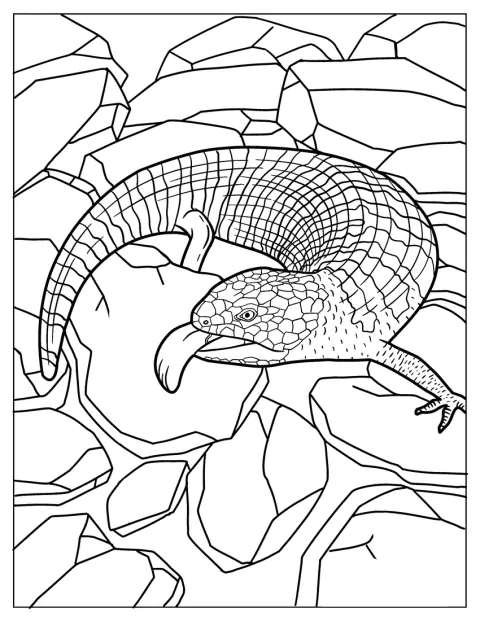
Blue-Tongued Skink Lizard Hissing Coloring Sheet
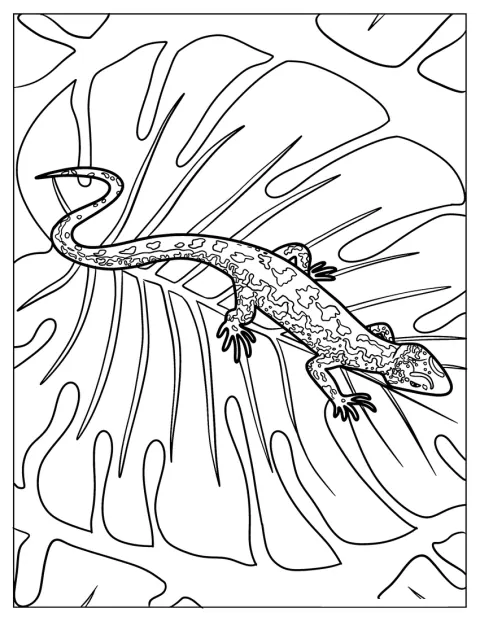
Sand Lizard On Leaf
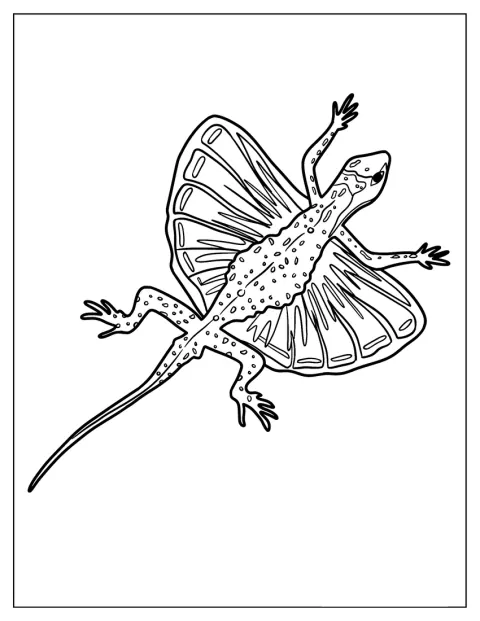
Draco Flyzard Lizard Coloring Page
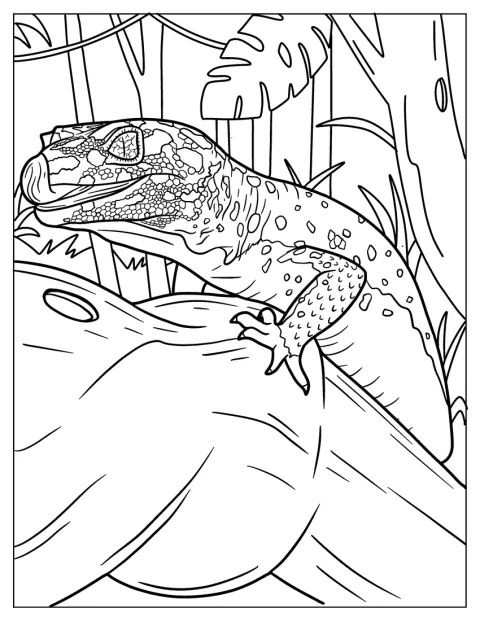
Close Up Of Leopard Gecko
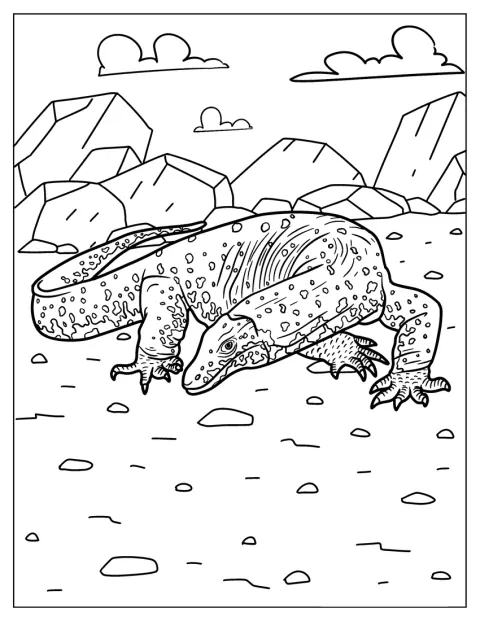
Realistic Asian Water Monitor Lizard
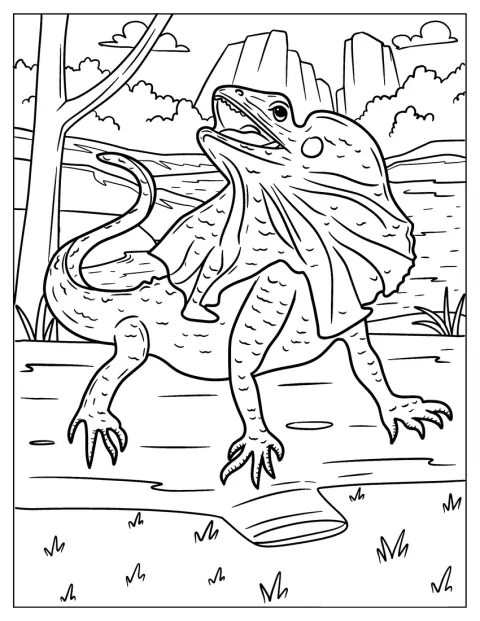
Lizard Looking Up From Ground Coloring Sheet
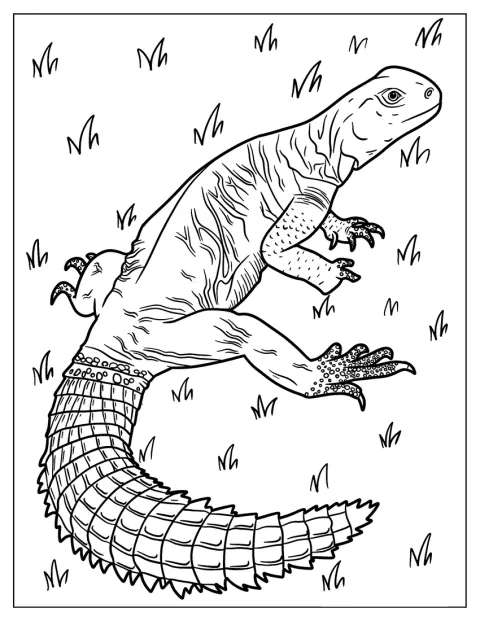
Large Egyptian Uromastyx On Field Coloring Sheet
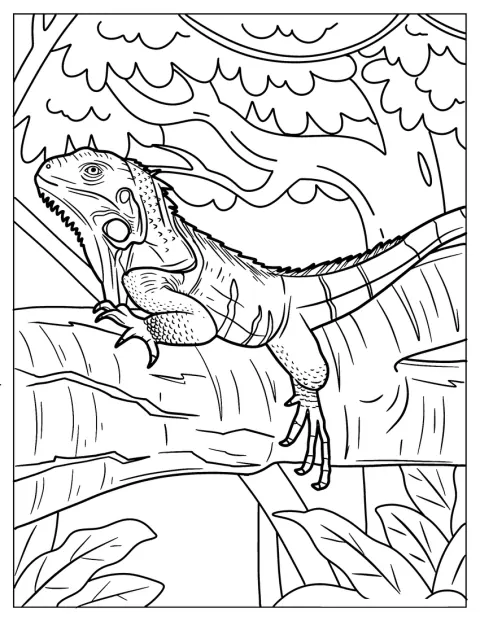
Iguana With Head Up On Tree Branch
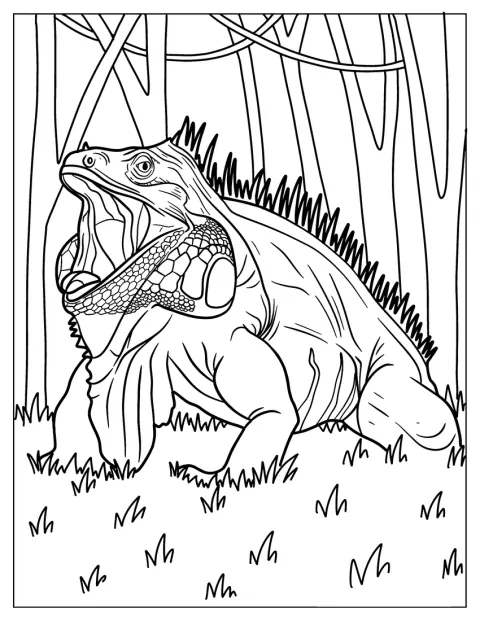
Green Iguana With Mouth Open Coloring Sheet
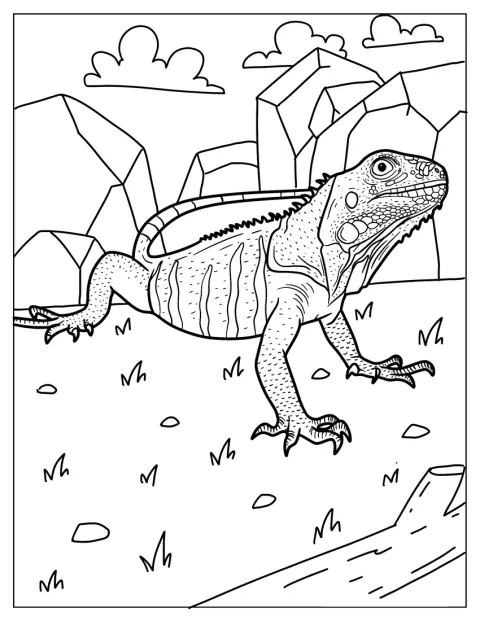
Green Iguana On Grass
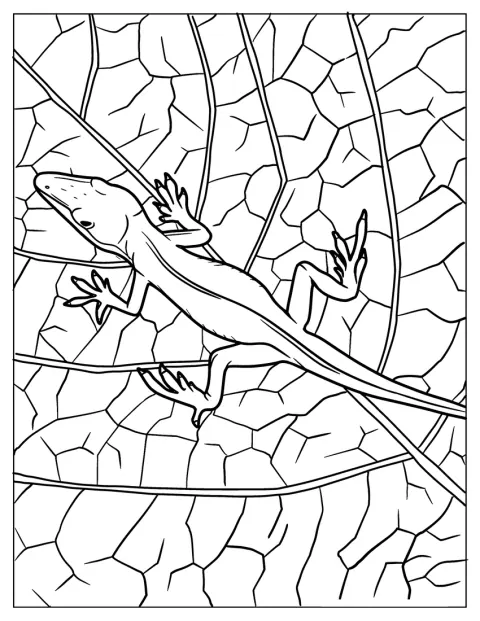
Green Anole Lizard Camouflaging With Leaf Coloring Page
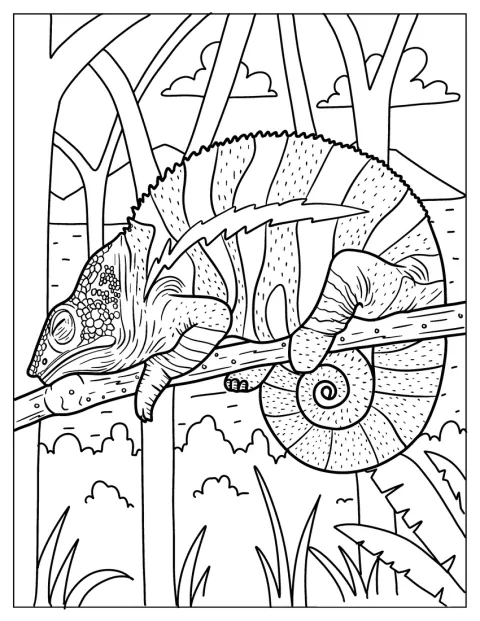
Chameleon With Curled Tail Sleeping
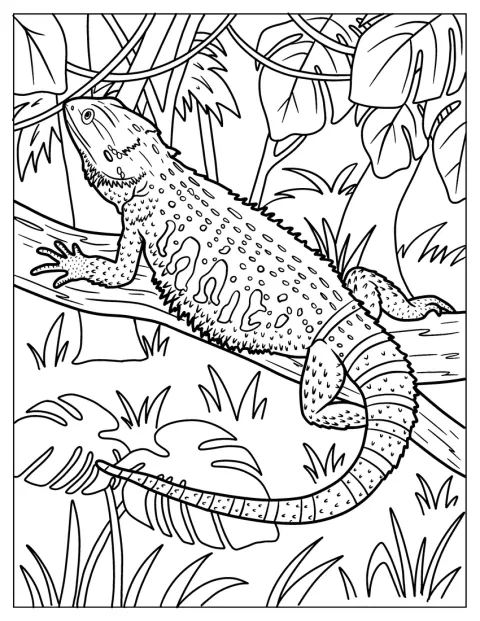
Bearded Dragon Lizard in the Jungle Coloring Sheet
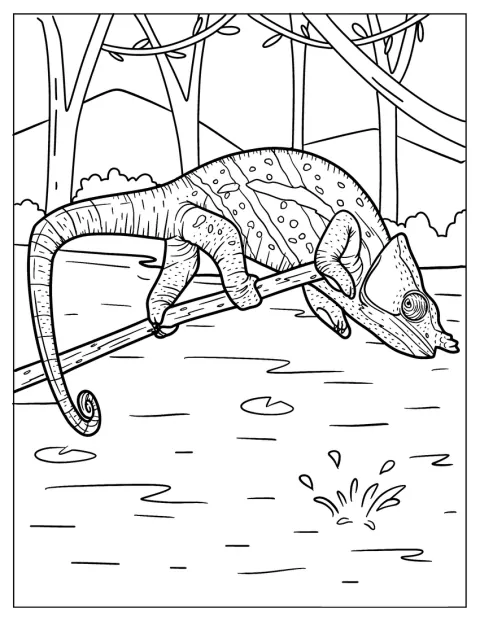
Chameleon Lizard On Edge Of Stick Coloring Sheet
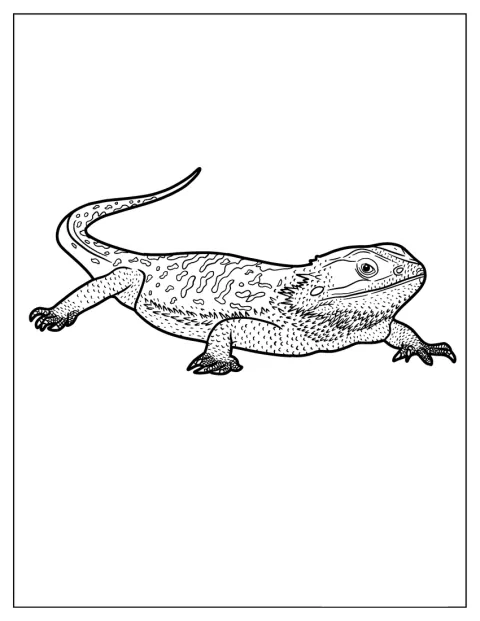
Central Bearded Dragon Lizard
No picture found
The pictures in this collection are temporarily unavailable.
See the other collectionsFree Printable Lizard Coloring Pages
These drawings show lizards in a range of poses and surroundings, from a small gecko among rocks to an iguana on a tree branch. Some have broad, open shapes that are quick to color; others have scales, plants, and ground details to work through. For more animal pages, browse the Animal coloring pages.
What Makes Lizards Different
Lizards are reptiles with scales, and many have four legs and long tails. The drawings show how varied they can look: a leopard gecko has a spotted body, a chameleon has a curled tail, and an iguana has a pronounced back and a strong, raised posture. Comparing their shapes gives kids details to notice before they start coloring.
A few scenes show distinctive features in action. The blue-tongued skink has its tongue out, while the Texas horned lizard has small pointed projections around its head. A Komodo dragon and an Asian water monitor are larger, long-bodied lizards; their outlines give older colorists plenty of room to study the shape of the body, legs, and tail.
Choose a Lizard by Age and Skill
For a 3-year-old, a single lizard with a large body and few background details is easier to manage than a scene filled with foliage. Around age 7, kids may enjoy choosing colors for the animal and its setting, then adding patterns or a simple story about where it lives. Adults who want a longer coloring session can pick drawings with fine scales and layered scenery.
Easy Lizard Coloring Pages for Kids
The preschool lizard, Shingleback lizard, and Central Bearded Dragon have clear, friendly outlines suited to short coloring sessions. The easy dragon lizard is another fun choice for kids who like a slightly fanciful look. Broad areas work well with crayons, and a child can add spots or stripes without needing to fill in tiny details.
Detailed Lizard Coloring Pages for Adults
For more intricate coloring, try the close-up leopard gecko, the sleeping chameleon with its curled tail, or the green anole blending in beside a leaf. The bearded dragon in jungle foliage, the sand lizard on a leaf, and the Egyptian uromastyx in an open field bring plants and ground textures into the scene. An iguana on a branch or the Komodo dragon walking also gives you a long outline to shade, with plenty of room to vary the scales.
Make a Lizard Habitat Story
Choose one lizard and invent a small scene around it. The chameleon might be resting on a branch, while the green anole blends into a leafy spot and the Texas horned lizard crosses a sandy patch. Color the ground, plants, and animal separately, then tell a short story about what the lizard sees or where it is headed. A second person can choose a different habitat and compare the two scenes.
Ideas for Coloring Lizard Scales
Use a reference photo if you want colors that resemble a real species, or make a bright pattern of your own. Green can suit the iguana among grass or branches, while brown, tan, and sandy shades work well for a lizard on rocks or dry ground. Spots and bands help distinguish a gecko or skink from a plain-colored body, and a light color on the belly can make the outline stand out.
Print Lizard Coloring Pages as PDF Files
Select “Open the PDF” to view a drawing, or choose “Print” to send it straight to your printer; both options work from a phone. Use fit-to-page if the whole design does not sit comfortably within the paper margins. Colored pencils are handy for small scales, while slightly thicker paper can help if you plan to use markers.