
Coco coloring pages
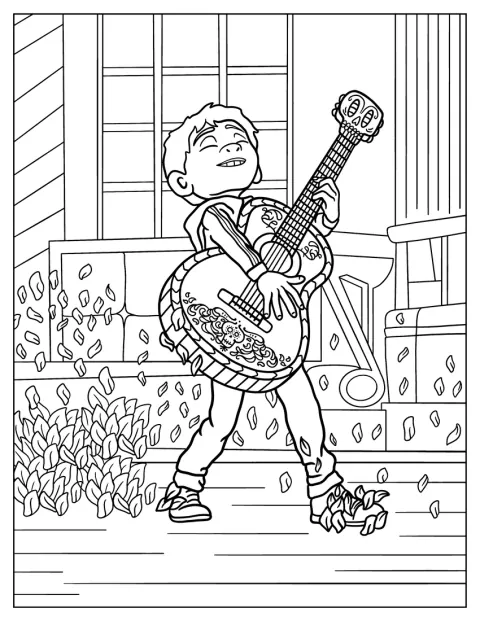
This Coco collection brings together character portraits, guitar scenes, and moments with Miguel, Héctor, and their family. Every page is free, and you don’t need an account. Open a drawing as a PDF, ready to print, and choose a simpler pose or a richly detailed scene to suit your coloring time.
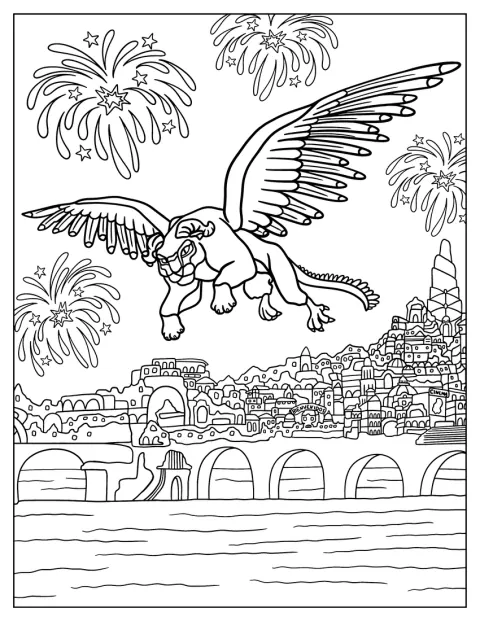
Pepito From Coco In Land Of The Dead
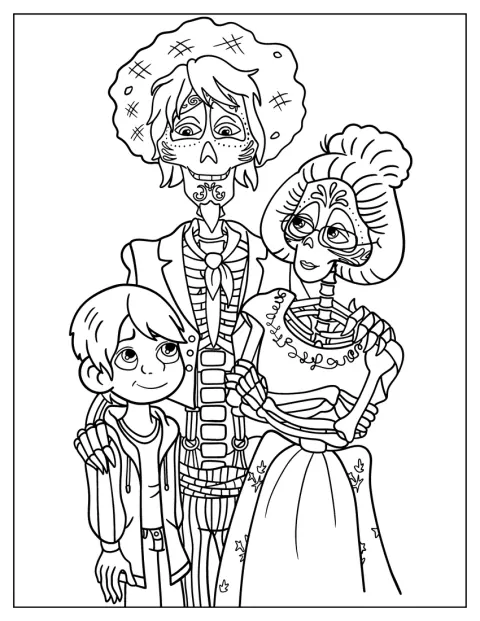
Miguel, Hector, And Imelda
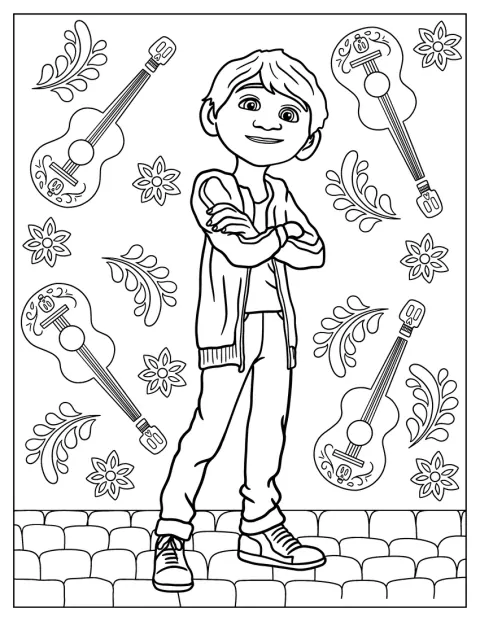
Miguel Rivera Smiling Coloring Sheet
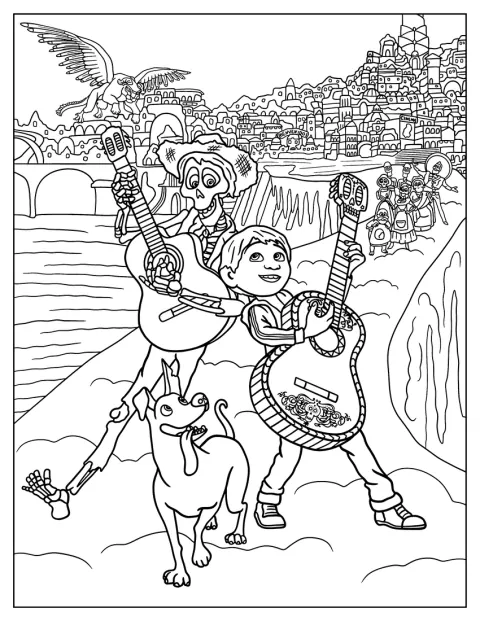
Coco Hector And Miguel Playing Guitar Coloring Sheet
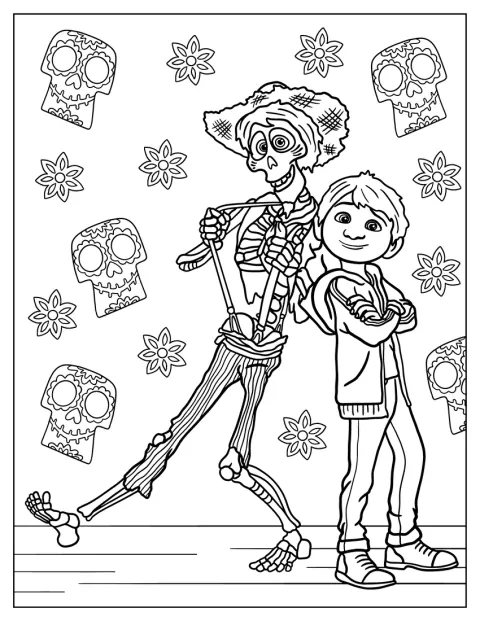
Miguel Back To Back With Hector Coloring Sheet
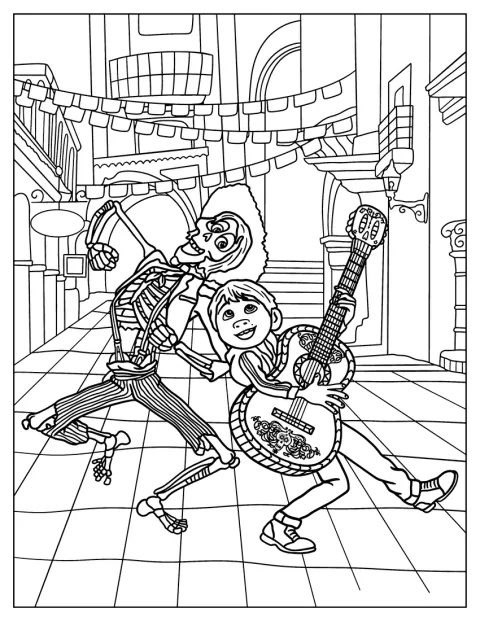
Miguel And Hector Dancing And Playing Guitar
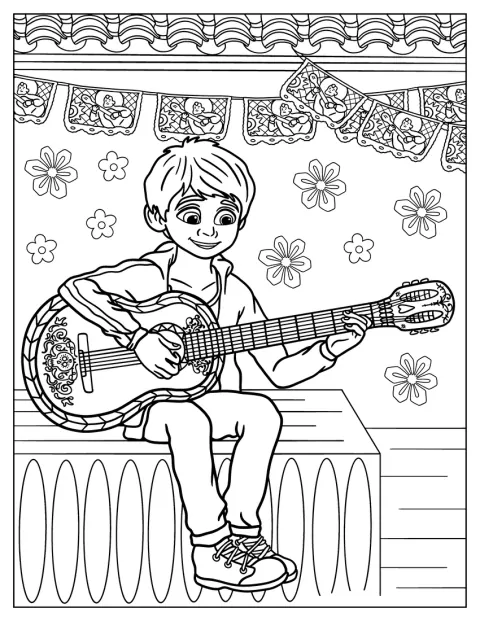
Miguel Playing Guitar On Stage Coloring Sheet
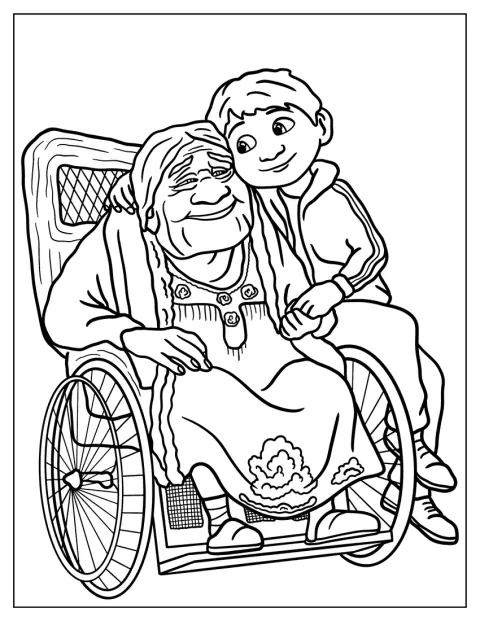
Miguel Embracing Mama Coco
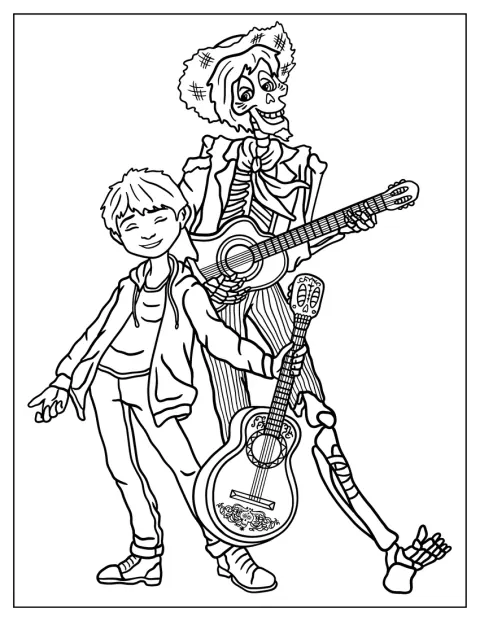
Hector And Miguel Coloring Page
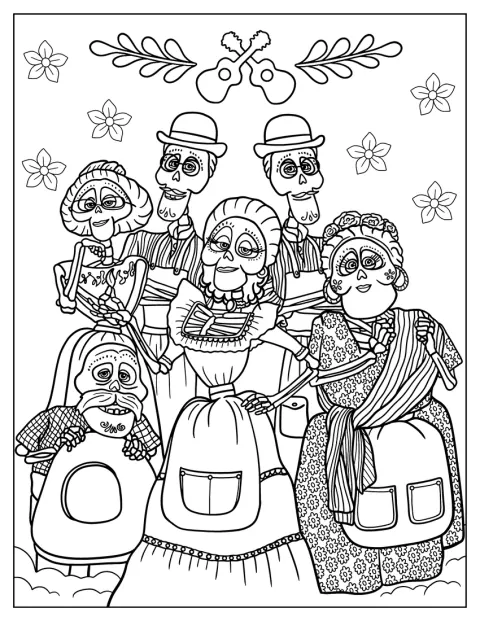
Detailed Skeleton Family From Coco Coloring Page
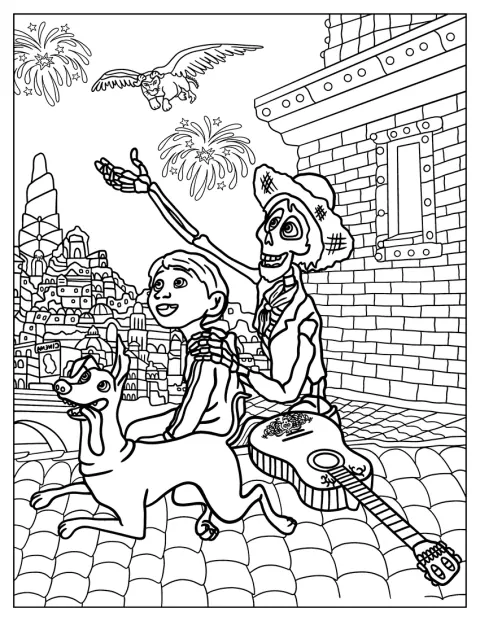
Detailed Miguel, Hector, Dante, And Pepito Of Coco
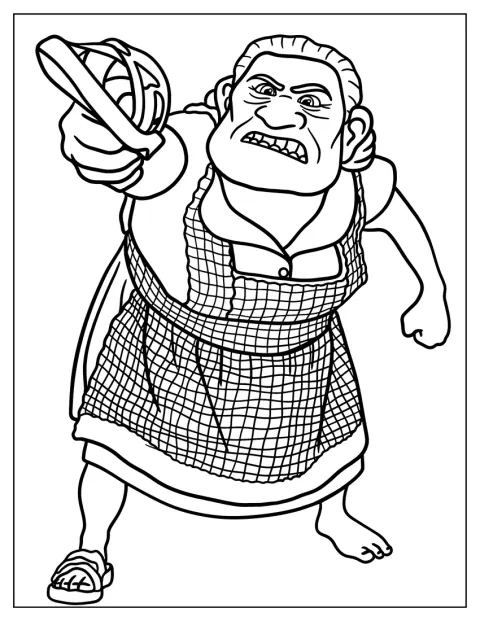
Angry Abuelita Holding Slipper Coloring Page
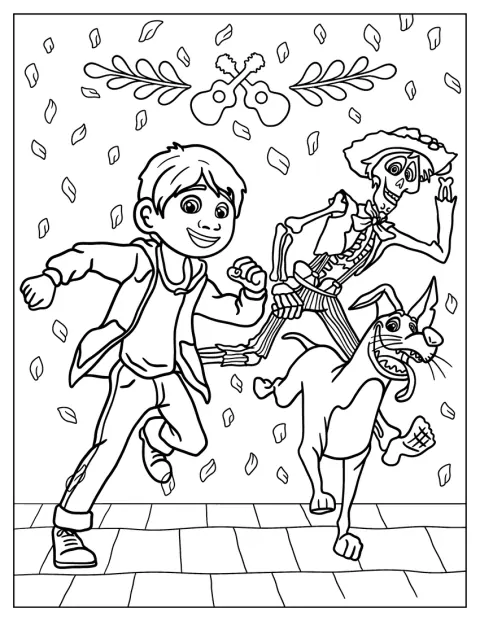
Miguel, Hector, And Dante Running Coloring Page For Kids
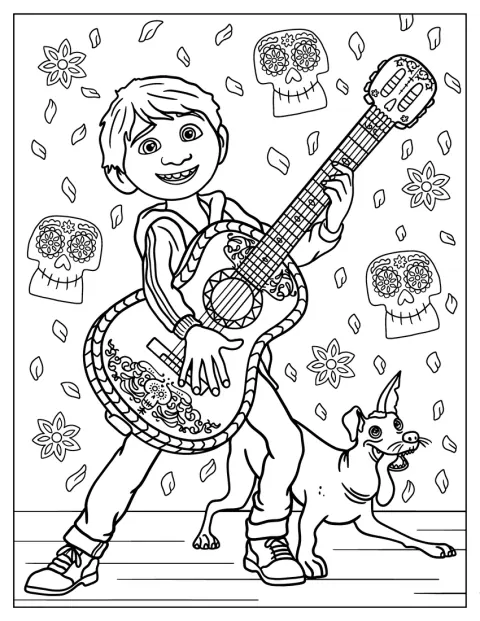
Miguel Rivera Making Music In Coco Coloring Sheet
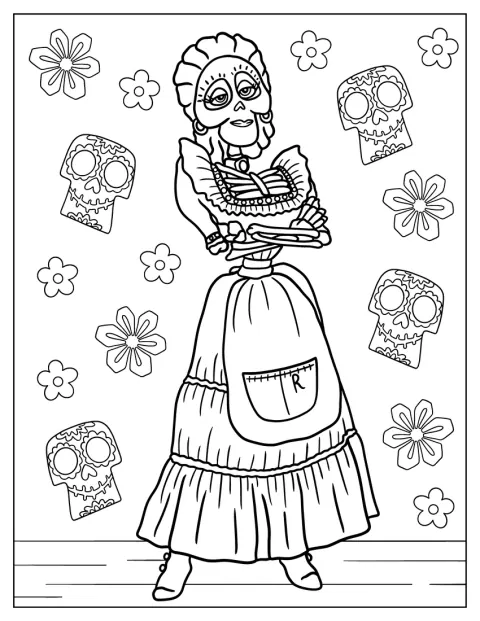
Mamá Imelda Rivera
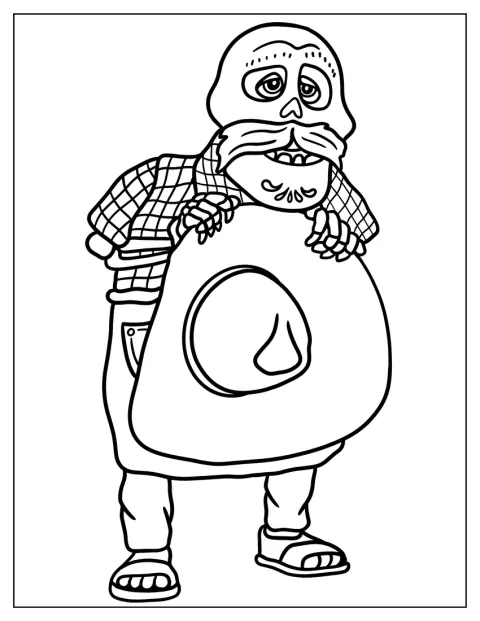
Julio Rivera Holding Sombrero In Coco Coloring Sheet
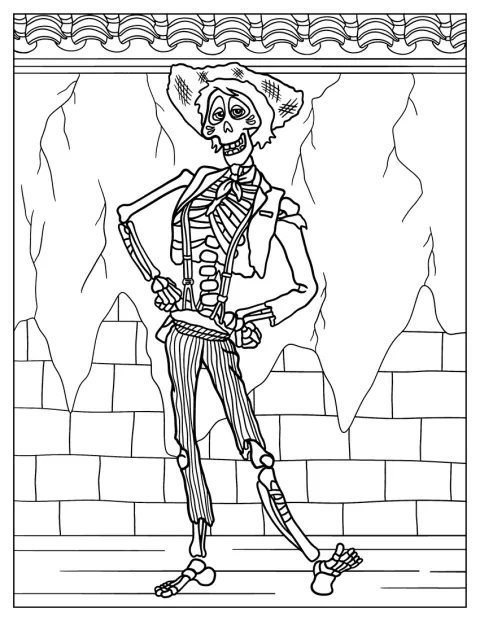
Hector Rivera With Hands On Hips Coloring Page
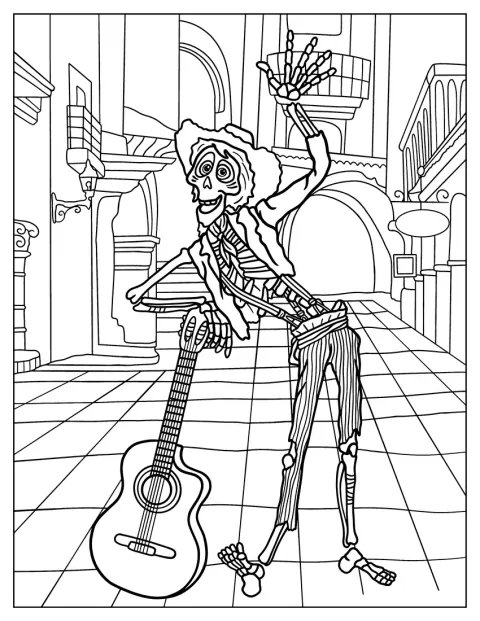
Hector Leaning On Guitar Coco Coloring Page
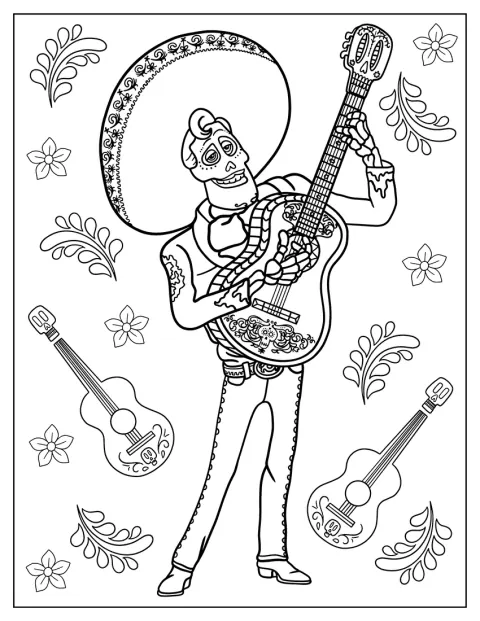
Ernesto De La Cruz Playing Guitar In Coco
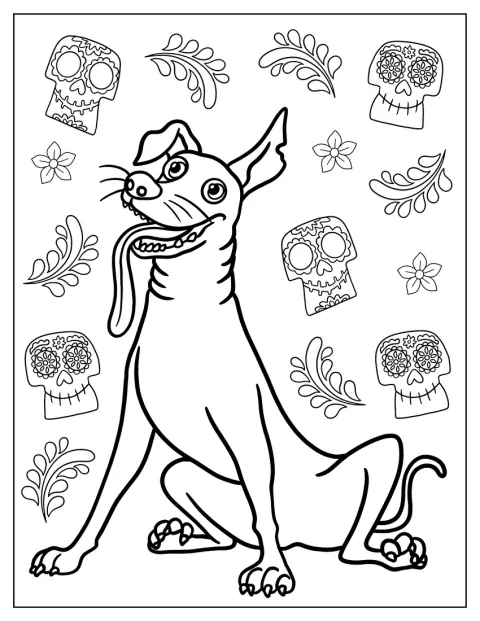
Dante With Tongue Out Coloring Sheet For Kids
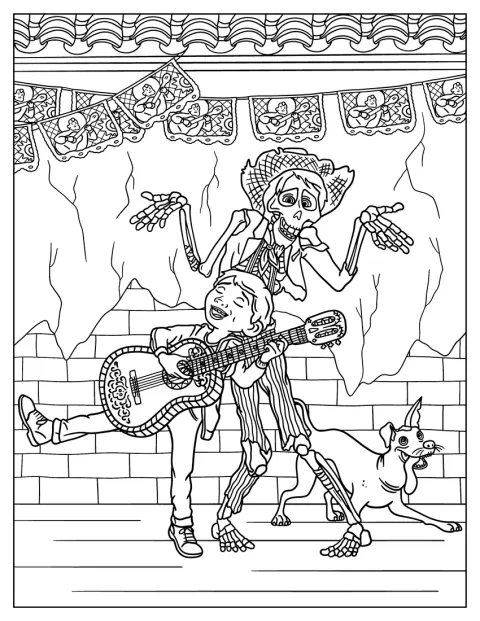
Coco Miguel And Hector Making Music
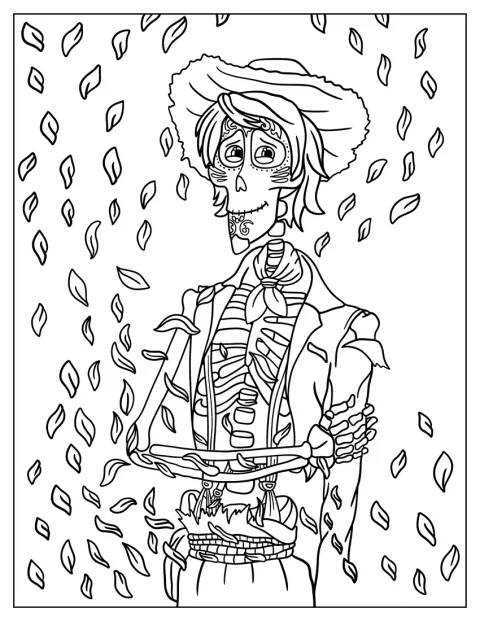
Coco Hector Rivera Coloring Sheet
No picture found
The pictures in this collection are temporarily unavailable.
See the other collectionsFree Printable Coco Coloring Pages
Browse 23 drawings, from Miguel and Héctor portraits to scenes of the family playing music together. Single figures give you a clear place to begin, while crowded scenes offer more faces, clothing, and small details to work through.
Make a Coco Music-and-Story Activity
Choose a music scene and turn it into a short story as you color. Miguel singing or playing guitar can start the tale, while Héctor leaning on a guitar or dancing beside Miguel gives you a moment to describe next. Add a beginning and ending of your own.
For a character-spotting game, look for Dante’s tongue, Pepito’s striking shape, and the family members gathered around Miguel. Ask a child who they think is making music, who is watching, and what might happen after the scene. The detailed group scenes give you plenty to point out together.
Choose by Age and Coloring Level
For a three-year-old, start with one figure, such as smiling Miguel or Dante, and help with the smaller areas. A seven-year-old may enjoy adding colors to Miguel onstage or Ernesto de la Cruz with his guitar, then choosing colors for the clothes and instrument. Adults who like careful work can take on the denser family scenes.
Detailed Coco Coloring Pages for Adults
These more involved drawings bring several figures together, so you can give each face, outfit, and background element its own attention. Miguel embracing Mamá Coco offers a tender moment to color, while Miguel, Héctor, and Imelda bring three distinct expressions and outfits into one scene.
For a lively composition, try Miguel and Héctor dancing and playing guitar, or the pair making music with Coco. The detailed skeleton family gives you repeated skull shapes, clothes, and accessories to vary; Abuelita holding her slipper adds a strong pose and a small object to pick out. Pepito and Dante also appear beside the main group in some scenes, making it easy to build contrast between their shapes.
Pick Colors for the Music and Characters
Use a warm palette for guitar scenes: wood browns, deep red, orange, and gold can make the instruments and stage feel lively. Give Miguel’s clothes a different color from Héctor’s so the two musicians stay easy to follow when they appear together.
For the skeleton family, try bright clothing against pale bone shades, then repeat one accent color in several outfits to tie the scene together. Dante and Pepito can have contrasting colors that help their silhouettes stand out. These are suggestions rather than rules, so children can choose a completely different palette.
Print Coco Coloring Pages in PDF
Select “Open the PDF” to open a page for printing, or tap “Print” to print it directly, including from a phone. Use fit-to-page settings to keep the whole drawing visible. Thicker paper can help with markers, while colored pencils make it easier to work carefully around faces, guitar strings, and small details.