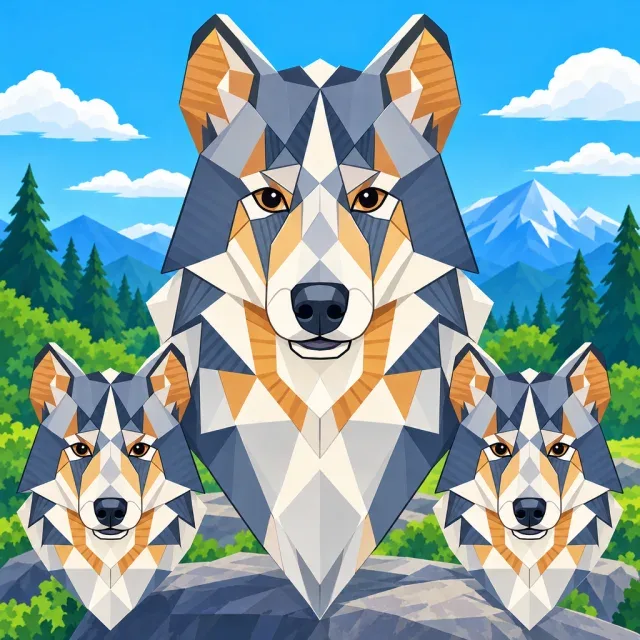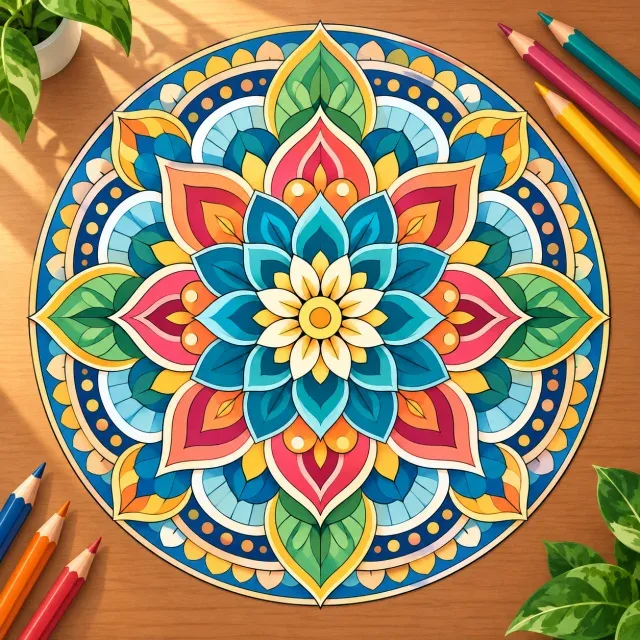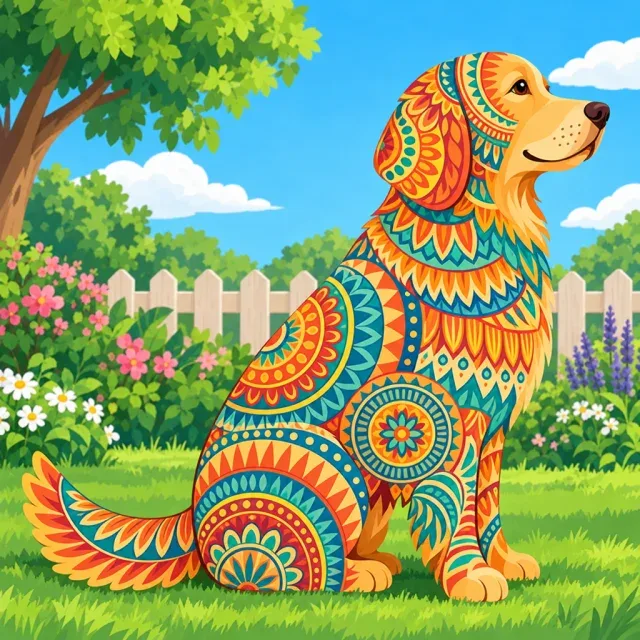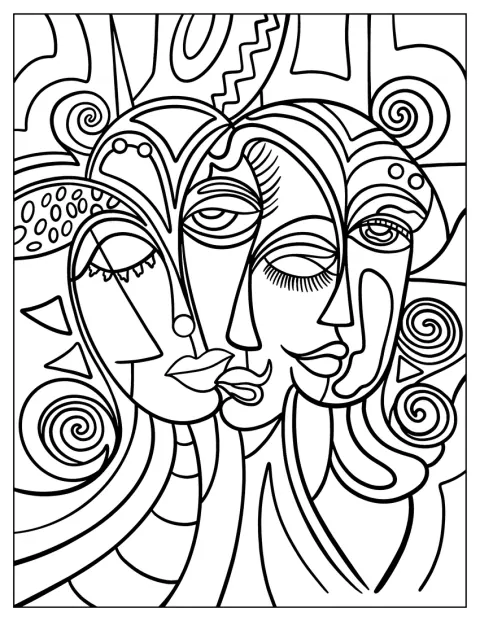
Abstract coloring pages
This gallery of abstract coloring pages brings together loose lines, geometric patterns, floral designs, portraits, and imaginative scenes. Every page is free, with no account needed, and opens as a PDF ready to print. Choose from simple outlines for a quick start or intricate designs when you want more detail.
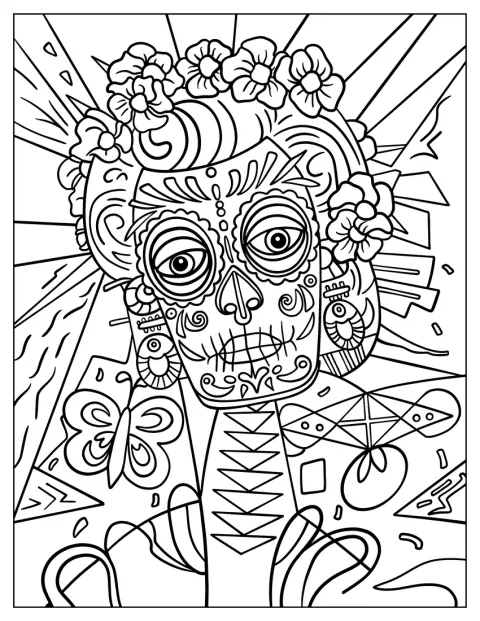
Sugar Skull With Flowers Abstract Coloring Page
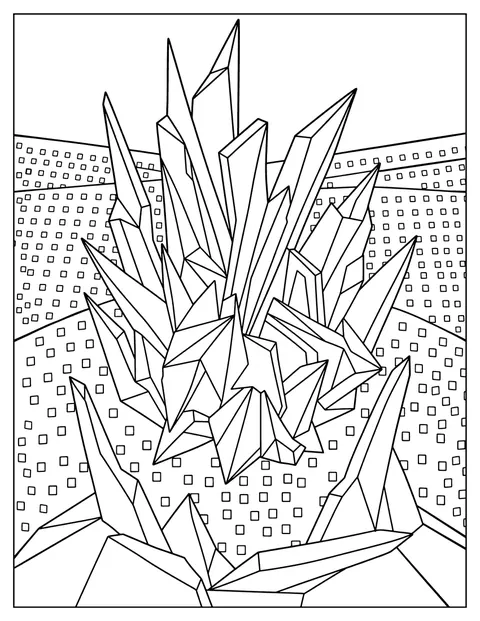
Abstract Crystal Formation Coloring Page
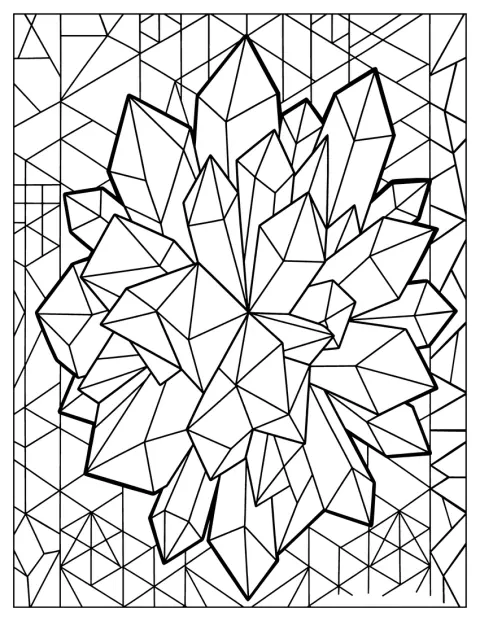
Abstract Crystal Cluster Coloring Page
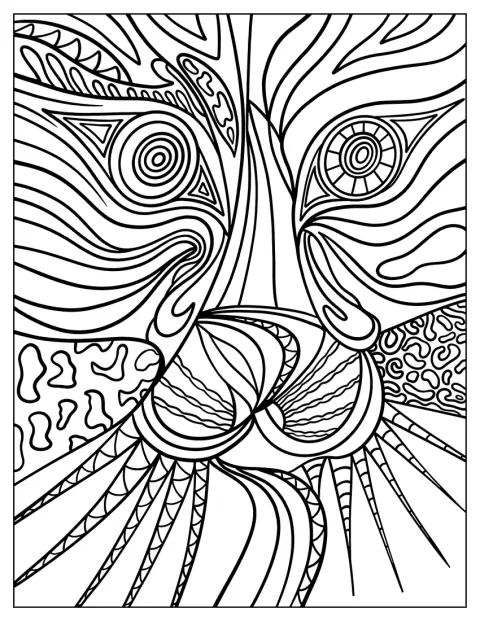
Lion Face Abstract Coloring Sheet
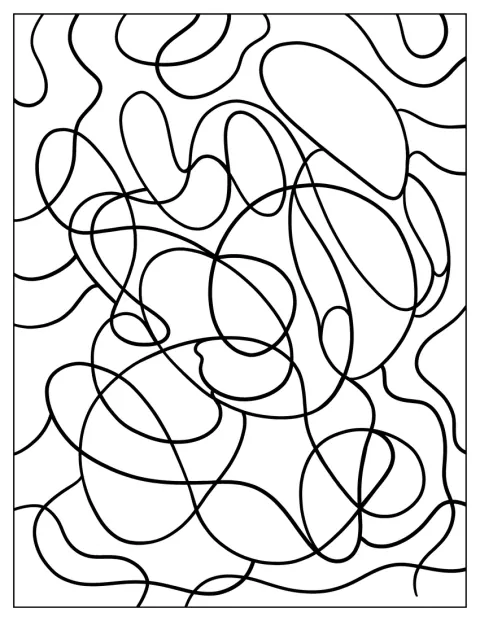
Line Art Abstract Coloring Page
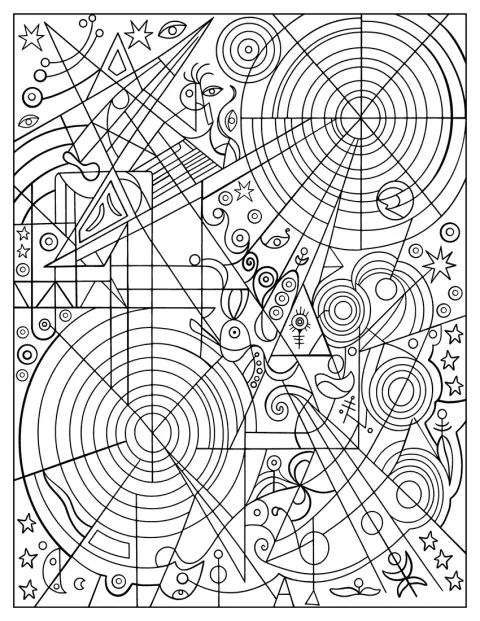
Geometric Circles and Swirls Abstract Coloring Page
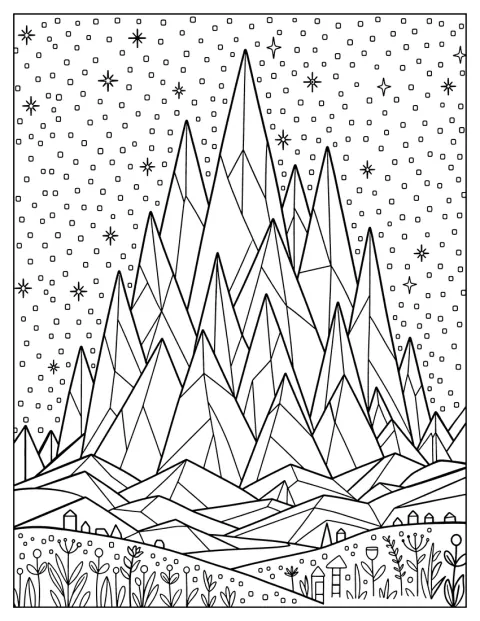
Abstract Geometric Mountain Landscape Coloring Sheet
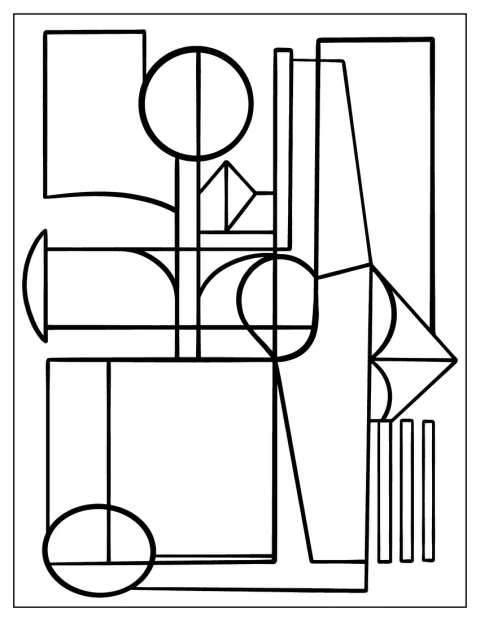
Simple Lines And Shapes Abstract Coloring Sheet For Kids
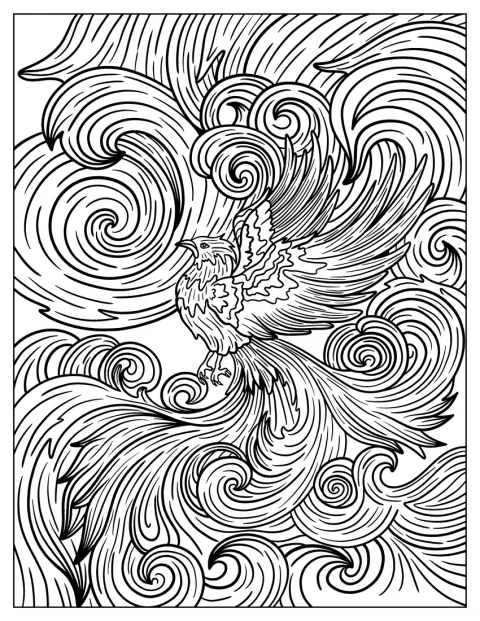
Majestic Phoenix Abstract Coloring Page
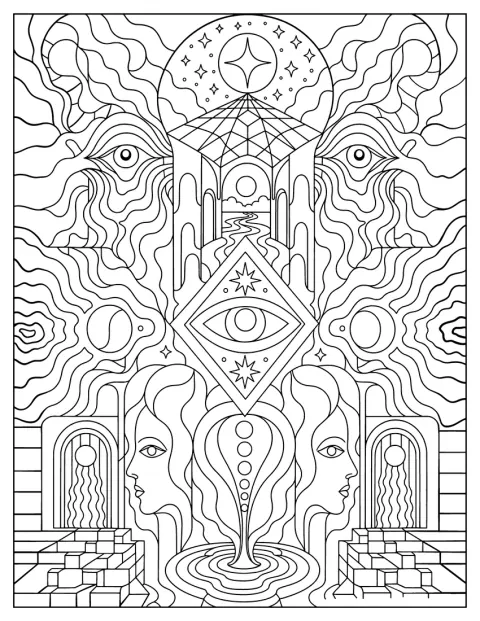
Mystical Faces and Geometric Shapes Abstract Coloring Page
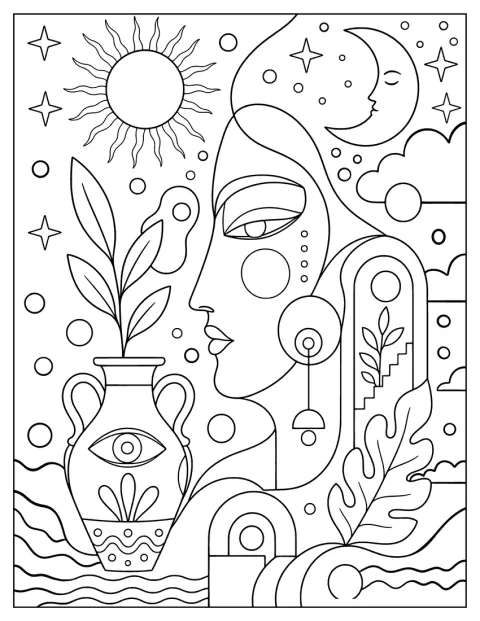
Abstract Woman with Sun, Moon, and Floral Vase Coloring Page
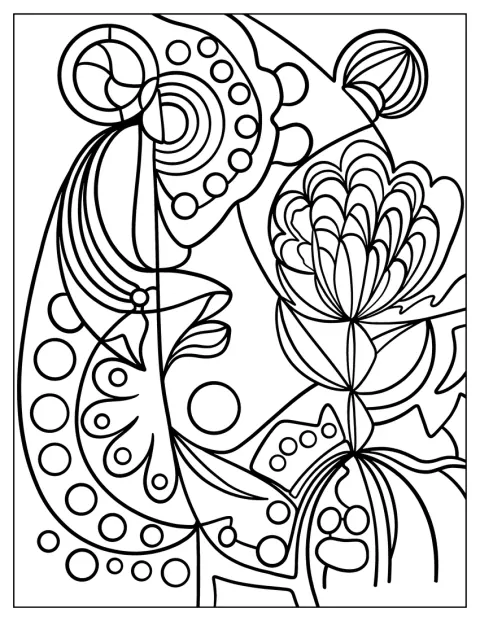
Flowers And Geometric Abstract Coloring Page
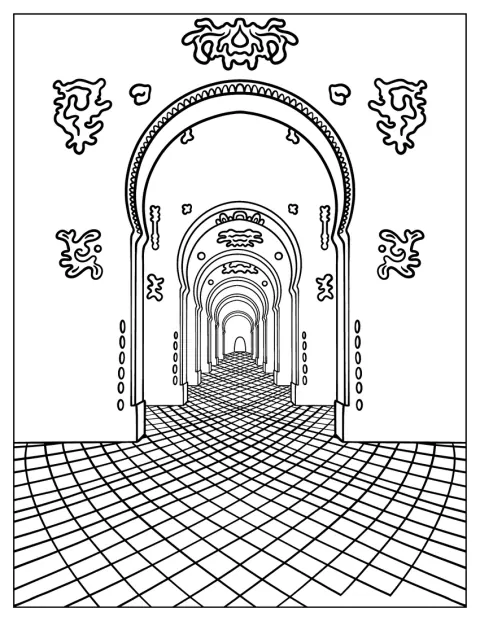
Expanding Doorway With Diagonal Floor Abstract
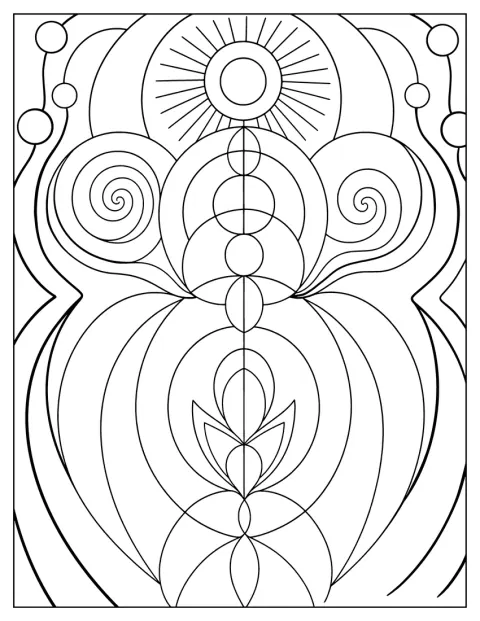
Abstract Sacred Geometry with Sun, Spirals, and Lotus Coloring Page
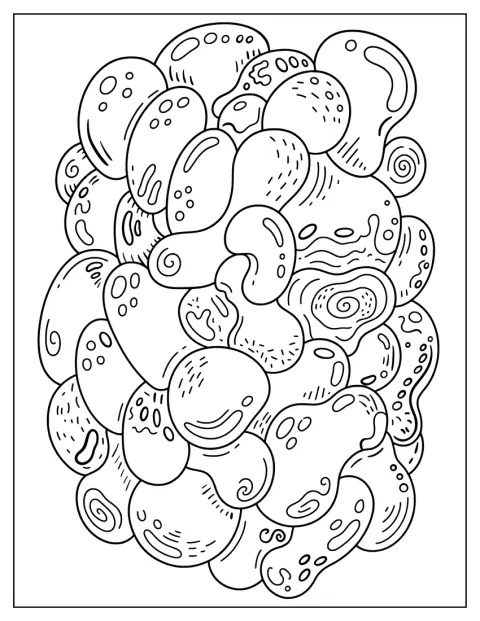
Abstract Organic Pebbles and Swirling Shapes
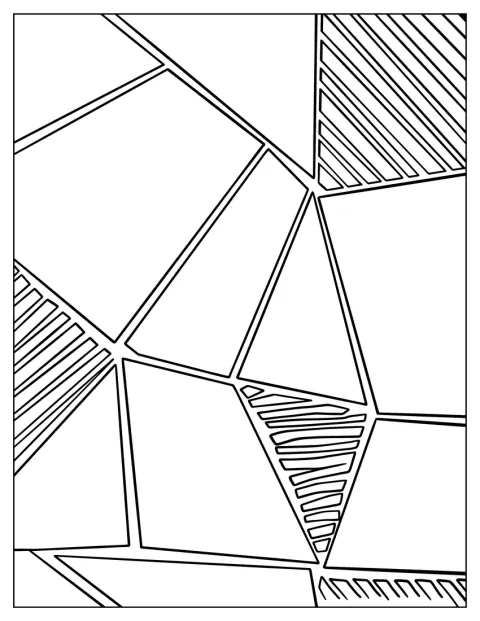
Geometric Abstract Art With Stripes
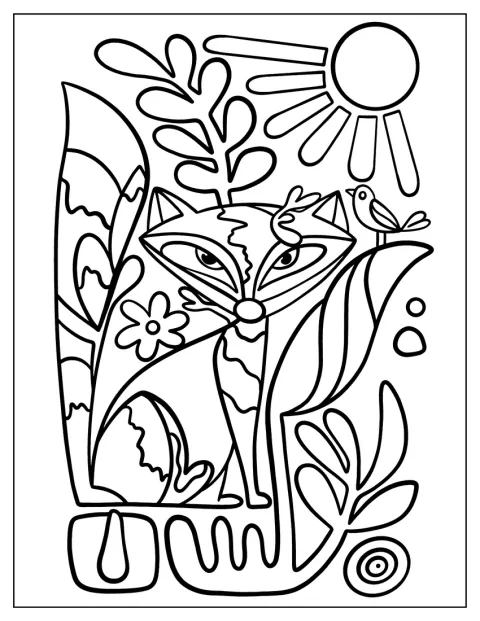
Fox In Nature Abstract Coloring Page For Kids
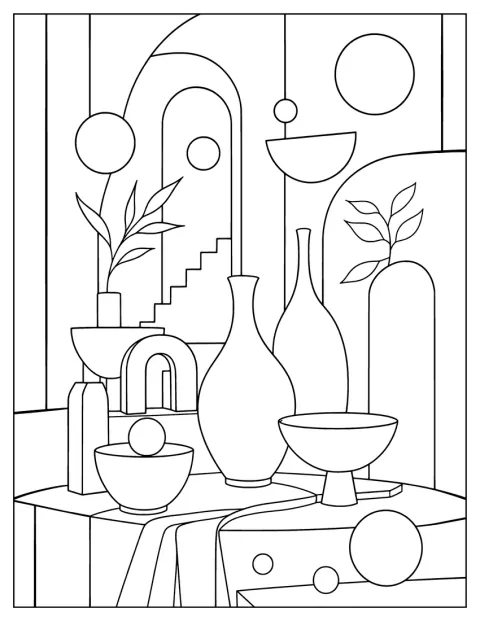
Abstract Modern Still Life with Vases, Plants, and Geometric Shapes Coloring Page
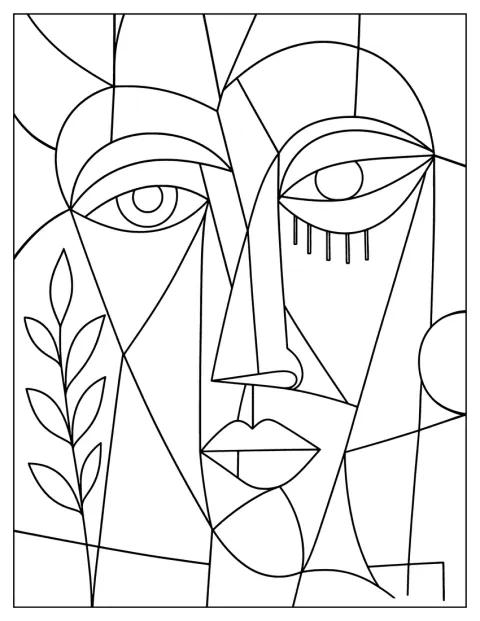
Abstract Geometric Woman’s Face with Leaves Coloring Sheet
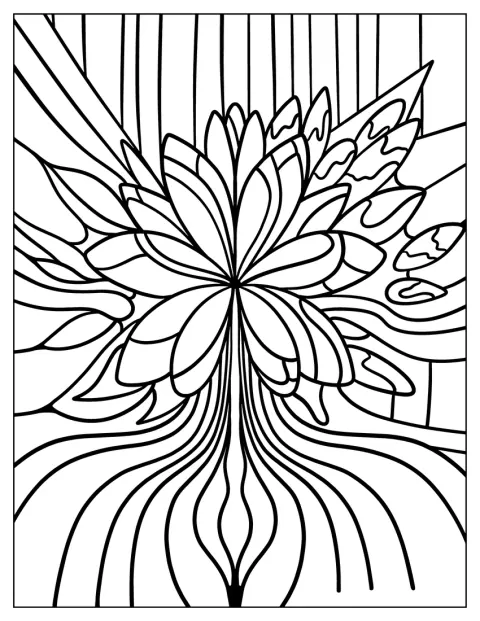
Beautiful Daisy Abstract Coloring Page
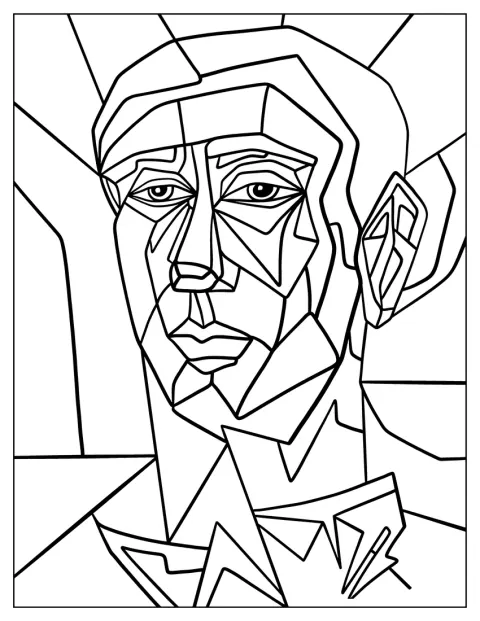
Abstract Portrait Coloring Page
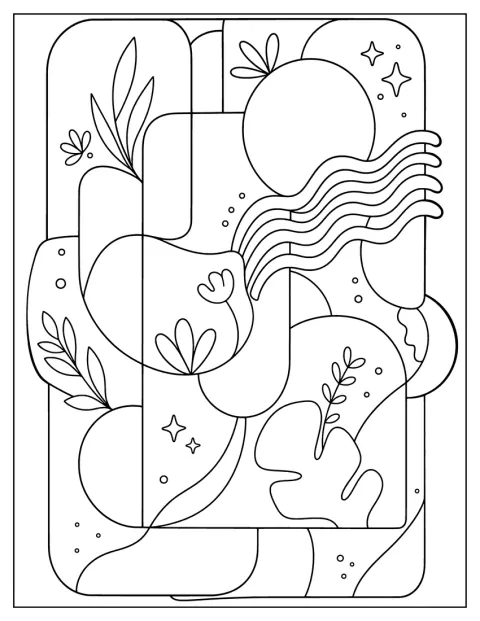
Abstract Geometric Shapes with Flowers and Waves Coloring Page
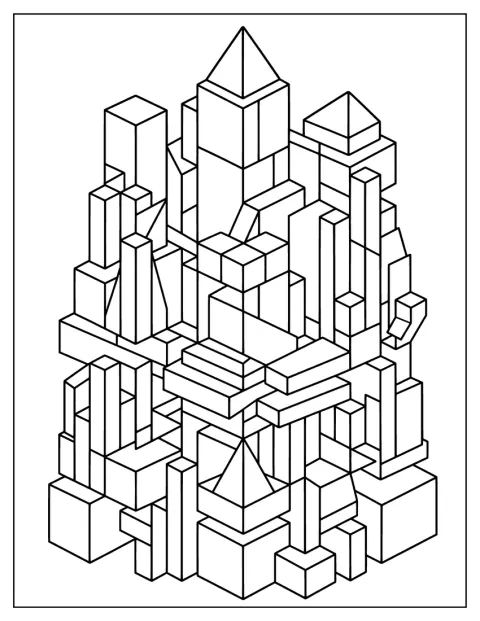
Abstract Geometric Cityscape Coloring Page for Kids
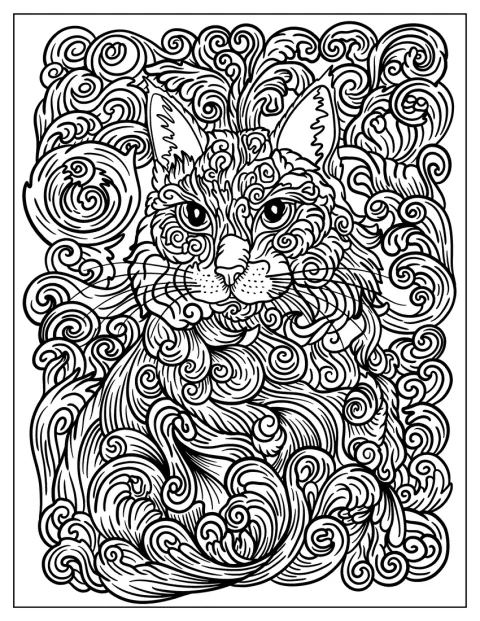
Detailed Furry Cat Abstract Coloring Page
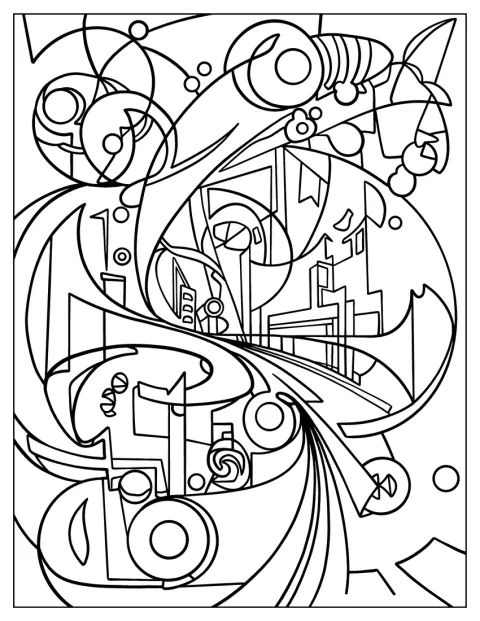
Complex Geometric Abstract
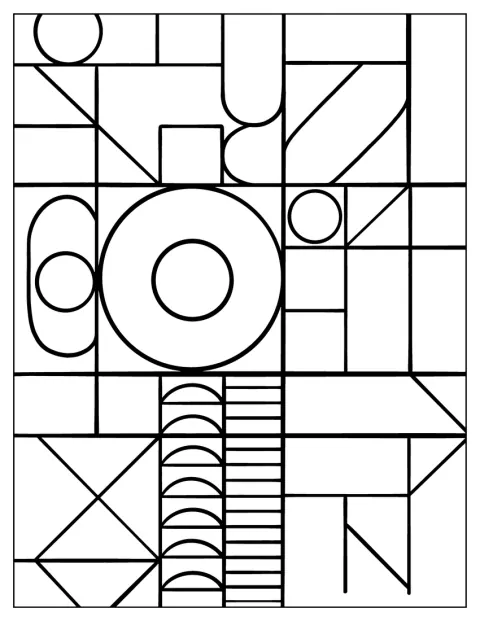
Easy Geometric Abstract Coloring Sheet For Kids
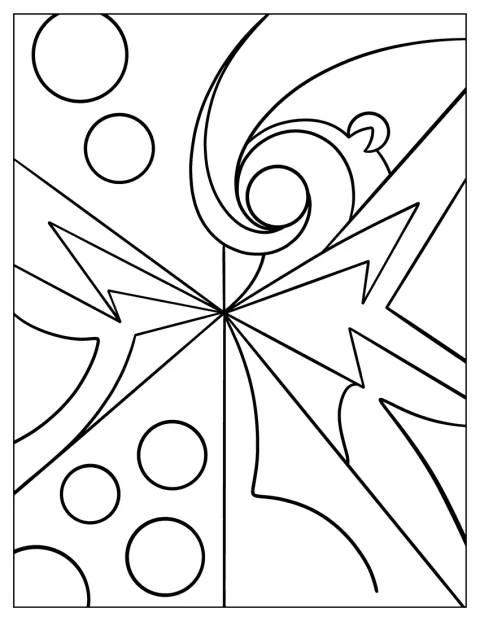
Diagonal Lines With Circles Abstract Art
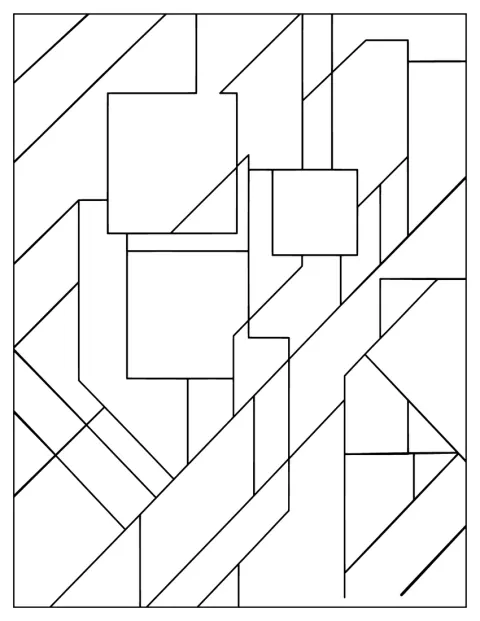
Abstract Geometric Blocks and Lines Coloring Page for Kids
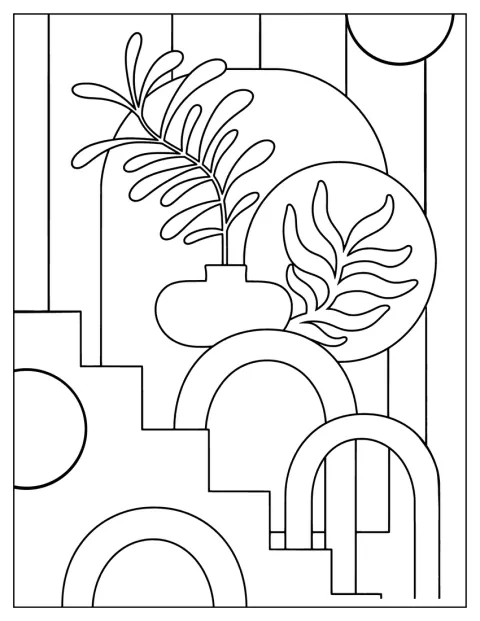
Abstract Geometric Arches with Tropical Leaves Coloring Sheet
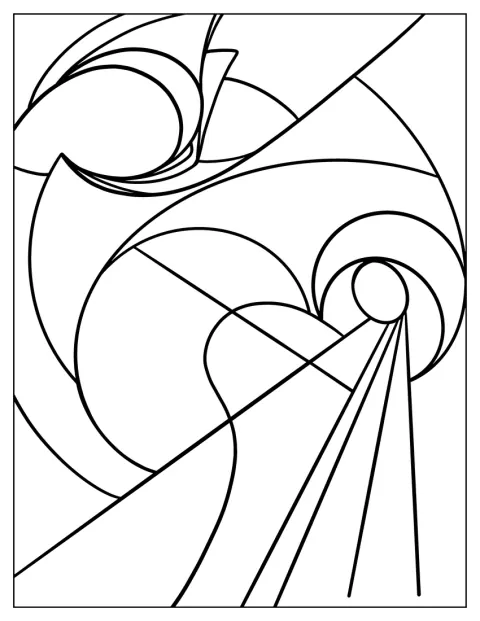
Simple Action Abstract Coloring Sheet
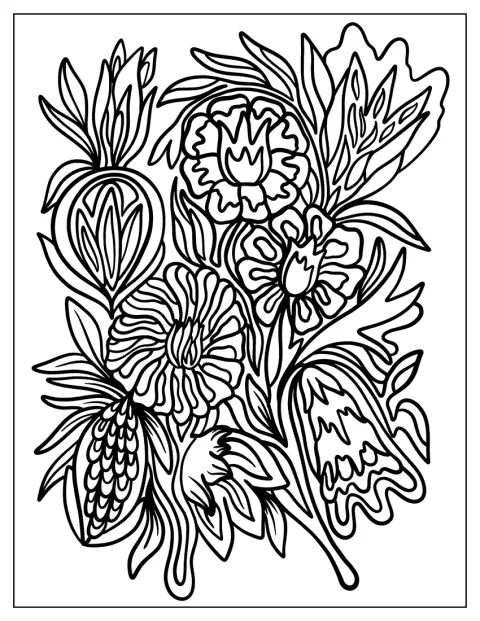
Floral Abstract Coloring Sheet
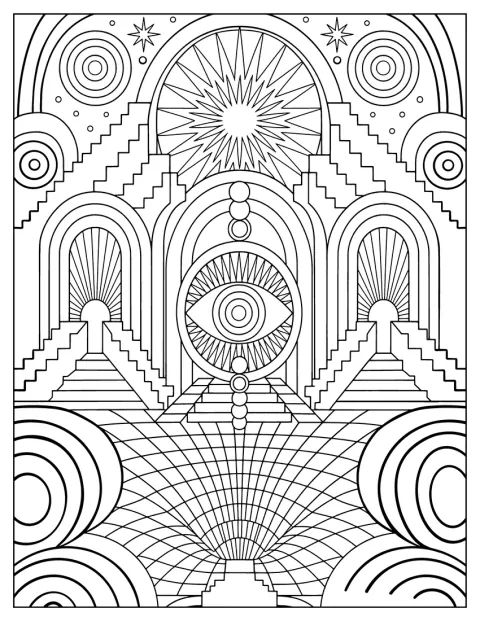
Abstract Geometric Arches and Circles Coloring Sheet
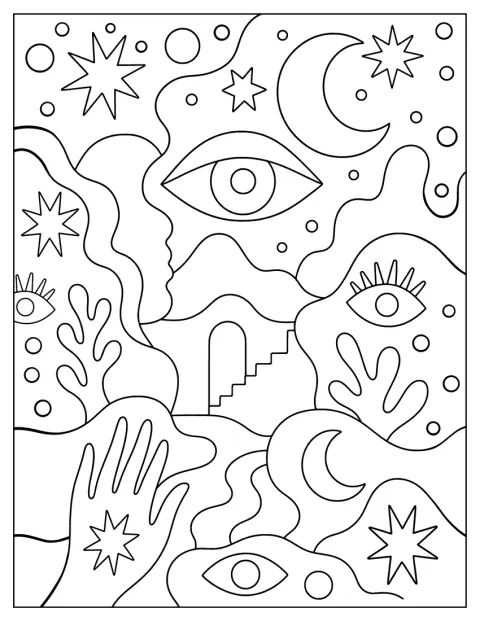
Abstract Eyes, Moons, Stars, and Organic Shapes Coloring Page for Kids
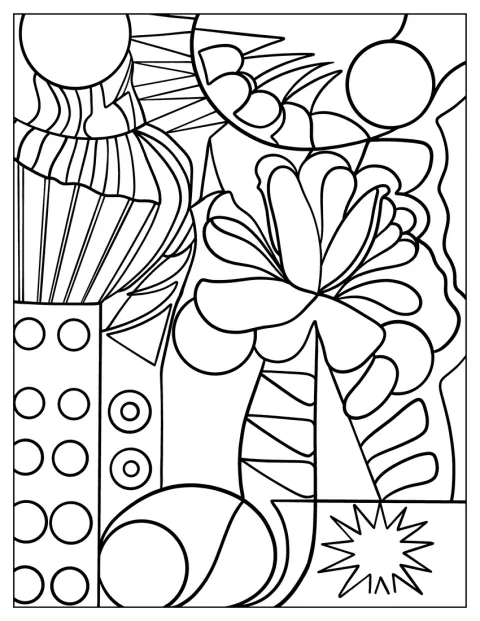
Circles, Stars, And Flowers Abstract
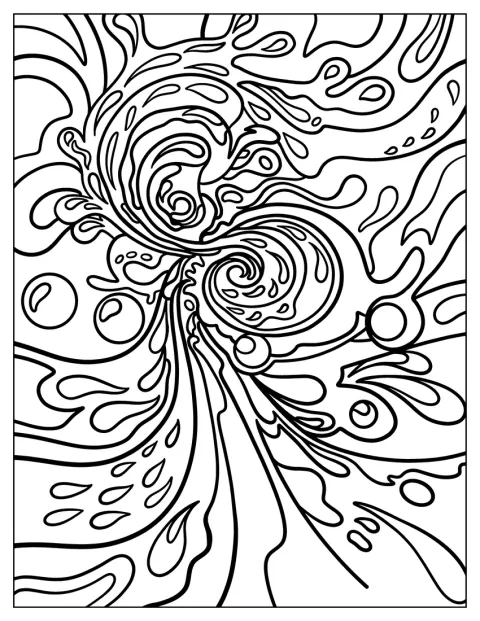
Bursts Of Water Abstract
No picture found
The pictures in this collection are temporarily unavailable.
See the other collectionsFree printable abstract coloring pages
Move between circles, arches, stripes, and organic shapes, or choose a drawing with a familiar subject at its center. A vase with plants makes a still life to arrange in color, while a geometric cityscape or mountain scene gives you a setting to build into a small story.
Make a story from the shapes
Try an abstract picture hunt before coloring: find every circle, spiral, star, or flower, then give each repeated shape its own color. For a group, let each person choose one detail to explain, such as where a doorway leads or what the faces might be thinking. The finished page can become a prompt for a short story or a shared guessing game.
You can also pick one motif, such as a wave or leaf, and trace its path across the whole design with your eyes. This gives younger children a simple way to focus, while older kids and adults can look for patterns that overlap or change size.
What makes art abstract
Abstract art emphasizes shapes, lines, colors, and composition rather than showing every subject as it looks in real life. Some of these drawings include recognizable things—a lion’s face, a fox among natural forms, or a vase of flowers—alongside geometric blocks and swirling marks. You can color them realistically or make your own visual interpretation.
Look for contrast as you work: a cluster of small shapes may stand out beside a large open area, and straight stripes feel different from curling lines. There is no single correct palette or hidden answer to find. Treating the picture as a pattern to explore can make it easier to choose what to color next.
Choose colors for contrast and rhythm
A limited palette helps a busy design feel connected. Try two or three main colors, then use a lighter or darker shade of one color to separate nearby forms. Blue and orange create a strong contrast; green, yellow, and soft blue can give flowers, leaves, and arches a gentler feel.
For crystal clusters, use gradual shifts from pale to deep tones to suggest facets. On line art, circles, or floral patterns, repeat one accent color in several places so the eye travels around the page. You can also use unexpected colors for a portrait, phoenix, or sugar skull to make the image feel more playful than realistic.
Choose by age and coloring level
The designs range from broad, simple outlines to compositions with many small sections. For a three-year-old, favor larger spaces and just a few shapes; a seven-year-old may enjoy more varied patterns and a choice of colors. Adults who like careful work can take their time with the dense lines and layered details.
Easy abstract coloring pages for kids
Easy geometric designs and simple lines and shapes leave room for broad strokes and quick color choices. The action-inspired drawing has a lively feel, while the faces among geometric forms give kids an easy starting point for inventing expressions and stories.
Detailed abstract coloring pages for adults
Detailed pages suit colored pencils and a slower pace. Daisy and floral designs offer petals and repeating forms to shade, while crystal formations have angular facets to distinguish. Three faces, a lion, and a furry cat bring intricate linework to portraits; the expanding doorway and diagonal floor create a striking play of space.
Print abstract coloring pages as a PDF
Open the PDF for the drawing you want, or use the “Print” button to print it directly, including from a phone. Choose fit to page if the image needs to sit neatly within the margins.
Colored pencils work well for small shapes and fine lines. If you plan to use markers, thicker paper can help limit bleed-through; test a small area first.