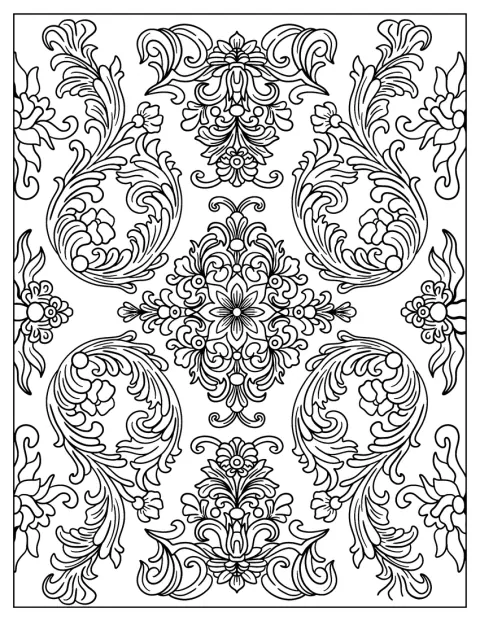
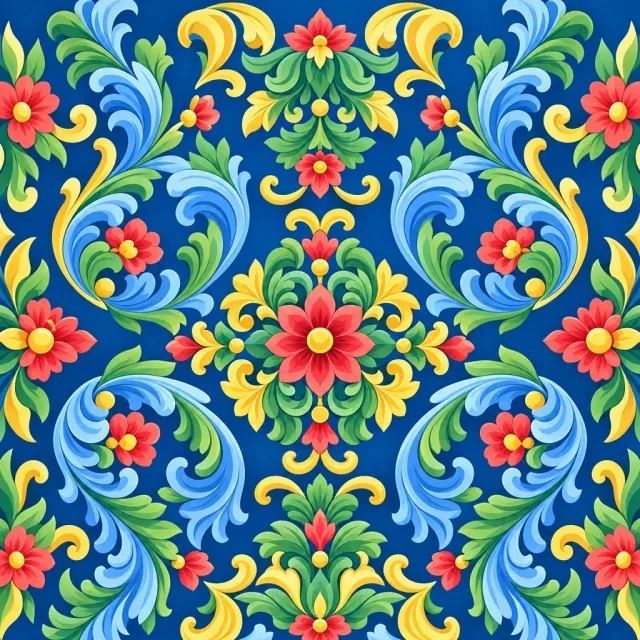
Pattern coloring pages
Browse Pattern coloring pages with repeating flowers, fruit, leaves, animals, and bold curves. Every page is free, and you don't need an account. The drawings open as PDFs ready to print, with one easy floral design alongside many intricate patterns for a longer, more detailed coloring session.
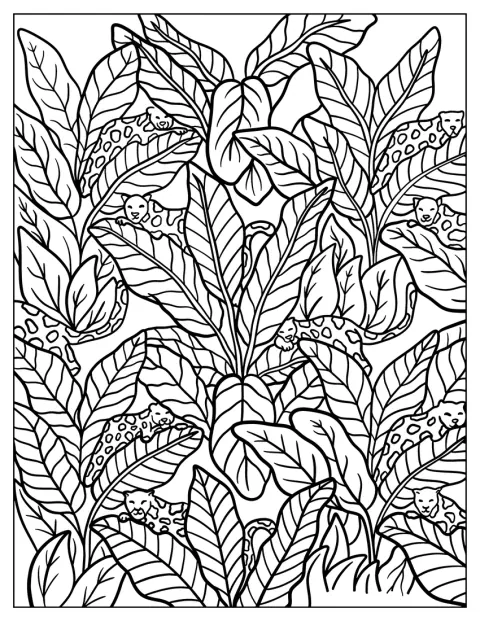
Tiny Tiger On Leaves Pattern Coloring Page
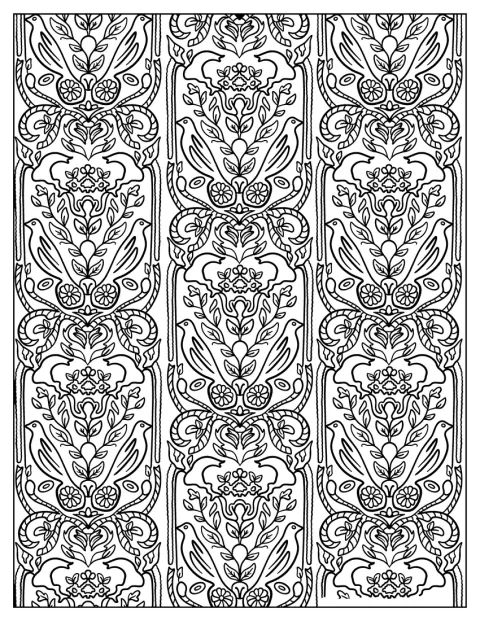
Majestic Nature With Birds Pattern
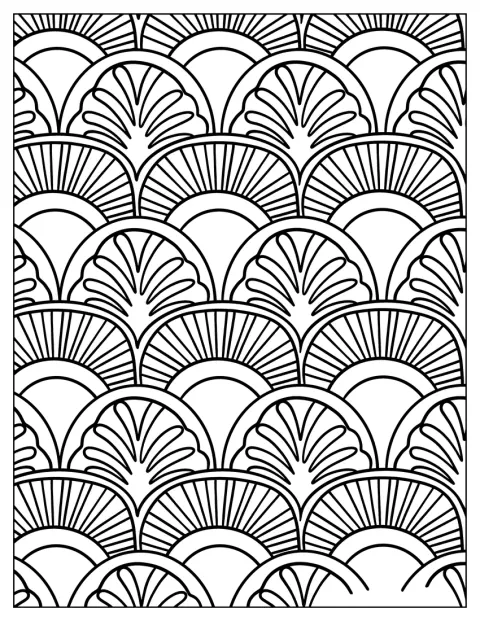
Looping Fruit Halves Pattern
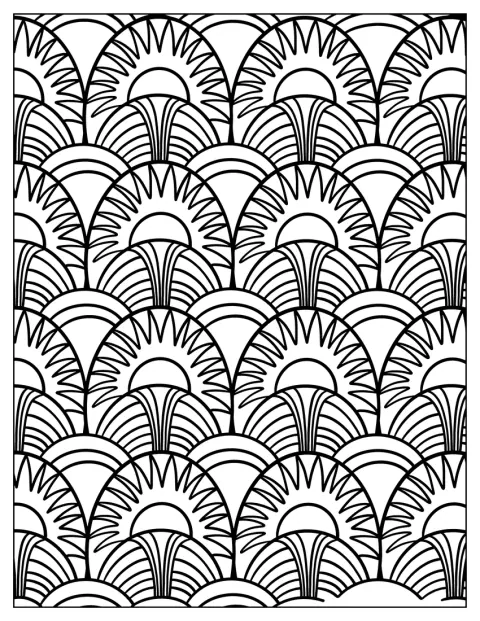
Palm Tree Pattern Coloring Sheet
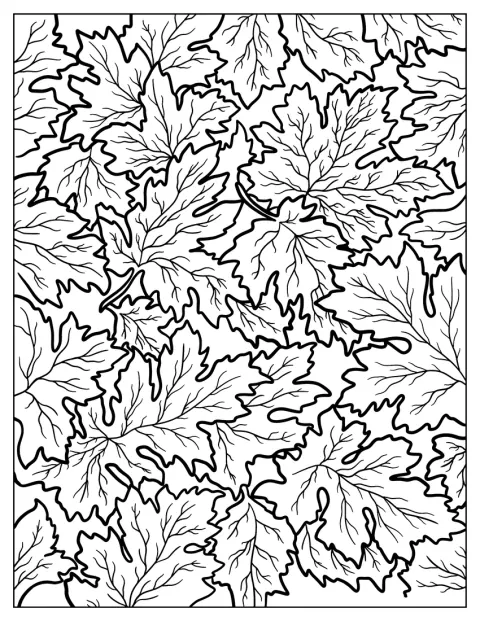
Maple Leaves Pattern Coloring Page
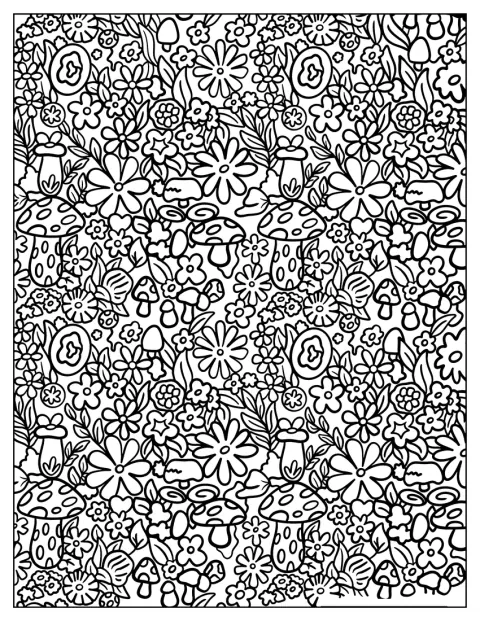
Flowers And Mushrooms Pattern
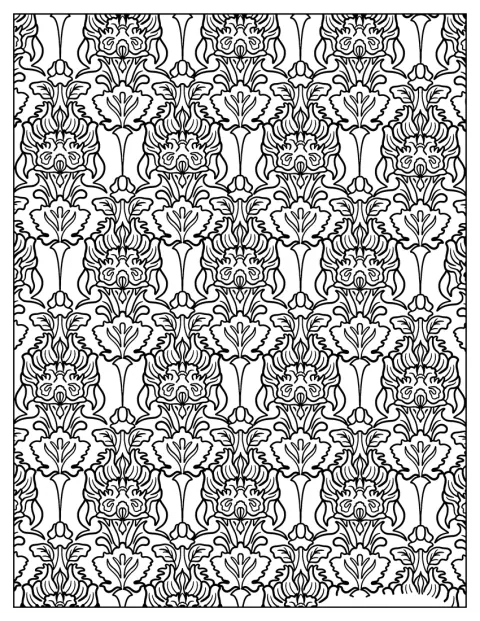
Flower And Flames Pattern Coloring Sheet
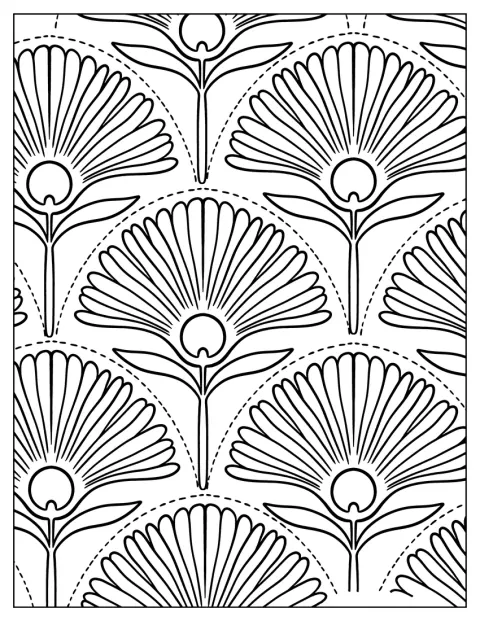
Fan Flower Pattern Coloring Sheet
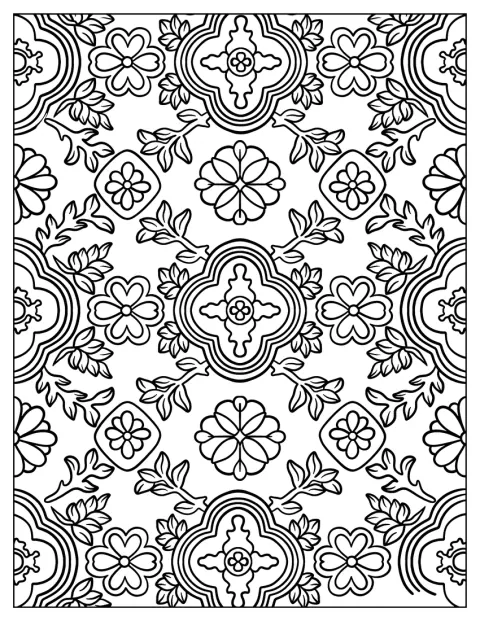
Elegant Floral Pattern
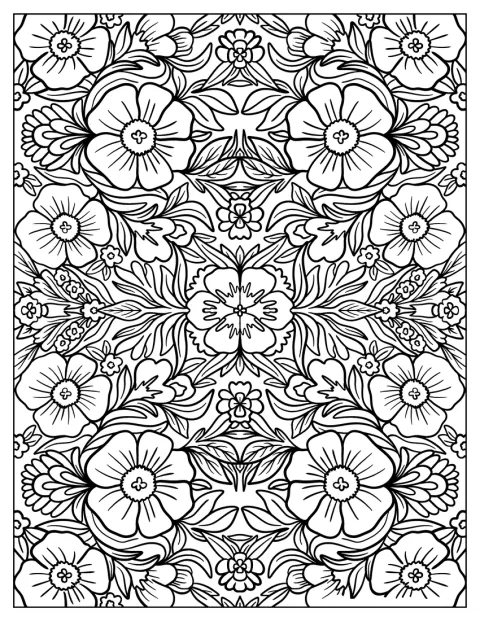
Intricate Hibiscus Pattern
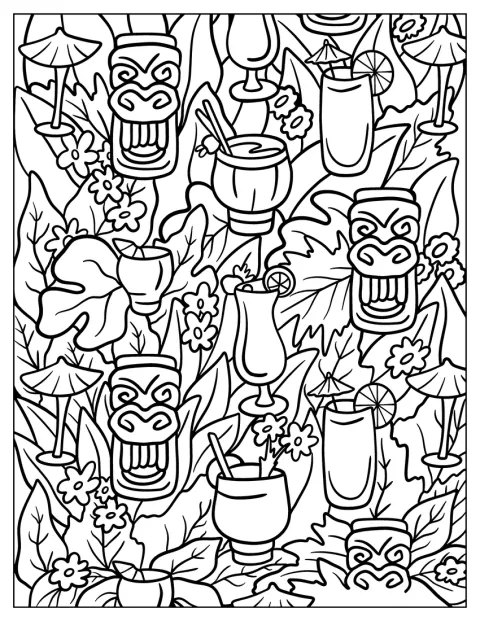
Hawaiian Tiki And Cocktails Pattern Coloring Page
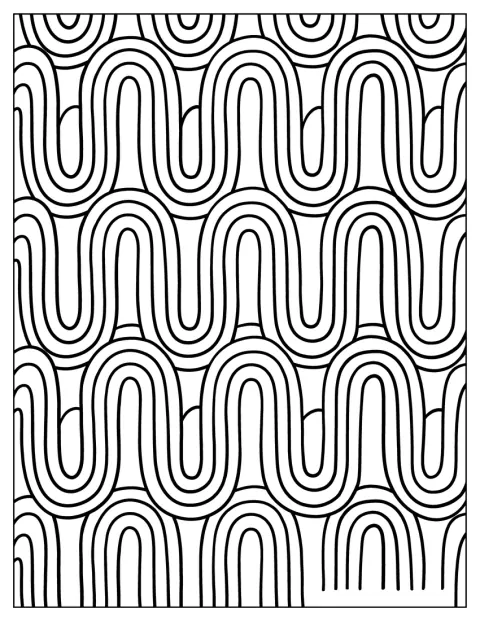
Curved Patterns Coloring Page For Kids
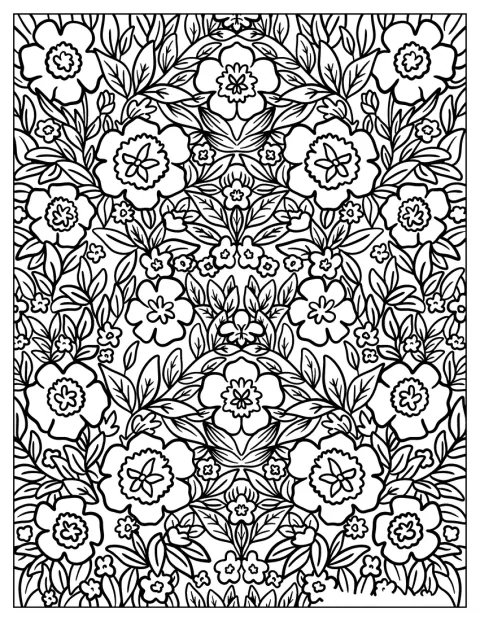
Complex Flower And Leaves Pattern Coloring Sheet
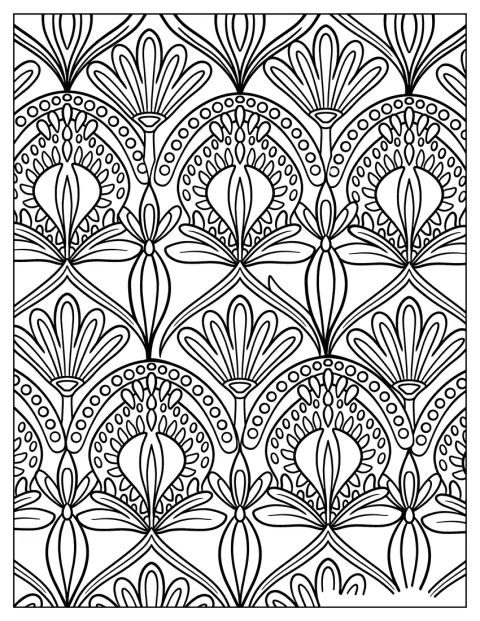
Elegant Dandelion Pattern
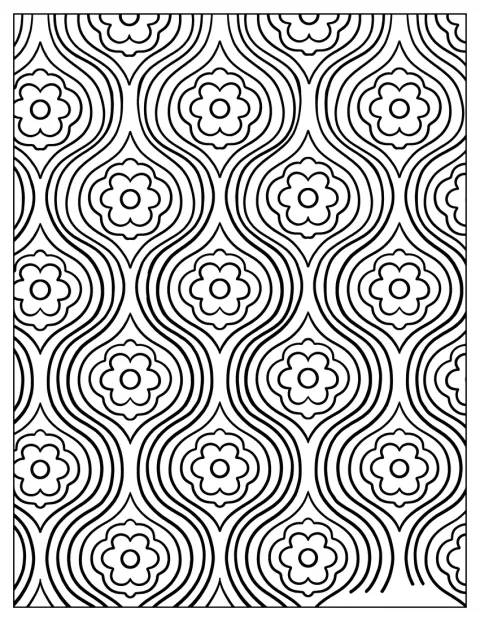
Easy Flowing Floral Pattern Coloring Sheet
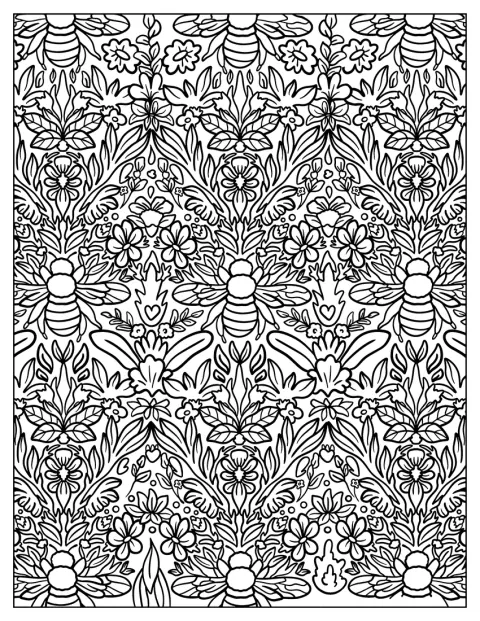
Complex Bumblebee In Nature Pattern Coloring Page
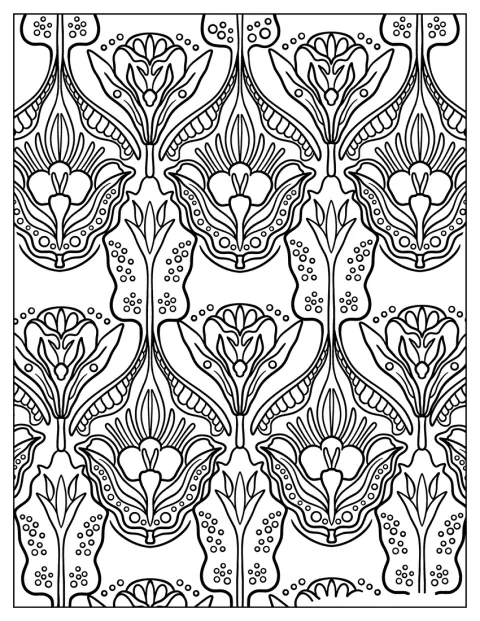
Circles And Flowers Pattern Coloring Sheet
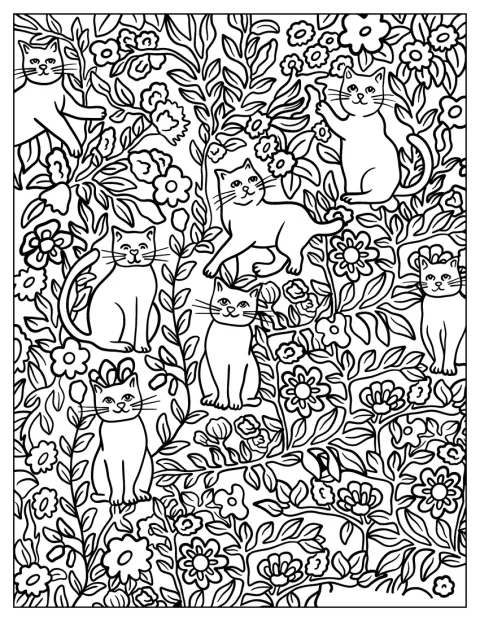
Cats And Flowers Pattern Coloring Page
Bumblebee On Hive Pattern Coloring Sheet
No picture found
The pictures in this collection are temporarily unavailable.
See the other collectionsFree Printable Pattern Coloring Pages
This gallery brings together natural motifs and decorative shapes, from flowers and maple leaves to cats, bees, palm trees, and waves. Some designs repeat a single motif, while others weave several elements into a full composition. For more designs in this style, browse Art and Patterns.
Color Ideas for Repeating Designs
Choose a small palette to make a busy pattern feel coordinated. For flowers and leaves, try two greens with a few petal colors, then repeat those choices across the page. The elegant floral and dandelion designs leave room to play with soft pastels, warm garden tones, or a bolder mix of red, orange, and purple.
For the looping fruit halves, give each fruit a different skin and center, then reuse those colors wherever the same shapes return. Bees and their honeycomb invite yellow and black with a little honey-brown; a tiny tiger among leaves could stand out in orange, cream, and deep green. You can also alternate light and dark shades to make circles, curved lines, and overlapping petals easier to follow.
How Repetition Creates a Pattern
A pattern is built from a motif that repeats or follows a recognizable arrangement. Repeated flowers, circles, or leaves can create visual rhythm, while changes in size, direction, or spacing keep the design from feeling static. Looking for the repeating element before you start can help you plan colors without losing your place.
The drawings here mix orderly shapes with natural subjects. Circles and flowers make repetition easy to spot; waves and flowers combine curved forms, while birds among nature motifs invite you to notice how different shapes sit together. You can color matching motifs alike for a tidy effect, or vary each repeat for a lively, less formal look.
Choosing a Pattern by Age and Skill
Most designs here are detailed, so consider how long the person coloring enjoys focusing on small spaces. For kids, the easy flowing floral pattern is the clearest starting point; its larger, sweeping shapes are less demanding than the compact motifs elsewhere. An easy design can also be a relaxing warm-up before trying a more intricate page.
Detailed Patterns for Adults
The detailed patterns suit older kids and adults who enjoy careful coloring and plenty of small sections. The flower-and-leaves composition, intricate hibiscus, and fan flower offer layered petals and foliage to work through. Cats among flowers and a bumblebee on its hive bring recognizable subjects into the repeating design, while the complex bee in nature has more tiny areas for slow, precise coloring.
For a different kind of challenge, try the looping fruit halves, circles and flowers, or the maple leaves. Palm trees and waves suggest a tropical scene, and the Hawaiian tiki with cocktails combines several distinct objects in one decorative arrangement. The tiny tiger on leaves, birds in a nature pattern, and flowers with mushrooms each give you details to trace with color while keeping the overall design connected.
Make a Motif Color-Spotting Game
Turn a page into a simple observation activity before coloring. Ask a child to find every flower, circle, leaf, or bee, then choose one color for that motif wherever it appears. With older kids or adults, pick a repeating shape and change its shade gradually from light to dark across the design.
For a shared activity, each person can color one section using the same three or four colors. Compare how the repeated shapes look when the colors stay in the same order or switch places. This works especially well with circles and flowers, leaves, or the bee and honeycomb motifs, where a small color change can make the repetition stand out.
Print Pattern Coloring Pages as PDFs
Each drawing has an “Open the PDF” button to open its file and a “Print” button to print directly, including from a phone. In your print settings, choose fit to page so the outer details are not cut off. Plain paper works well with colored pencils; thicker paper can feel steadier with markers, especially on detailed designs.