Vegetable coloring pages
These Vegetable coloring pages range from simple carrots, onions, and tomatoes to leafy greens and lively garden scenes. Every page is free, and you don’t need an account. Open a drawing as a PDF ready to print, with easy outlines for young children and more detailed choices for careful coloring.
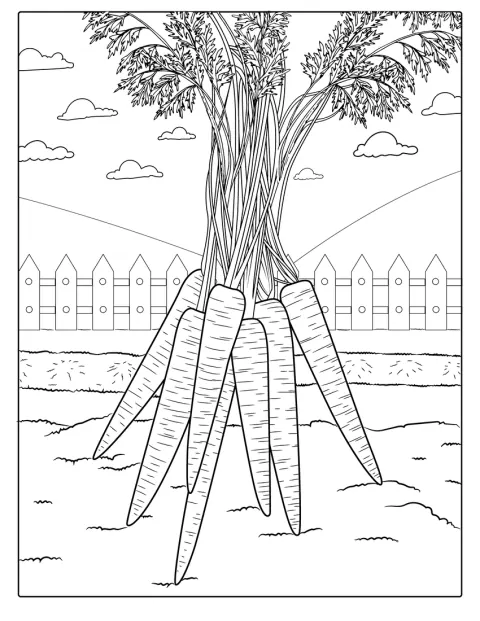
Carrots Coloring Page For Kids
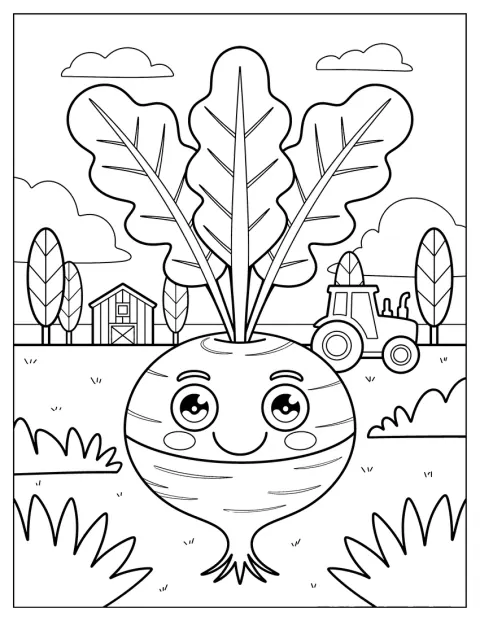
Cheerful Turnip in a Rural Vegetable Field
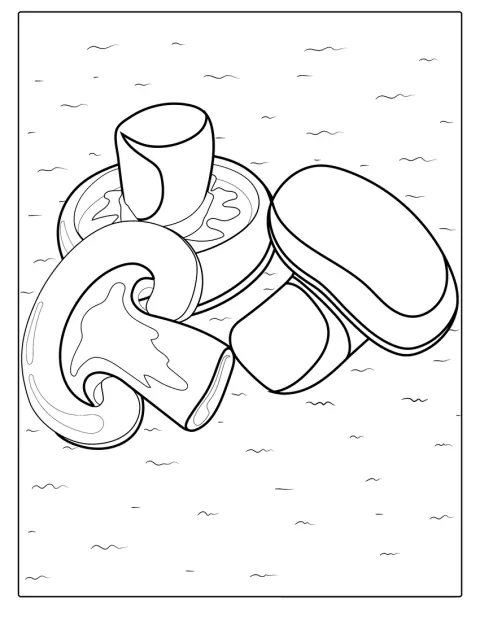
Mushrooms Coloring Sheet
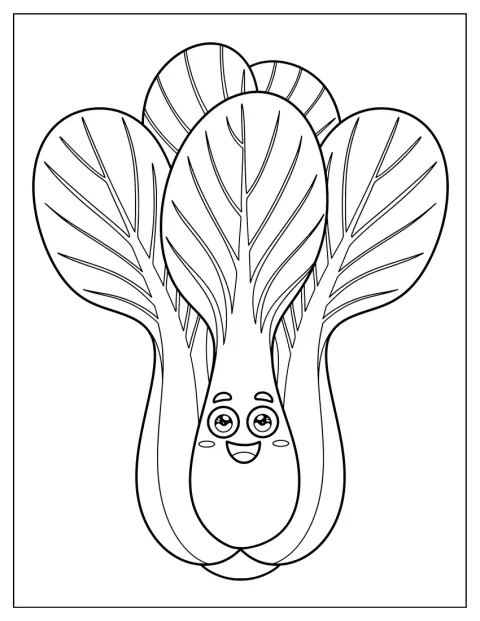
Big Leaf Bok Choy Vegetable with Cute Smile Coloring Page for Preschoolers
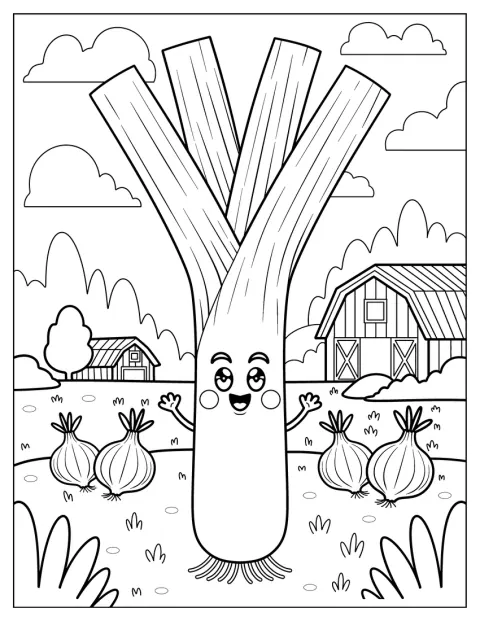
Animated Leek Vegetable Waving From a Vegetable Garden Coloring Page for Kids
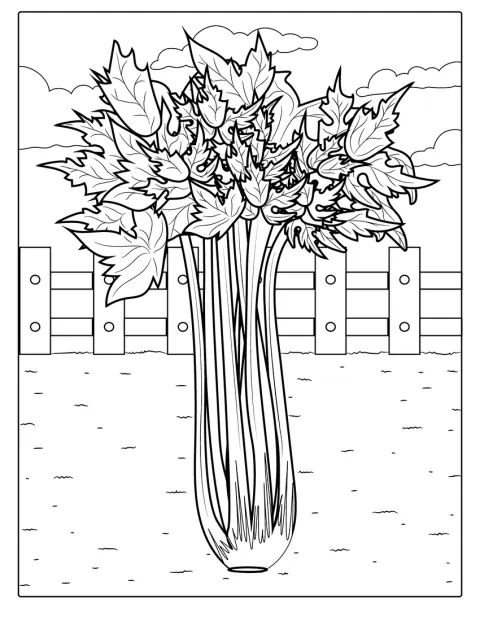
Celery Coloring Page
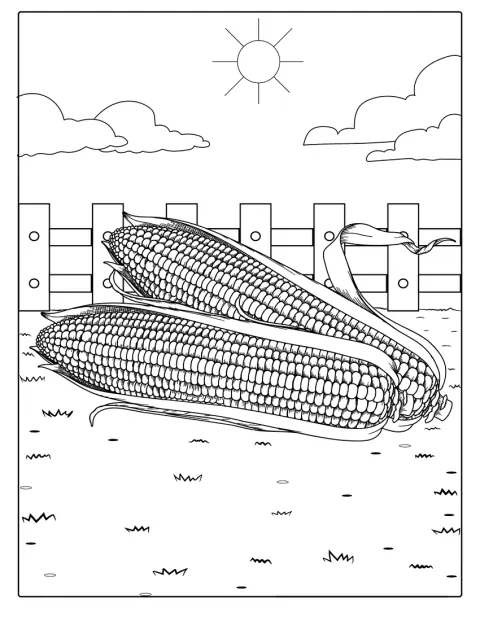
Coloring Page Of Corn On The Cob
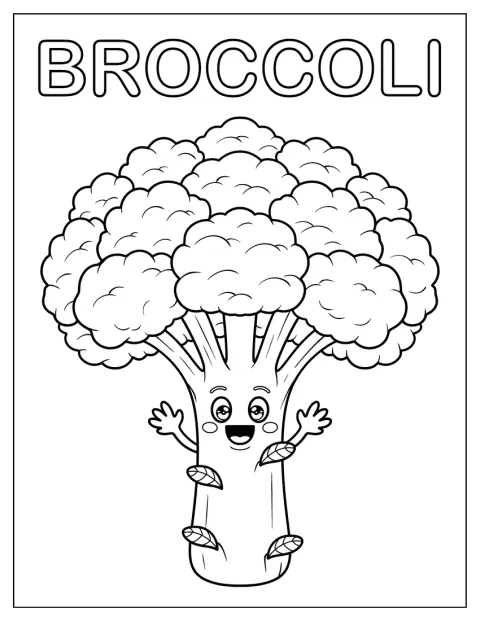
Adorable Broccoli with Arms and Legs Vegetable Coloring Page for Kids
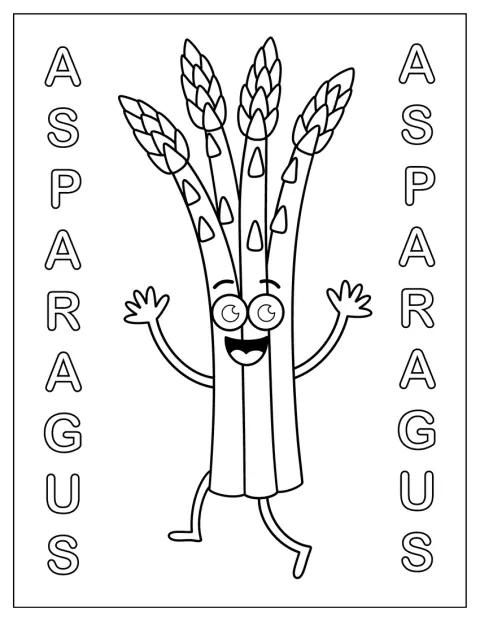
Wiggly Asparagus Vegetable With Lively Pose
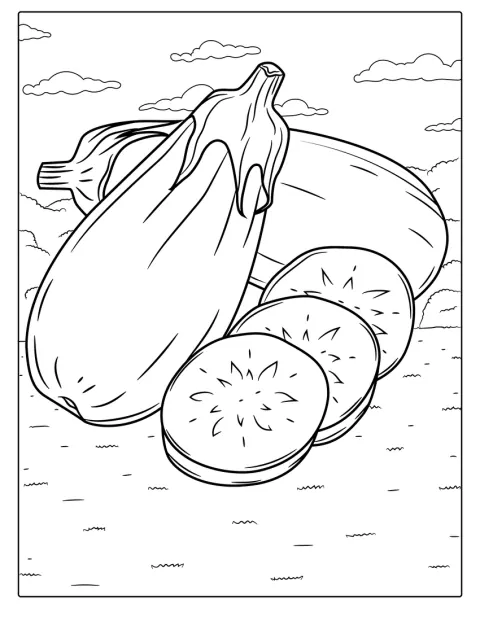
Aubergine Coloring Sheet For Kids
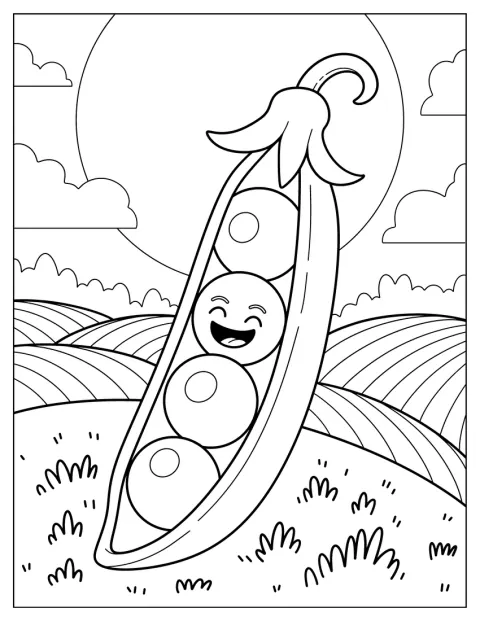
Sunlit Vegetable Field with Cheerful Pea Pod
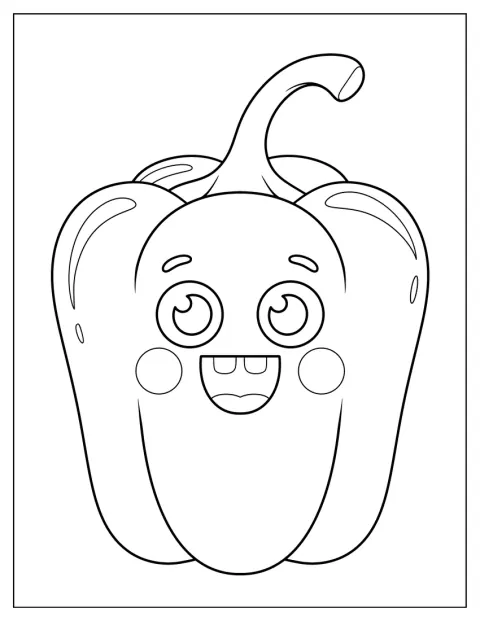
Smiling Bell Pepper Vegetable Character Coloring Sheet for Preschoolers
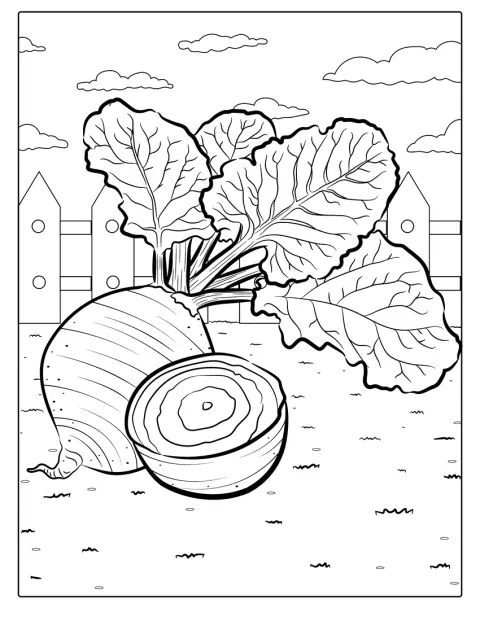
Beetroot Coloring Sheet
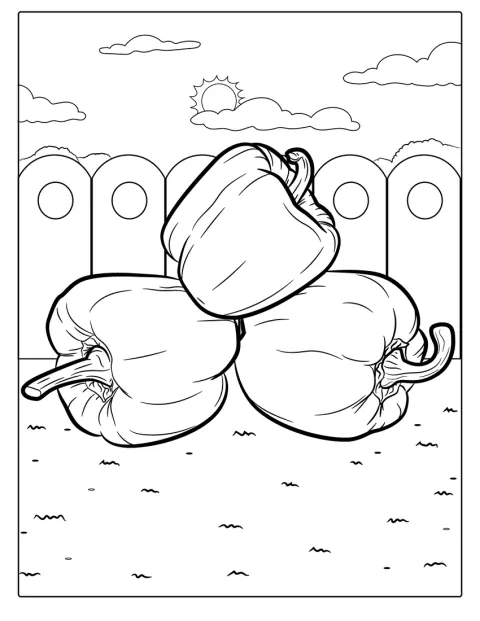
Bell Peppers Coloring Picture
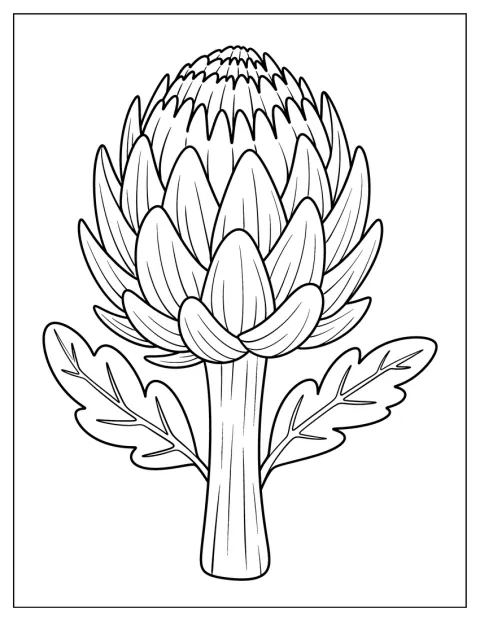
Large Artichoke Vegetable Outline Coloring Page for Kids
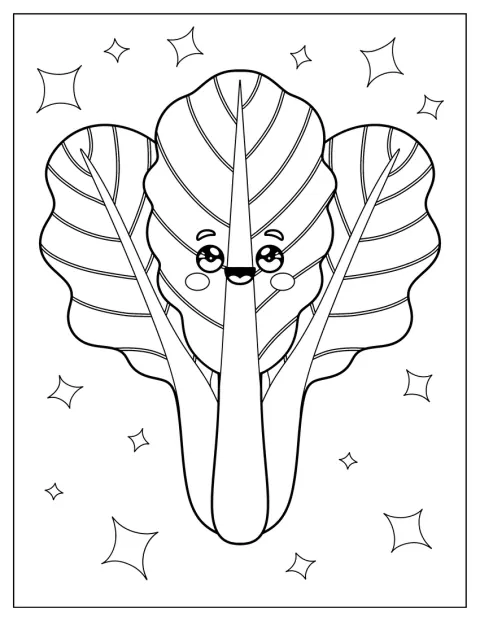
Kawaii Bok Choy Vegetable with Sparkles Coloring Page
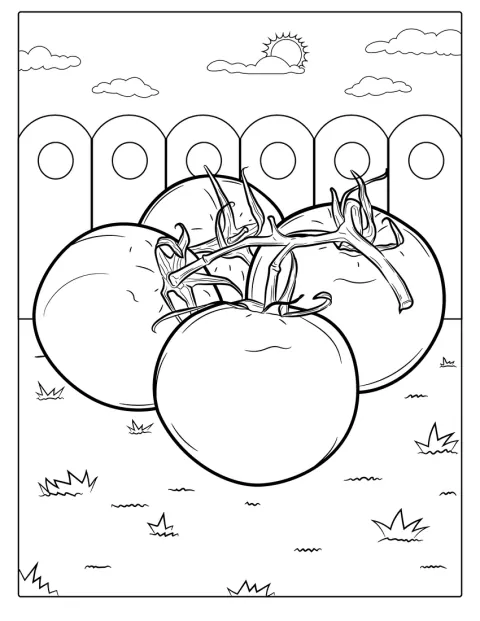
Vine Tomatoes Coloring Page
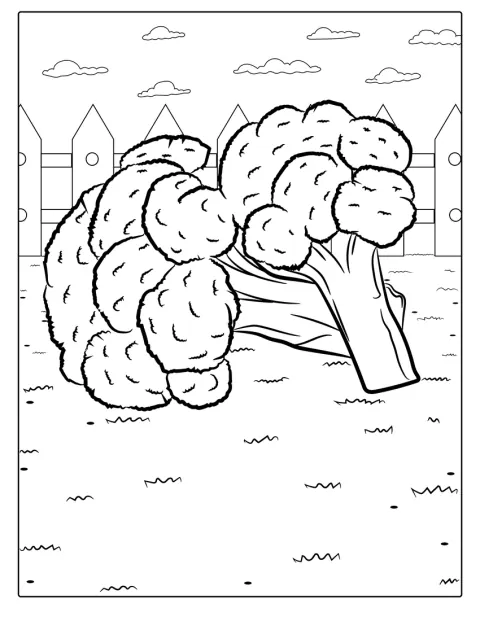
Broccoli Coloring Page For Preschoolers
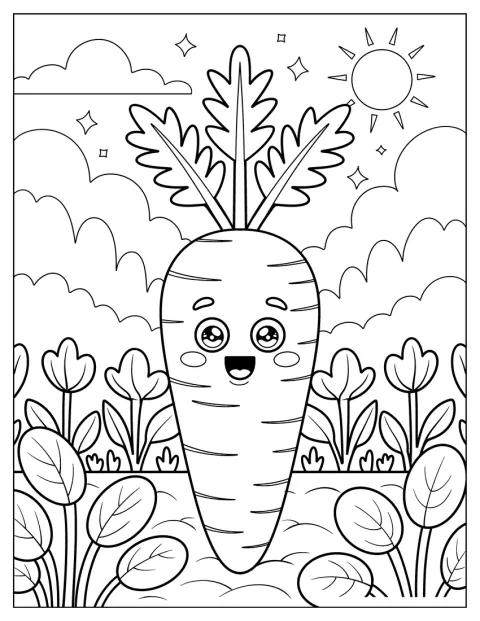
Garden Carrot with Sunny Sky and Vegetable Leaves Coloring Page for Preschoolers
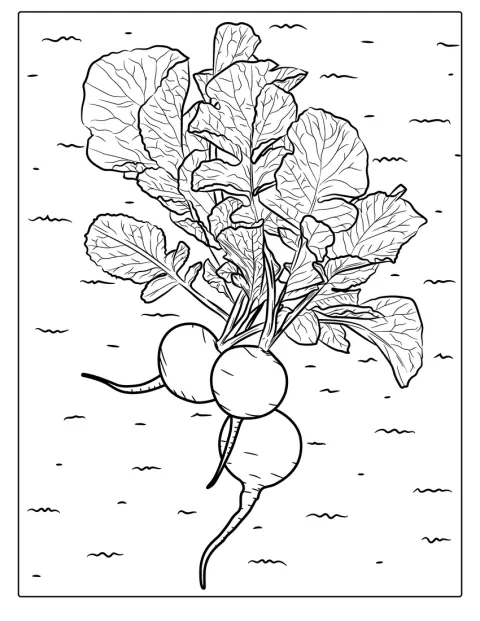
Turnip Coloring Sheet
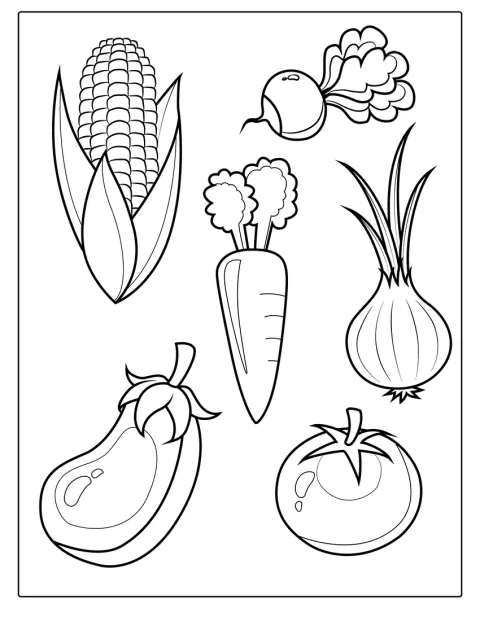
Simple Outline Of Common Vegetables For Preschoolers
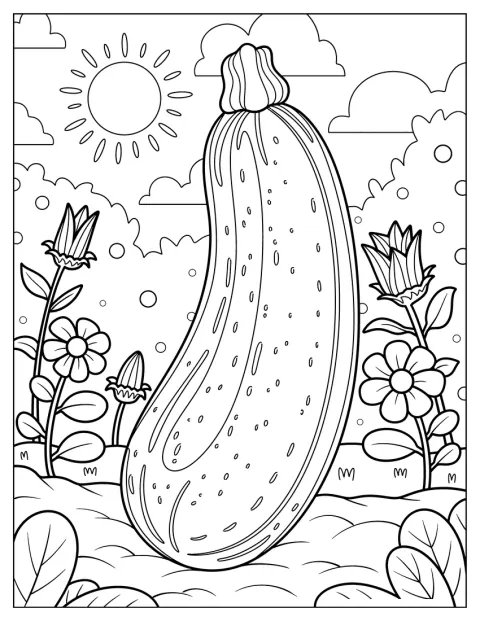
Detailed Zucchini Under the Sun Coloring Page
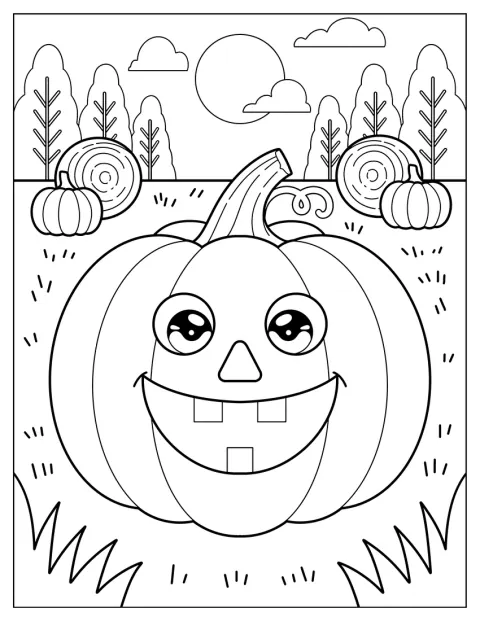
Cute Pumpkin Vegetable With Hay Bales and Trees in the Background Coloring Page for Kids
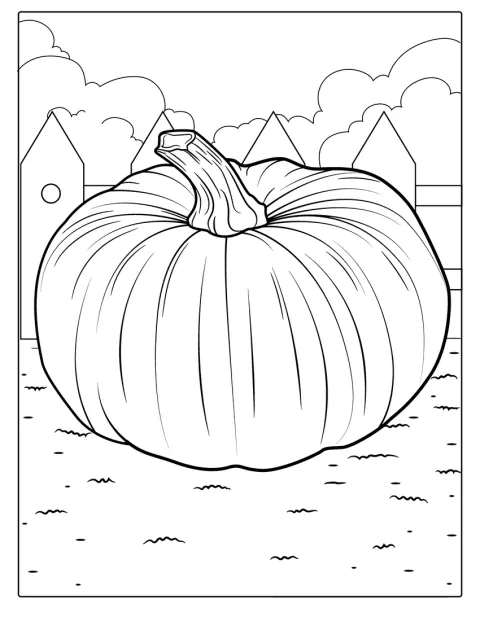
Coloring Page Of Pumpkin
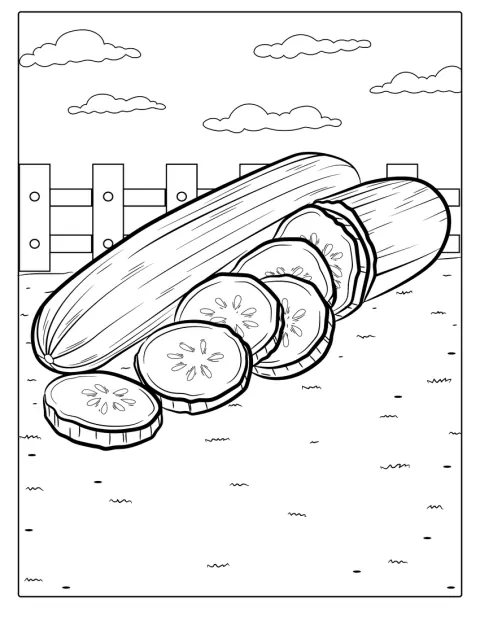
Coloring Picture Of Cucumber
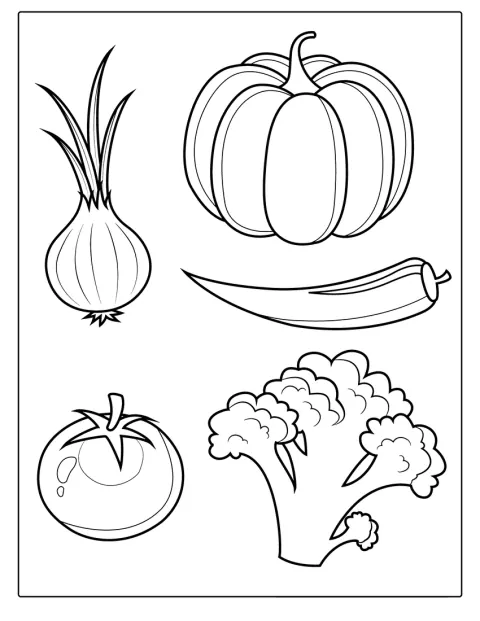
Easy Vegetable Coloring Page For Kids
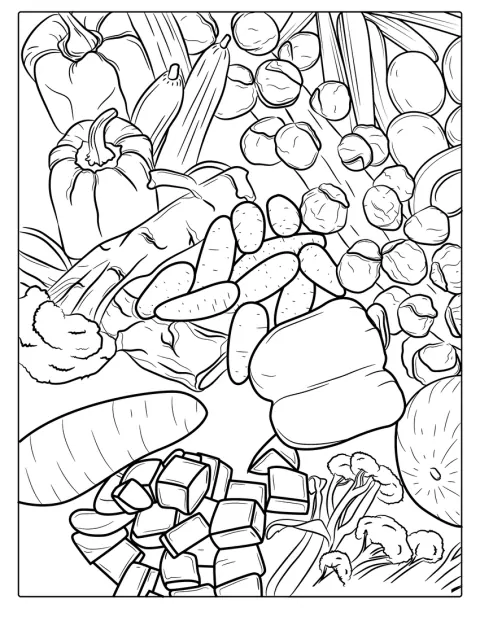
Guess The Vegetable Coloring Page
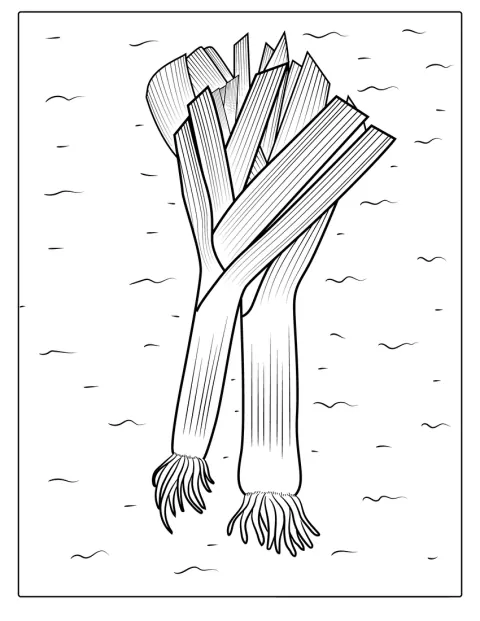
Leeks Coloring Page
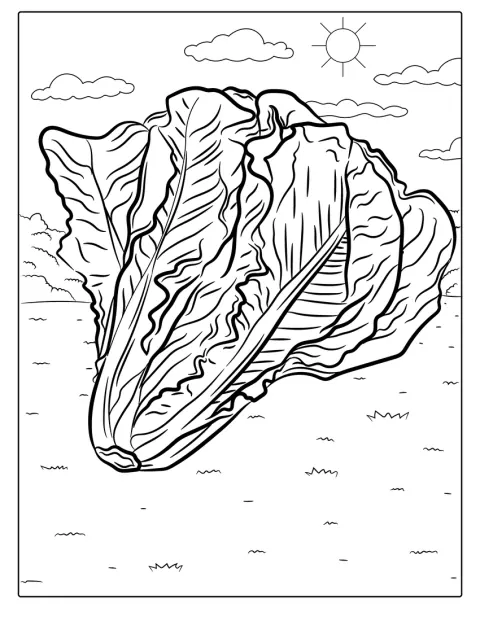
Lettuce Coloring Sheet
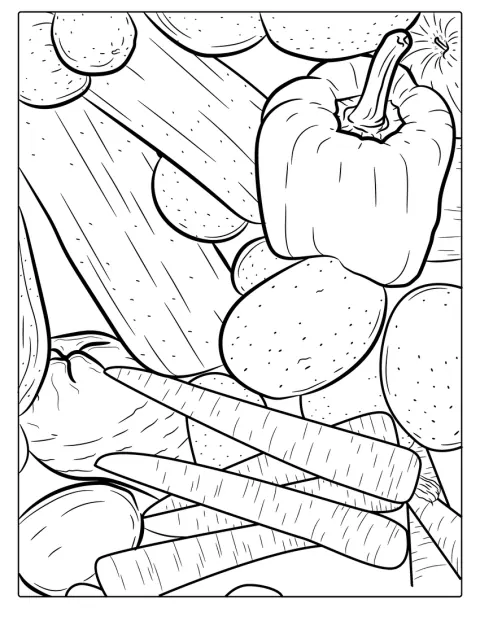
Mixed Vegetables (Peppers, Carrot, Potato) Coloring Sheet
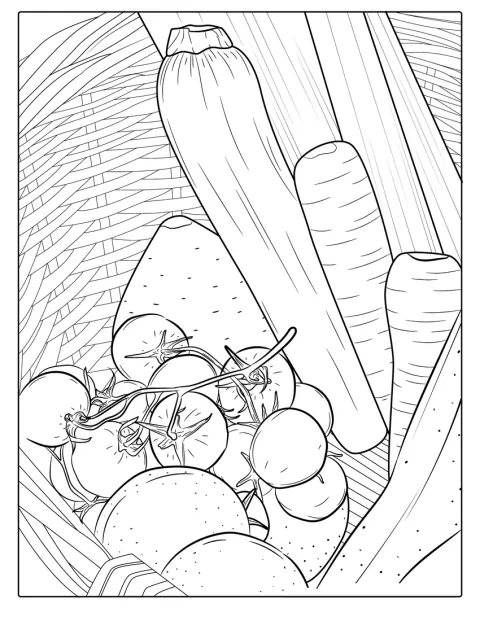
Mixed Vegetables In Basket Coloring Page
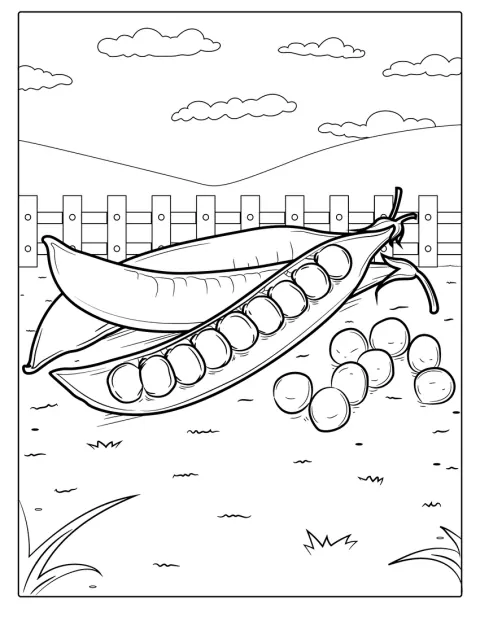
Peas Coloring Sheet
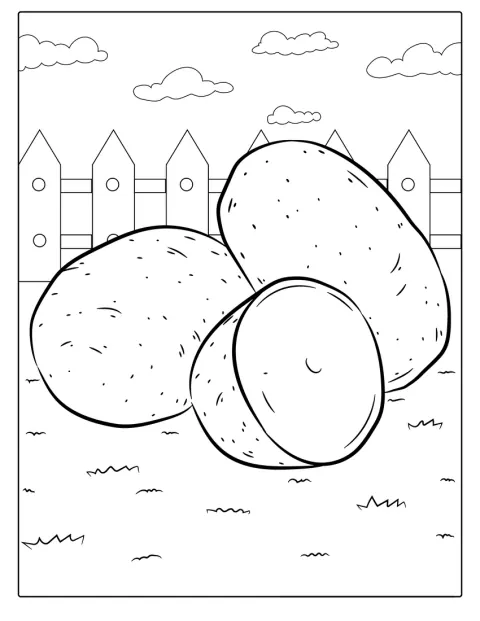
Potato Coloring Sheet
No picture found
The pictures in this collection are temporarily unavailable.
See the other collectionsFree Printable Vegetable Coloring Pages
Pick individual vegetables, mixed produce, or a scene in a vegetable garden. The collection includes familiar foods such as potatoes, peppers, mushrooms, and peas, with open shapes as well as busier pictures.
What Parts of a Plant Are Vegetables?
Vegetables in everyday meals come from different parts of plants. Carrots and beets are roots, while celery and leeks are stems or leaves; peas are seeds, and broccoli is made up of flower buds. Tomatoes and peppers are botanically fruits, though they’re usually treated as vegetables in cooking.
That variety makes a simple coloring activity a chance to talk about where food grows. Point out the root vegetables, leafy greens, and pods, then compare them with Fruit coloring pages for another food theme.
Cute Vegetable Coloring Pages
Smiling bok choy and a bell pepper give preschoolers friendly faces and broad shapes to fill. A broccoli with arms and legs makes the vegetable feel like a little character, while the kawaii bok choy’s sparkles invite small touches of color.
For a scene to talk about as you color, try the pumpkin beside hay bales and trees. The waving leek in a vegetable garden and the cheerful pea pod in a sunny field can prompt a story about what’s growing there.
Choose by Age and Coloring Level
For a 3-year-old, choose a picture with a few large shapes and keep the task simple: one color for a carrot, another for its leaves. A 7-year-old may enjoy adding details to a basket of mixed vegetables or choosing colors for each pepper in a group.
Older children and adults can take on the finer outlines or use the pictures to practice careful shading. The best fit depends on patience and interest as much as age; a child who enjoys detail may prefer a busier design.
Easy Vegetable Coloring Pages for Kids
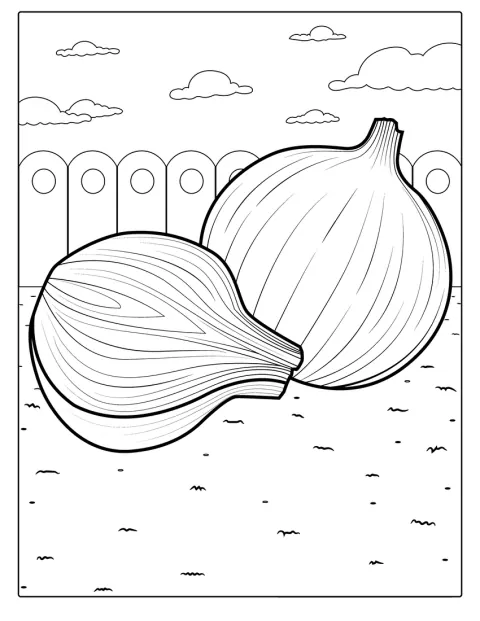
The easy choices include vine tomatoes, brown onions, leeks, pumpkins, carrots, peas, and a simple outline of common vegetables. Their clear shapes suit first coloring attempts and make it easy to name each food as you go.
A basket of mixed vegetables adds more objects without making each one complicated. Children can spot the potato, carrot, and peppers, then choose a color for each; the easy bell pepper and smiling bok choy are also good picks for a short activity.
Detailed Vegetable Coloring Pages for Adults
For slower coloring, look for the celery, lettuce, and lively asparagus drawings, or try the zucchini beneath the sun. Their narrower stalks, layered leaves, and extra lines call for a sharper pencil and more careful strokes.
The vegetable guessing picture offers a small puzzle alongside the coloring. Cover the name, identify the outlines together, and then use different shades to distinguish the produce.
Colors for Vegetables and Garden Scenes
Use orange for carrots, red for ripe tomatoes, and green for peas, leeks, and broccoli. Bell peppers can be red, yellow, or green, while aubergine is often colored purple and a pumpkin orange; these familiar choices make the pictures easy to recognize.
For a less realistic palette, give each vegetable a different bright shade, especially on the smiling faces. In garden scenes, greens can vary across leaves and fields, with blue sky or brown soil to help the produce stand out.
Print the Vegetable Coloring Pages as PDFs
Choose “Open the PDF” to view a drawing, or “Print” to send it directly to your printer; both buttons work from a phone, too. Select fit to page if an outline looks close to the paper’s edges. Plain paper works well with colored pencils, while thicker paper can handle markers better.