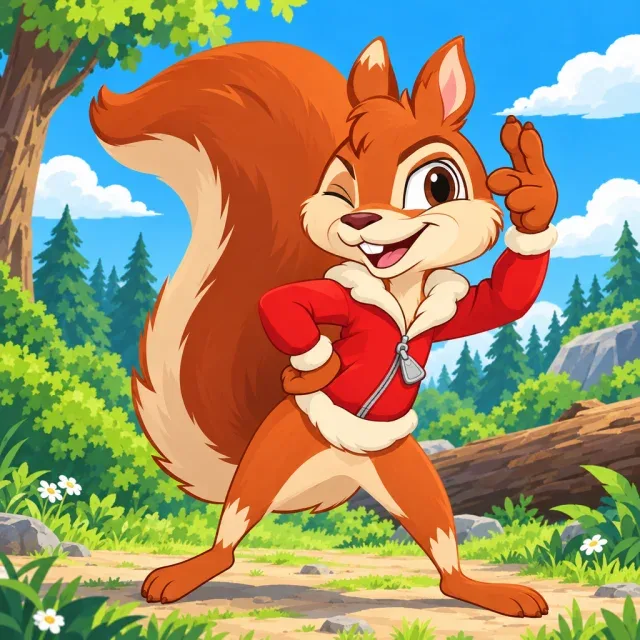
Squirrel coloring pages
These squirrel coloring pages bring together forest walks, autumn acorns, cozy tree hollows, and playful animal scenes. Every page is free, with no account needed, and opens as a PDF ready to print. Choose a simple outline for a young child or a detailed picture for a longer coloring session.
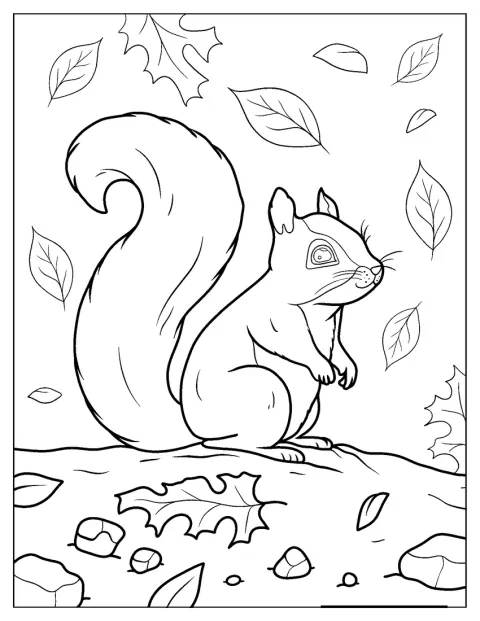
Simple Squirrel Outline In Fall Coloring Sheet For Kids
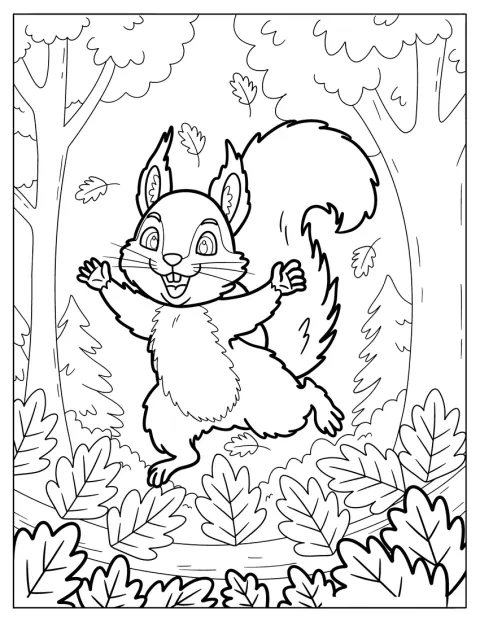
Squirrel Jumping Through Autumn Leaves in Forest Clearing Coloring Page
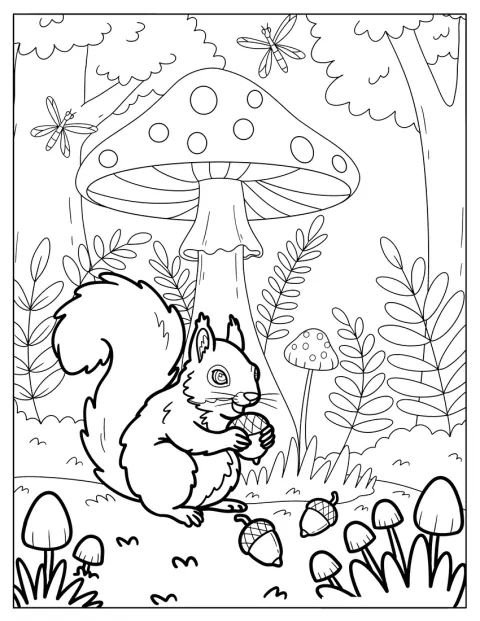
Squirrel Gathering Acorns Beneath Giant Forest Mushroom Coloring Page
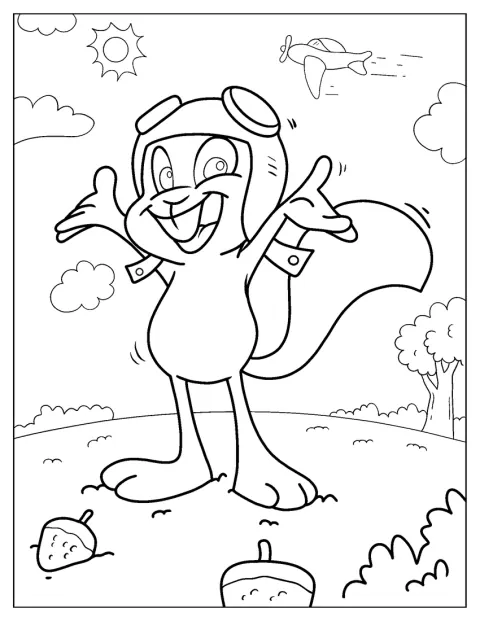
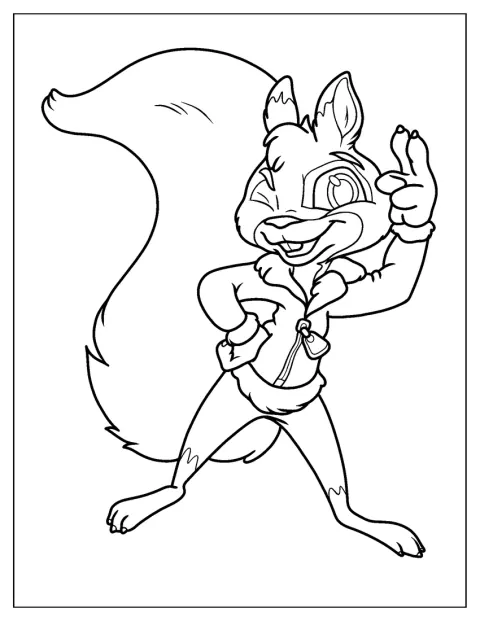
Rocket J Squirrel Wearing Aviator Helmet Coloring Page For Preschoolers
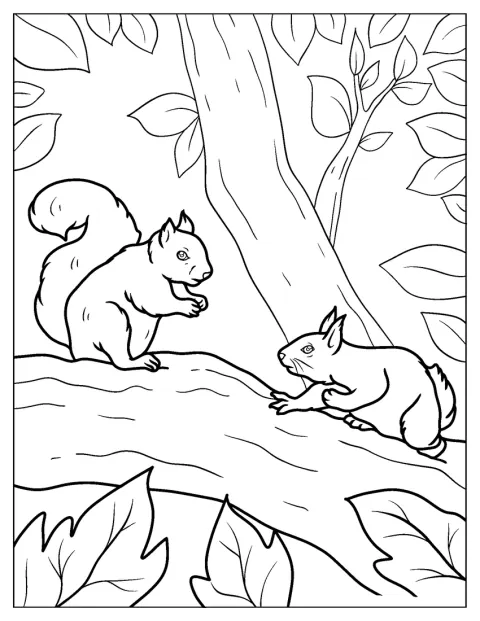
Easy Outline Of Two Squirrels On Tree Branch Coloring Page
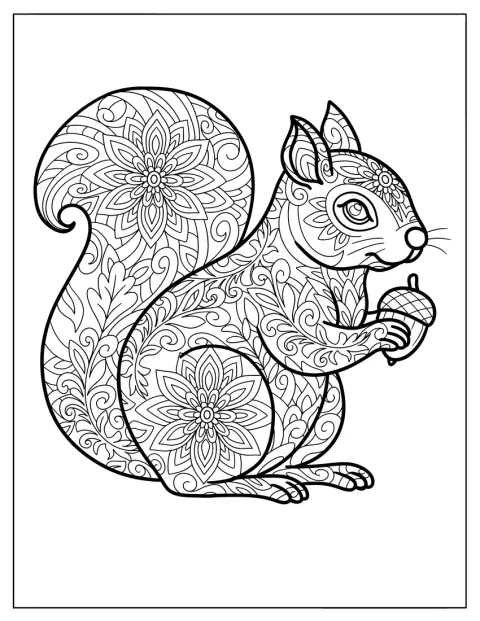
Detailed Squirrel Mandala with Lotus Patterns Holding Acorn
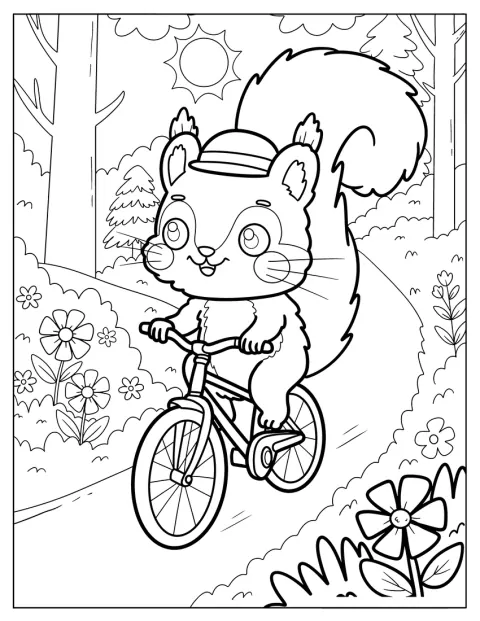
Cute Squirrel Riding a Bicycle Through the Forest Coloring Page
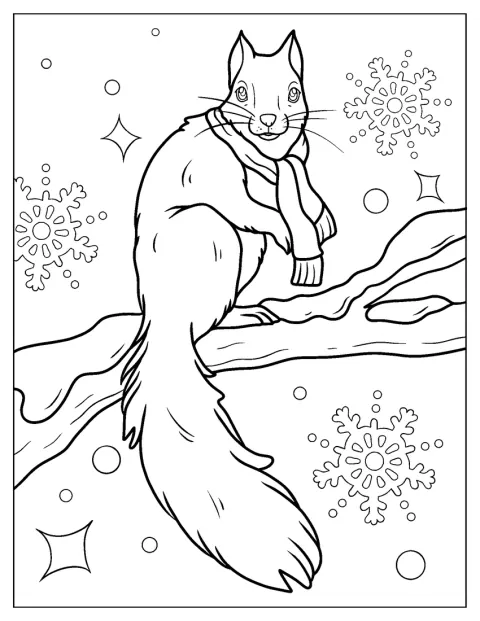
Adult Squirrel Wearing Scar In Winter Coloring Sheet
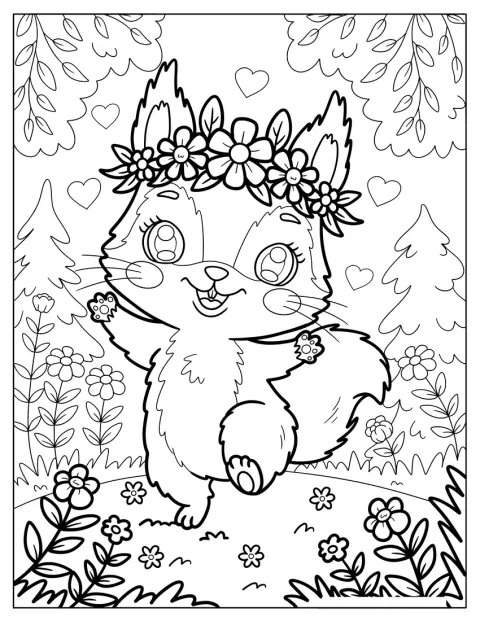
Squirrel with a Flower Crown Dancing in a Forest Meadow
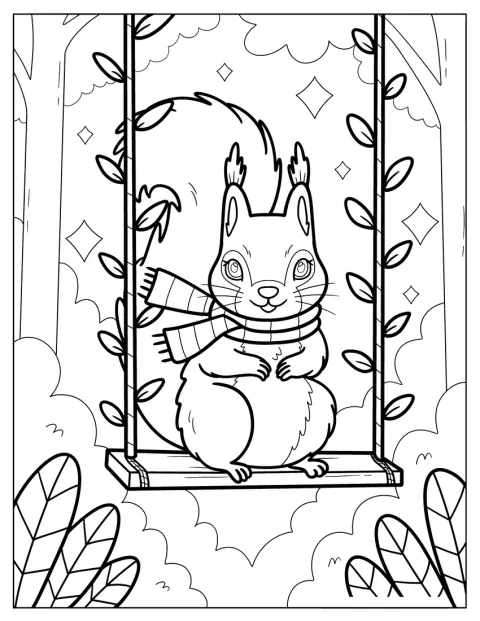
Squirrel Sitting on Garden Swing with Scarf Coloring Sheet
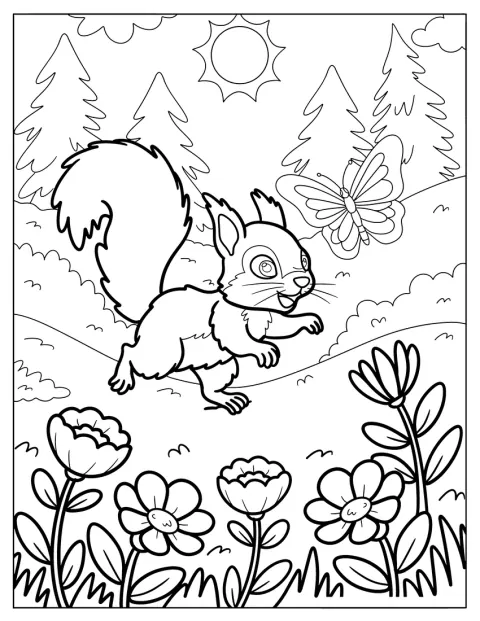
Squirrel Running Through Meadow with Flowers and Butterfly
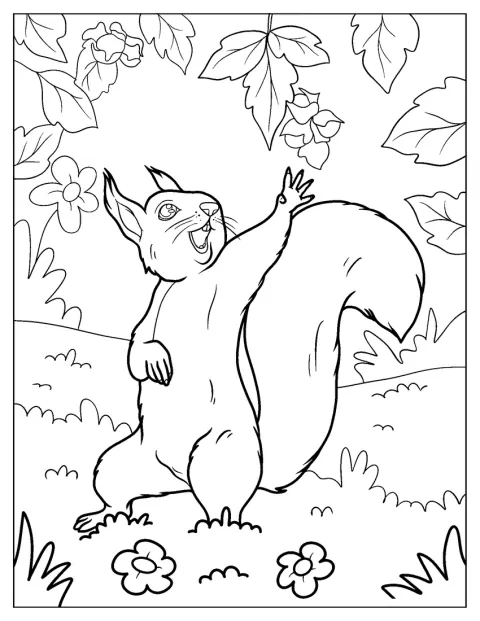
Squirrel Reaching Up For Nuts In Autumn
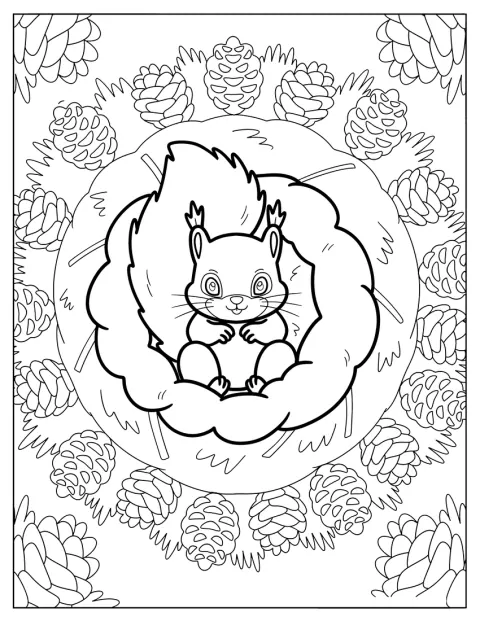
Squirrel Resting in a Nest Surrounded by Pinecone
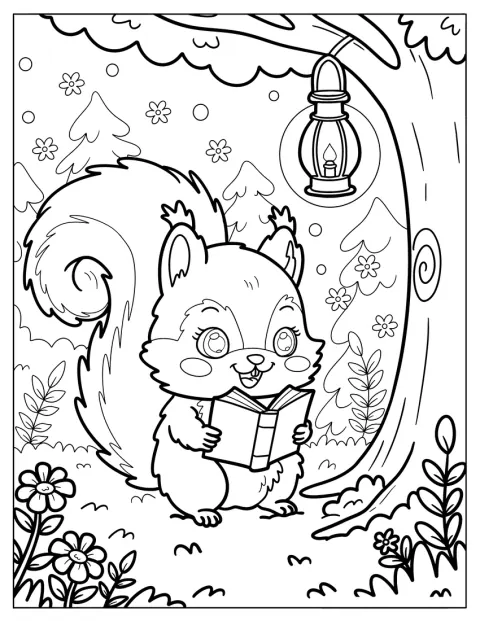
Squirrel Reading by Lantern Light in the Forest Coloring Sheet
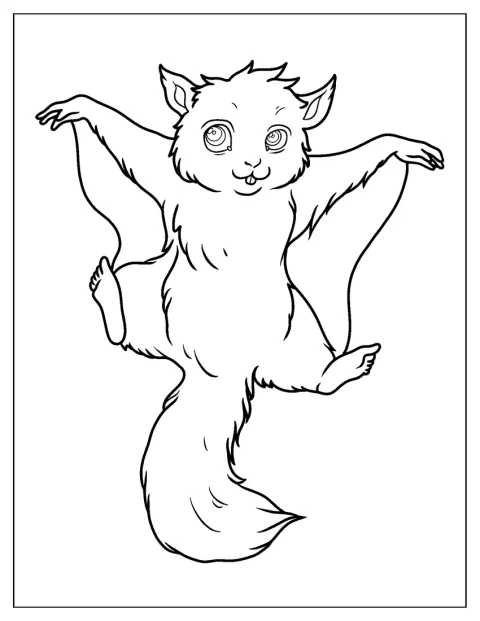
Simple Squirrel Gliding In the Air Coloring Page
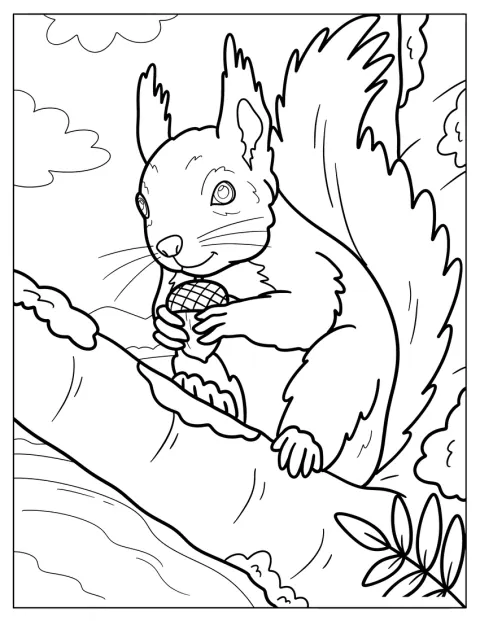
Squirrel Perched on Tree Branch Holding Acorn
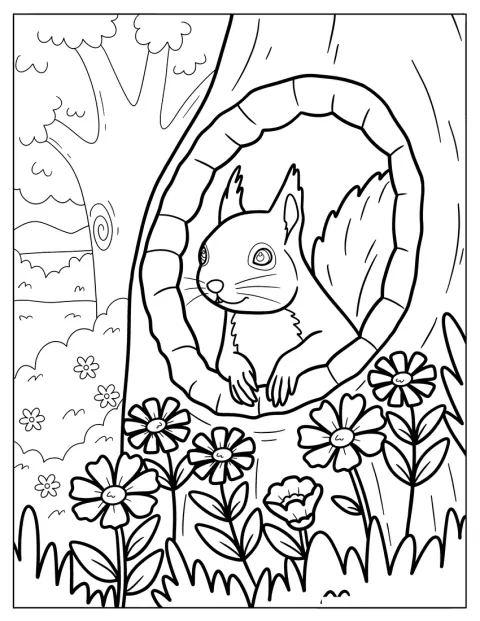
Squirrel Peeking Out from Tree Hollow in Flower Garden Coloring Sheet for Kids
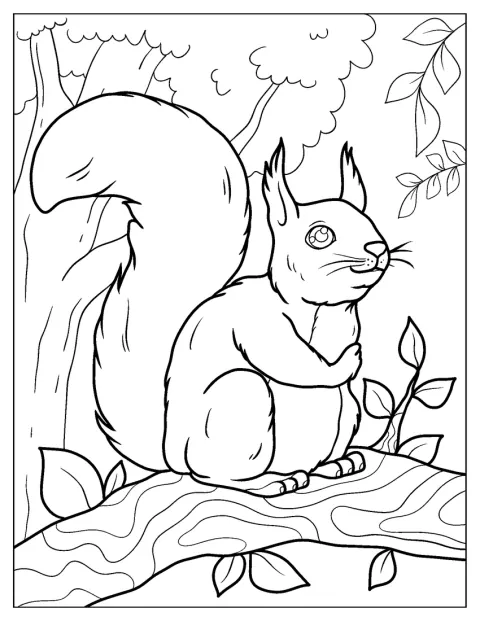
Simple Smiling Squirrel Coloring Page For Kids
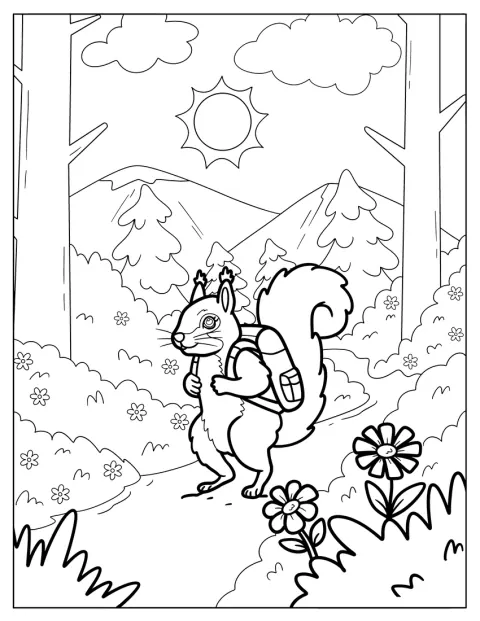
Squirrel Hiking Through Forest Trail with Backpack
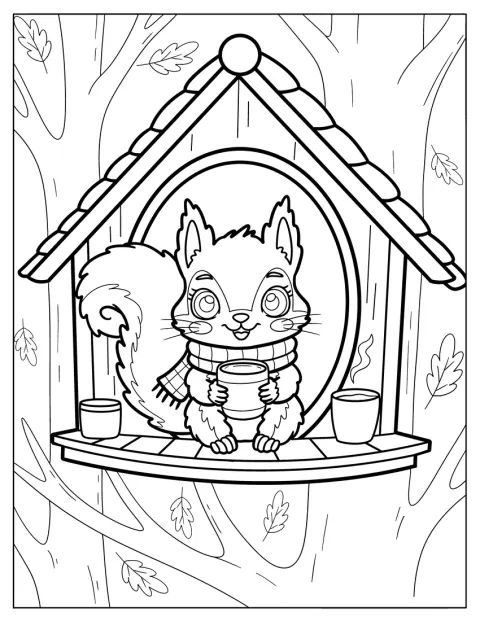
Squirrel Enjoying a Hot Drink in Cozy Treehouse Nook Coloring Sheet
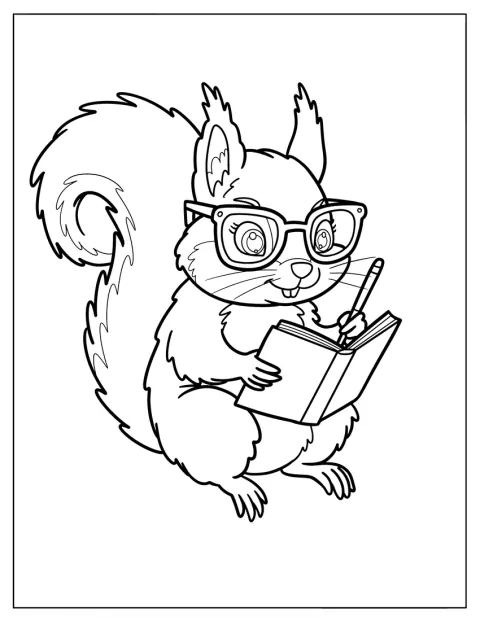
Smart Squirrel Wearing Glasses and Writing in Notebook Coloring Page for Kids
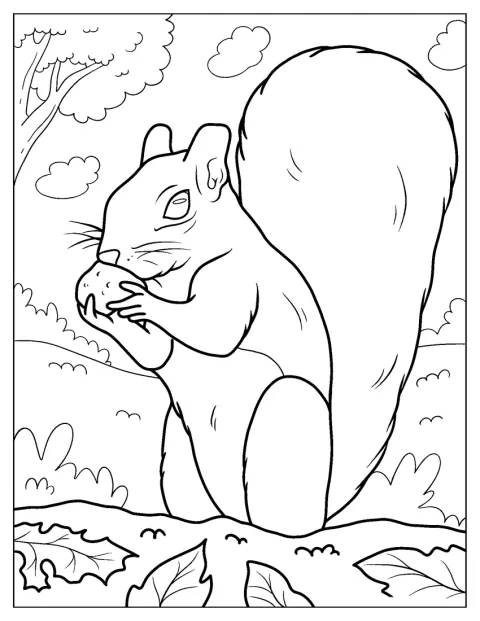
Realistic Squirrel Eating Nut On Field Coloring Page
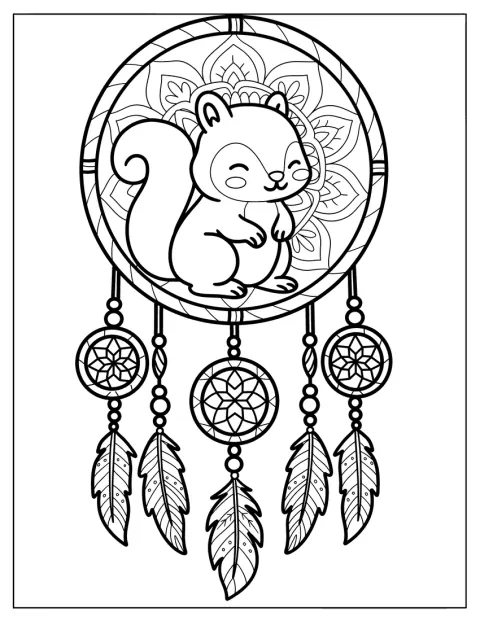
Sleeping Squirrel in Dreamcatcher with Feathers Coloring Sheet
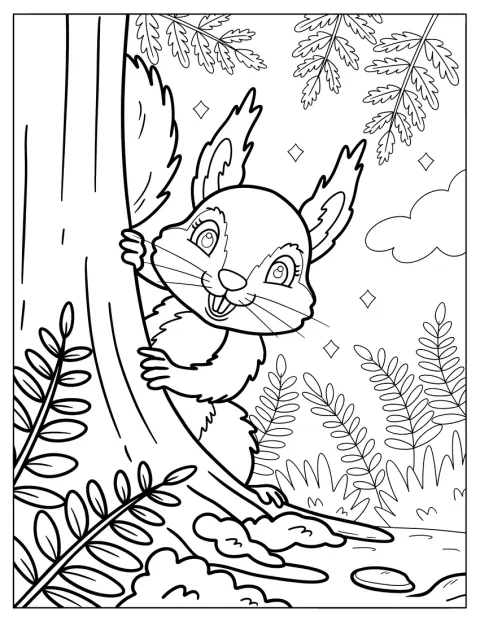
Playful Squirrel Peeking from Behind a Tree Coloring Page
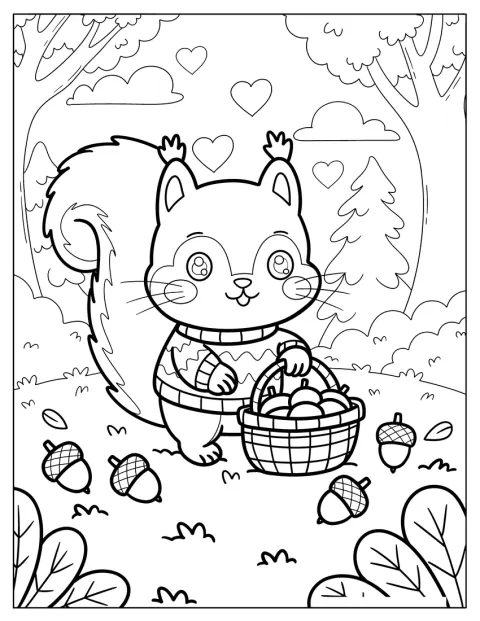
Forest Squirrel in Cozy Sweater Collecting Acorns Coloring Sheet for Kids
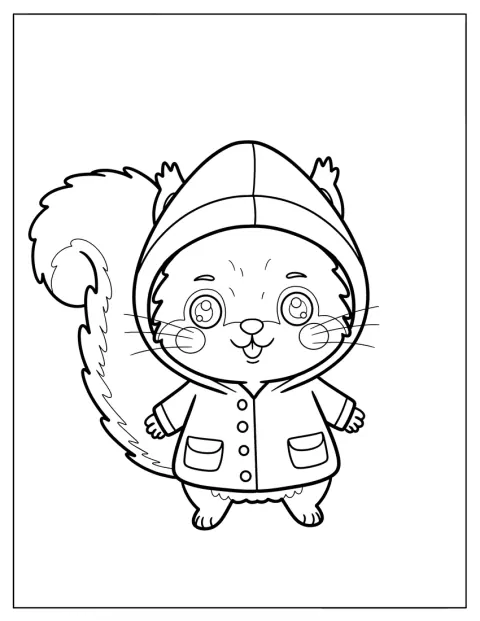
Fluffy Squirrel Wearing a Hooded Raincoat Coloring Sheet for Preschoolers
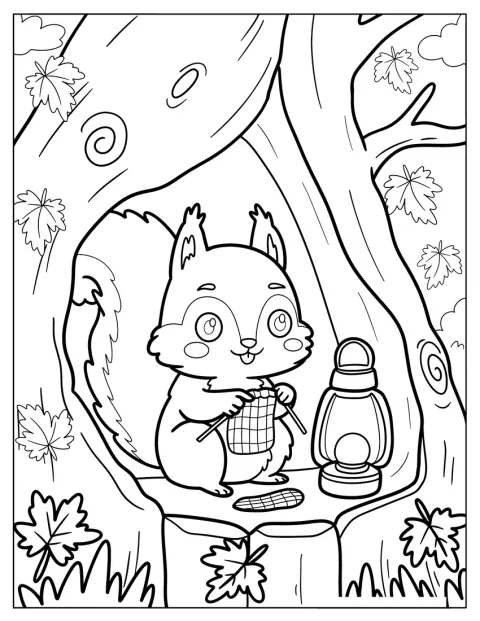
Cozy Woodland Squirrel Knitting Beside Lantern in a Hollow Tree Coloring Page
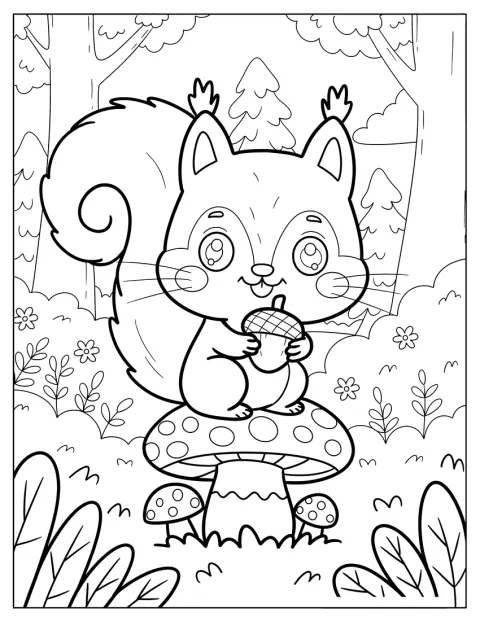
Cartoon Squirrel Eating an Acorn on a Spotty Mushroom Coloring Page for Preschoolers
No picture found
The pictures in this collection are temporarily unavailable.
See the other collectionsFree printable squirrel coloring pages
The gallery includes 29 squirrel drawings, from a smiling animal with a single acorn to a richly patterned mandala. Some show squirrels outdoors, hiking, gliding, or gathering nuts; others turn a tree hollow into a snug place to read, knit, or rest. Look for easy outlines, lively story scenes, and finer details to color at your own pace.
What makes a squirrel easy to recognize?
Squirrels are rodents, and their large front teeth keep growing throughout their lives. They use those incisors to gnaw food such as nuts, while a bushy tail is one of their most familiar features. In realistic pictures, the tail, small paws, and alert posture help distinguish a squirrel from other backyard animals.
A scene of a squirrel reaching for nuts or holding an acorn gives kids a chance to notice those paws at work. A squirrel peeking from a tree hollow suggests a sheltered resting spot, while one running across a meadow looks ready to dart away. The more fanciful scenes, such as a squirrel in a raincoat or riding a bicycle, make room for a silly story too.
Colors for fur, leaves, and acorns
For a natural look, try warm brown, reddish brown, or gray fur, with a lighter cream or tan patch on the belly. A darker brown or orange tail can stand out against green leaves, a blue sky, or the gold and red shades of fall. These are coloring ideas rather than fixed rules, so a raincoat, scarf, or flower crown can be any color the artist likes.
Acorns work well in shades of brown, with pale tan caps; pinecones can be brown or deep green. In the cozy treehouse scenes, lantern light can glow yellow or orange, making a nice contrast with cool nighttime blues. For the detailed mandala, repeat a small group of colors through the lotus patterns to make the design feel balanced.
Choose a picture by age and coloring level
For a three-year-old, a broad outline and one clear subject are easier to manage than a page packed with tiny details. A seven-year-old may enjoy a scene with a few extra things to color, such as autumn leaves, a backpack, or a spotted mushroom. Older kids and adults can take their time with fine patterns and layered woodland settings.
Easy squirrel coloring pages for kids
The simple smiling squirrel, fall outline, and pair of squirrels on a branch have open shapes that suit beginners. A squirrel eating an acorn on a mushroom adds a cheerful detail without making the whole picture feel crowded. The hiking squirrel with a backpack and the gliding squirrel invite kids to invent where the animal is going; the raincoat and aviator helmet bring a playful, cartoon-like touch. A cute squirrel pedaling through the forest is another lighthearted choice.
Detailed squirrel coloring pages for adults
Choose a more intricate drawing when you want small areas and textures to work through. The mandala combines an acorn with repeating lotus patterns, while feathers around a sleeping squirrel create a layered design. Lanterns, knitting, a book, and the curves of a hollow tree make the cozy woodland scenes satisfying to shade slowly. For a naturalistic option, the squirrel eating a nut in a field has fur, grass, and open space to color with subtle changes in tone.
Make up a woodland squirrel story
Pick a scene and give the squirrel a small mission: it might collect acorns before the leaves fall, follow a forest trail with its backpack, or settle in for a quiet evening by a lantern. Add a beginning and an ending as you color, then invite a child to point out clues in the picture, such as the nut, nest, tree hollow, or notebook. This works well as a calm drawing-and-story break at home or in a classroom.
Print squirrel coloring pages as PDFs
Choose a drawing, then select “Open the PDF” to view it or “Print” to send it straight to the printer, including from a phone. Use fit-to-page settings so the whole picture stays on the paper. Regular paper works well with colored pencils; thicker paper can handle markers better, especially on detailed designs.