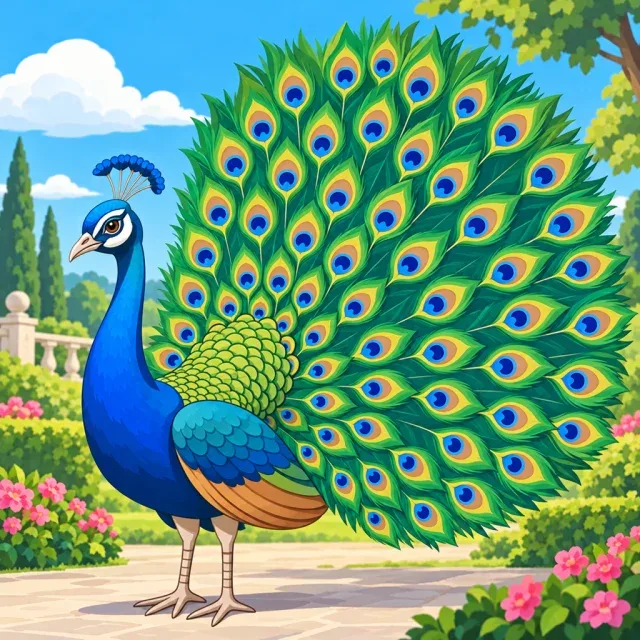
Peacock coloring pages
Browse peacock coloring pages with sleeping chicks, sweeping tails, garden scenes, and intricate mandalas. Every page is free, needs no account, and opens as a PDF ready to print. Choose easy designs for a quick activity or detailed illustrations when you want more time with the colors.
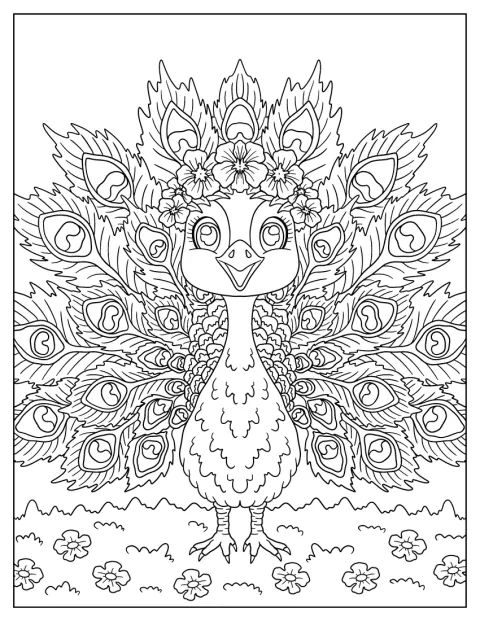
Smiling Cartoon Peacock with Floral Crown and Fanned Feathers Coloring Sheet For Kids
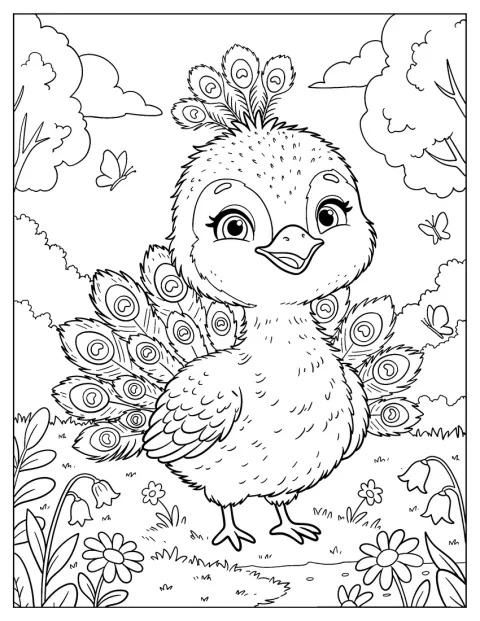
Baby Peacock Spreading Tail Feathers in a Garden Coloring Page
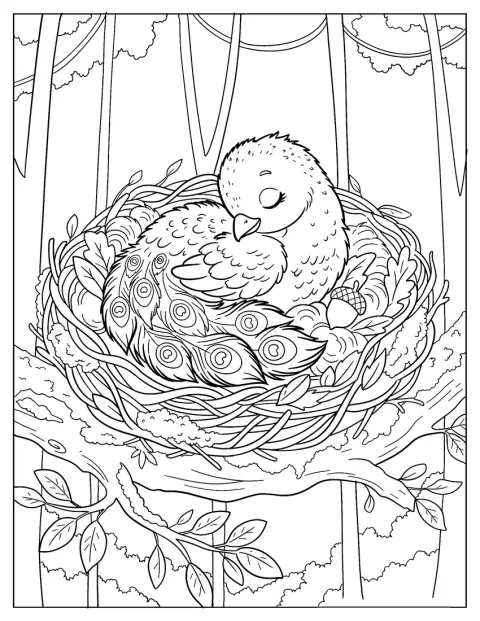
Baby Peacock Sleeping in a Tree Nest Coloring Page for Kids
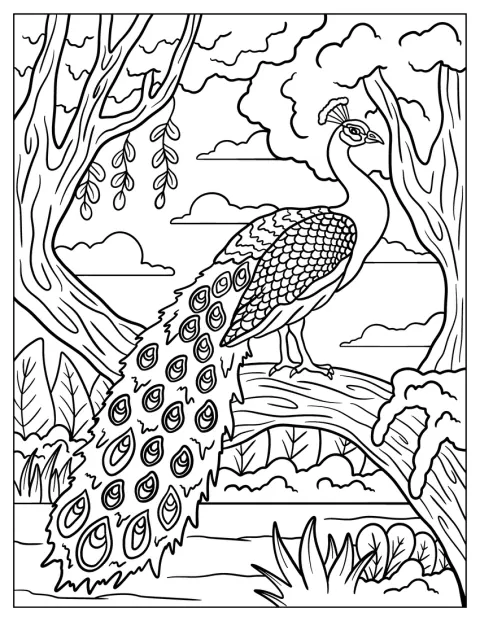
Realistic Peacock on Tree Branch in Forest Coloring Sheet For Adults
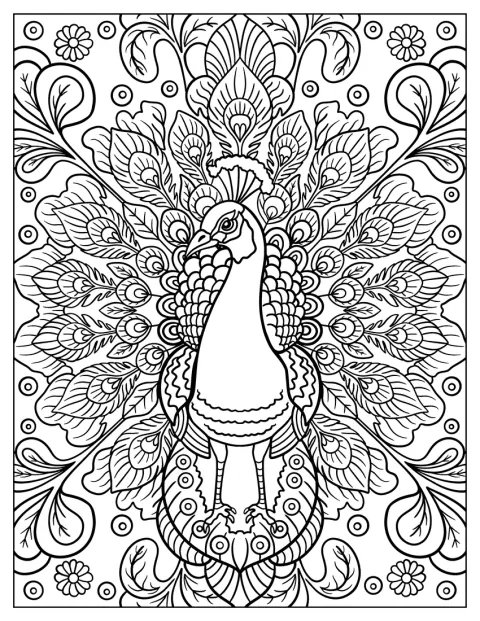
Peacock in Ornamental Mandala Style With Floral Pattern
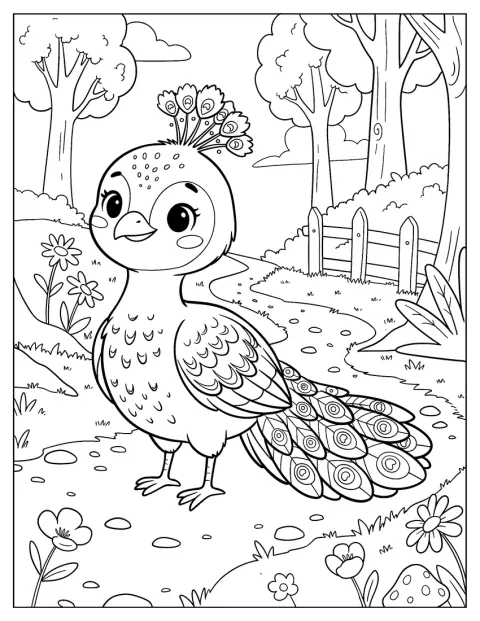
Young Peacock Standing on a Garden Path Coloring Page for Kids
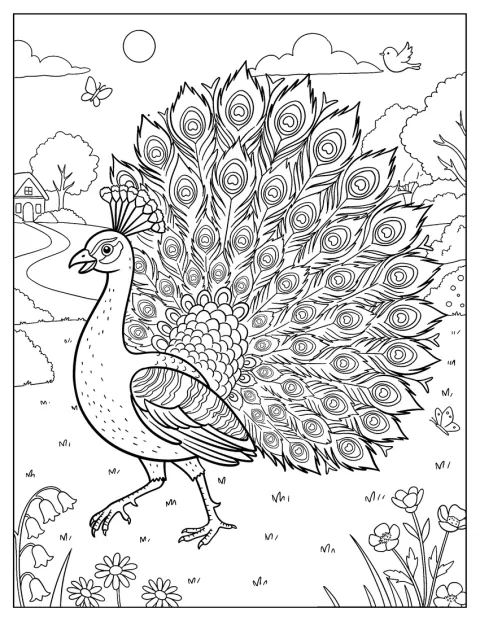
Realistic Peacock with Massive Tail Walking in a Field
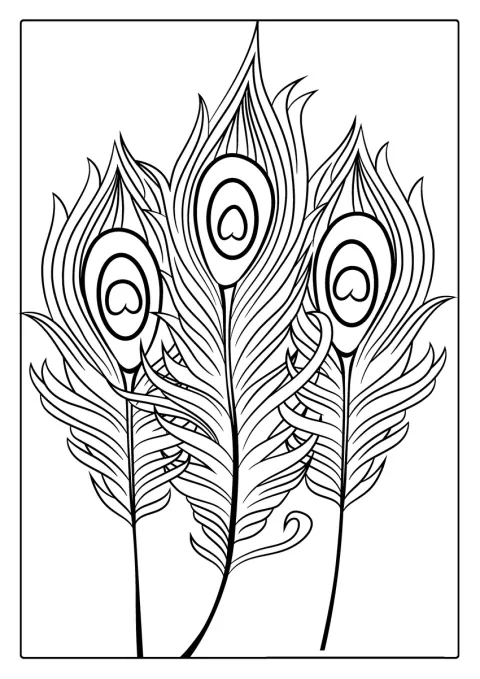
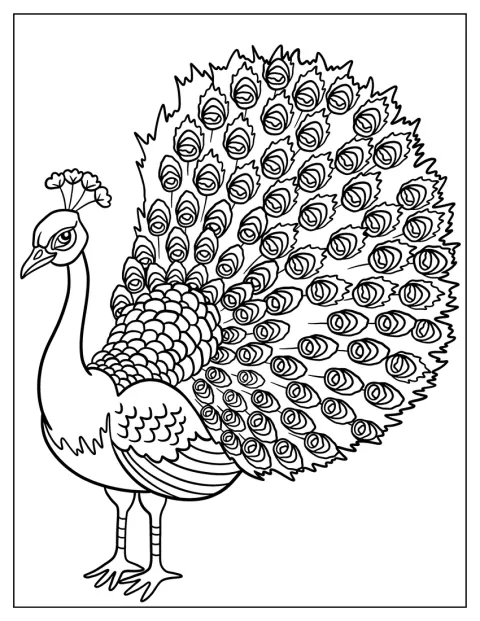
Peacock Bird Feather Coloring In
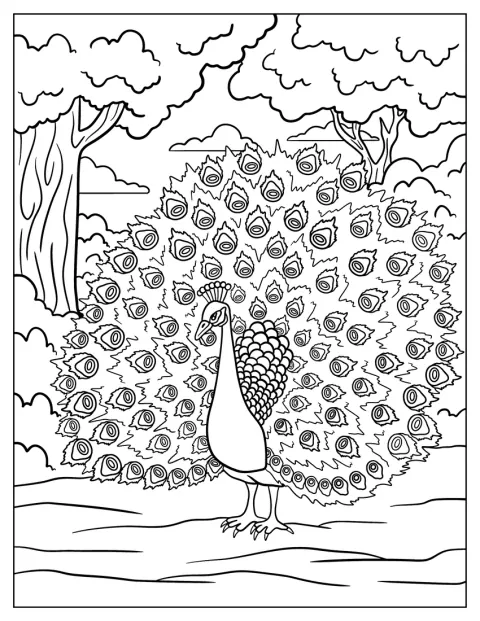
Peacock with Fully Fanned Tail in Forest Clearing Coloring Sheet For Adults
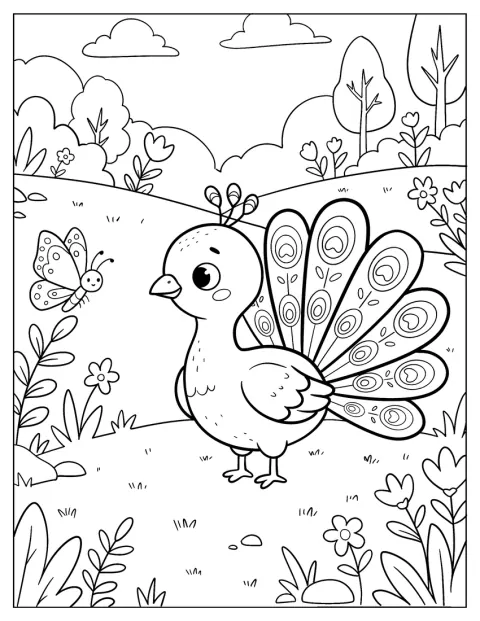
Peacock Watching a Butterfly in a Flower Garden Coloring Page
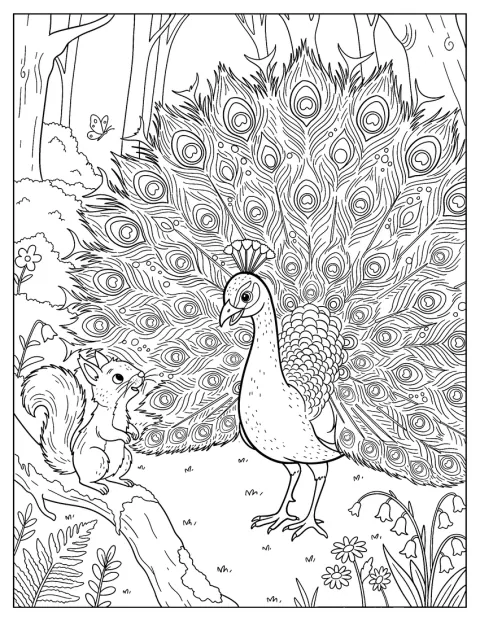
Peacock Showing Tail Feathers to a Squirrel Coloring Sheet
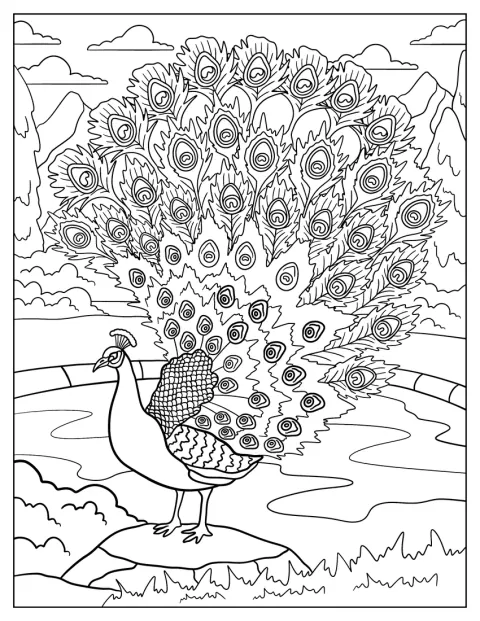
Peacock with Fanned Feathers by Mountain Pond Coloring Page
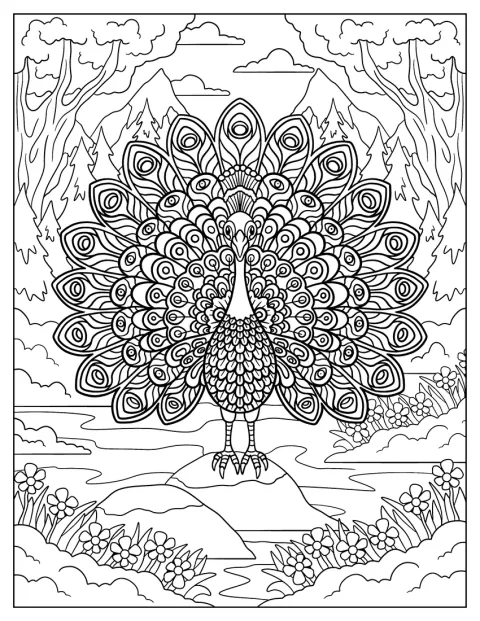
Peacock with Decorative Feathers In Woodland Meadow Coloring Sheet
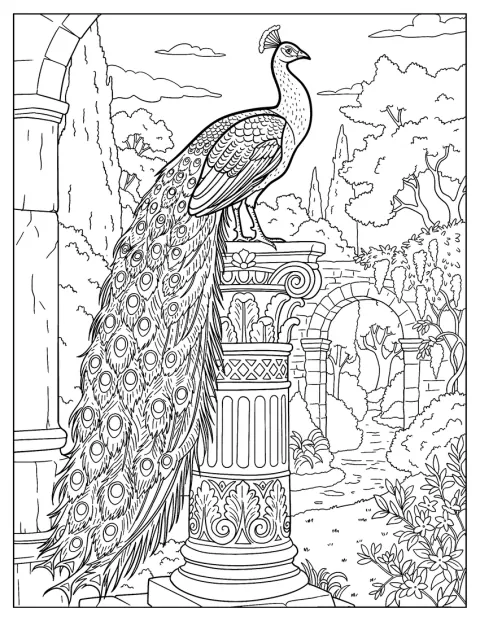
Peacock Perched on an Ancient Garden Column Coloring Page
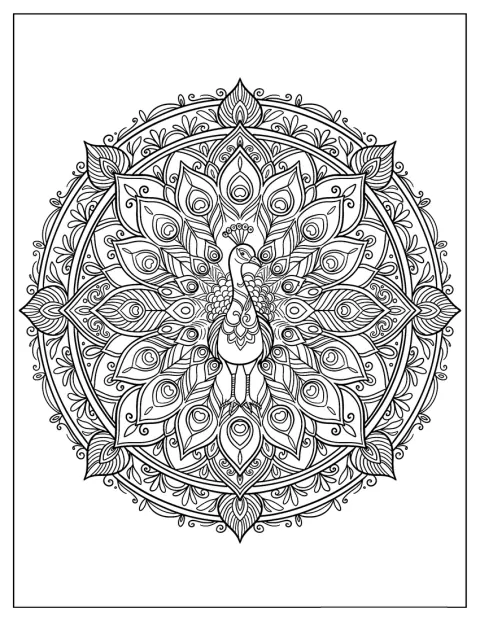
Peacock Mandala with Ornate Tail Feathers
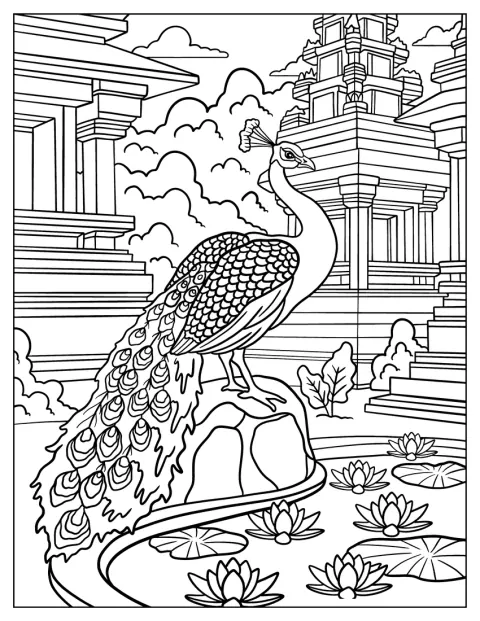
Peacock by Lotus Pond with Temple Background Coloring Page for Adults
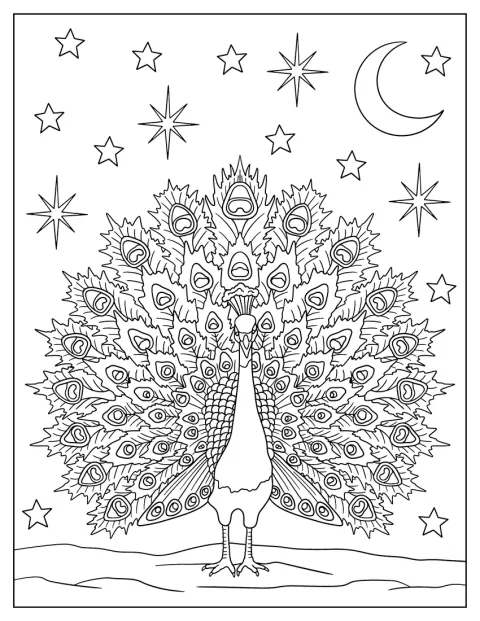
Peacock at Night with Crescent Moon and Stars Coloring Sheet
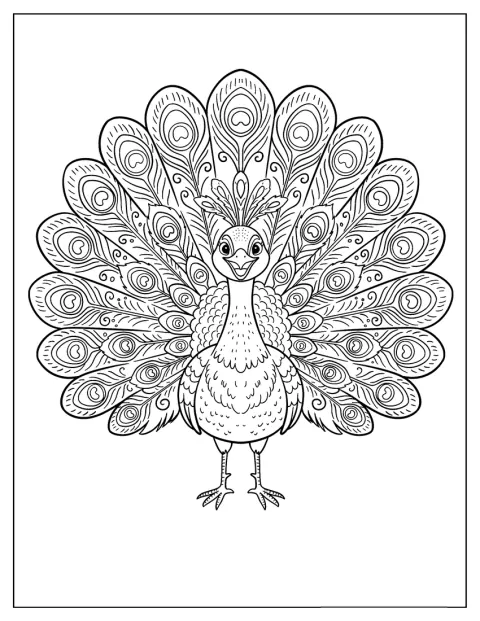
Peacock Displaying Ornate Fan Tail Feathers Coloring Page
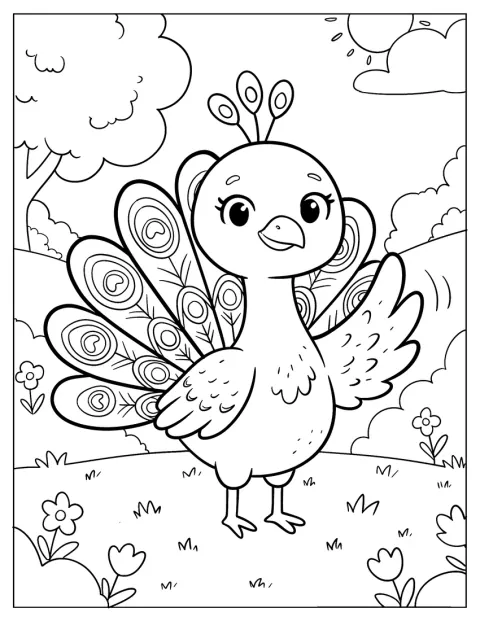
Little Peacock Waving in a Meadow Coloring Page for Kids
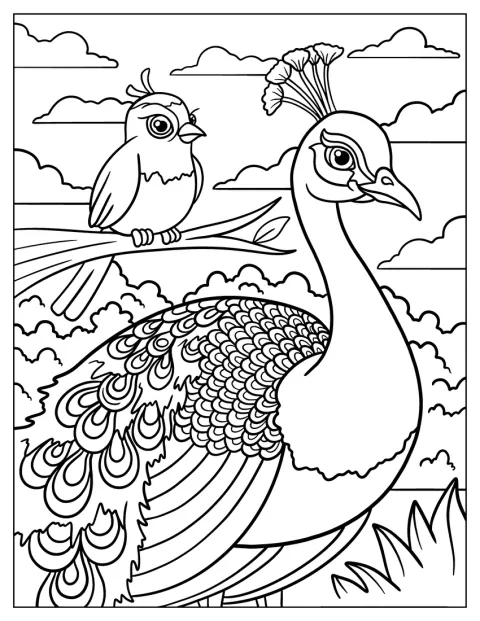
Peacock and Bird Under Cloudy Sky Coloring Sheet For Kids
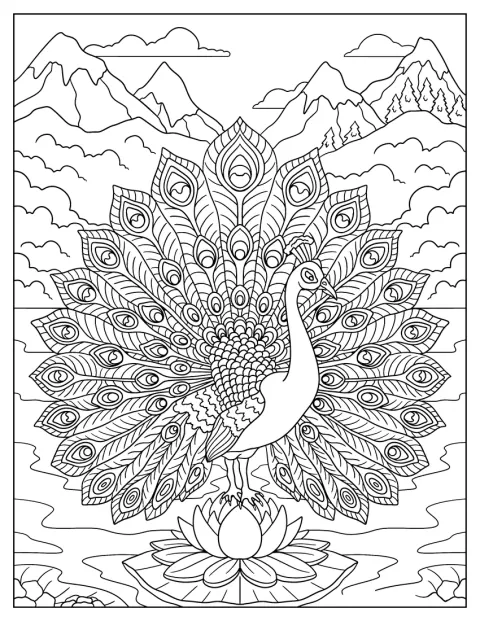
Mandala Peacock Standing on Lotus in Mountain Landscape
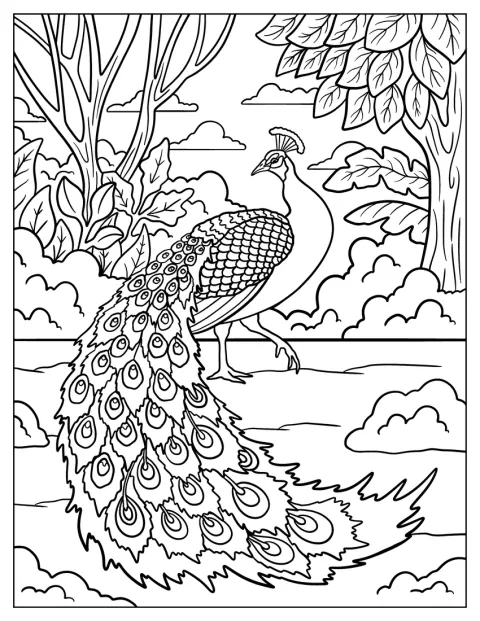
Majestic Peacock in Forest Landscape with Trees and Clouds
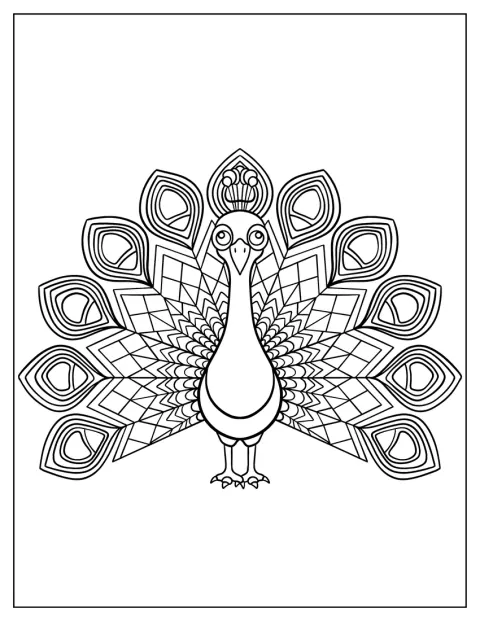
Geometric Peacock With Patterned Tail Coloring Page For Kids
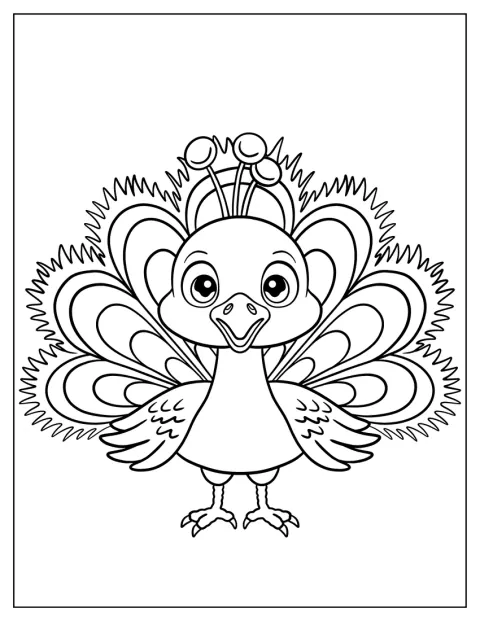
Easy Cartoon Peacock with Big Eyes and Simple Feathers Coloring Page For Kids
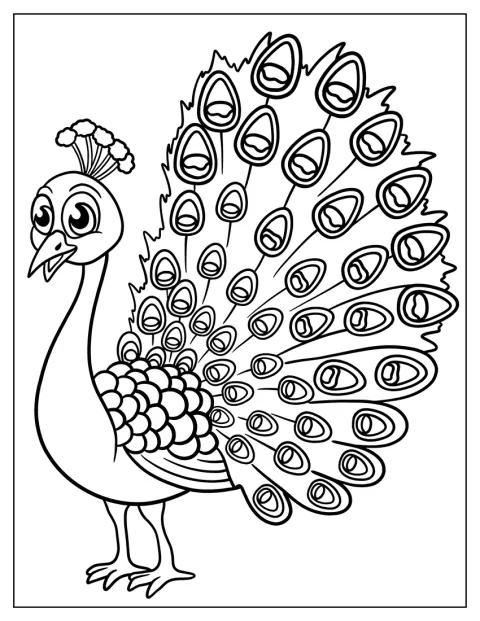
Cartoon Peacock Showing Off Fancy Tail Feathers Coloring Page For Kids
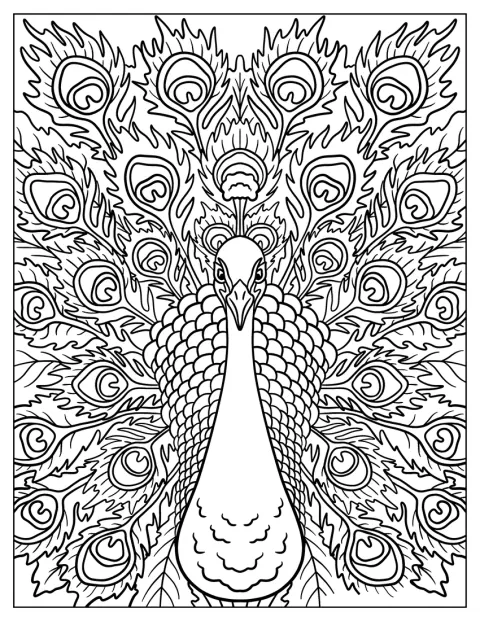
Full Page Peacock Close Up With Large Ornate Tail Feathers Coloring Sheet
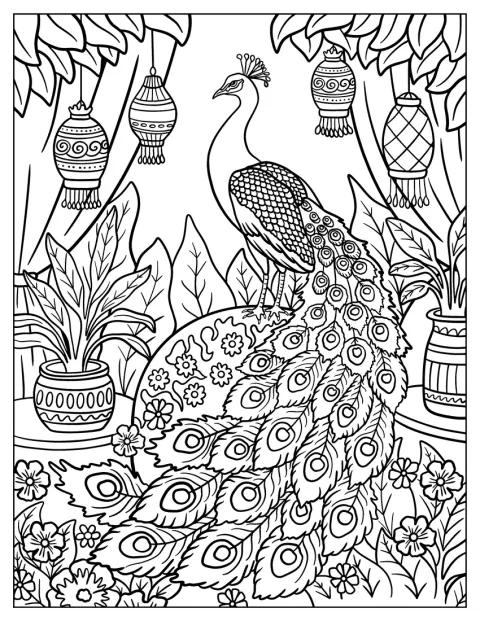
Elegant Peacock Among Hanging Lanterns And Potted Plants
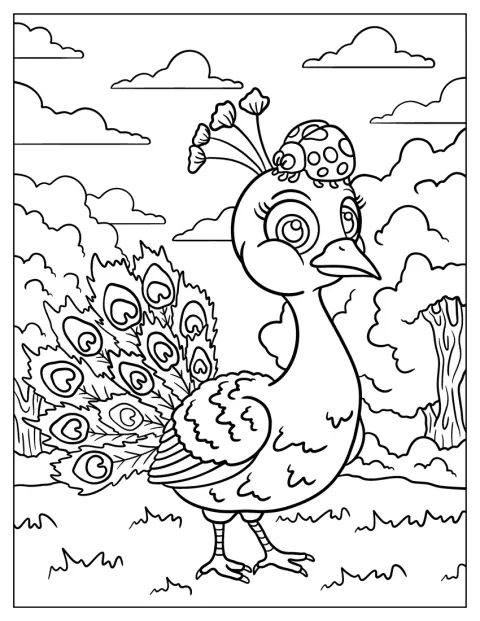
Cartoon Ladybug Sitting On Peacock with Flower Hat and Heart Shaped Tail Feathers
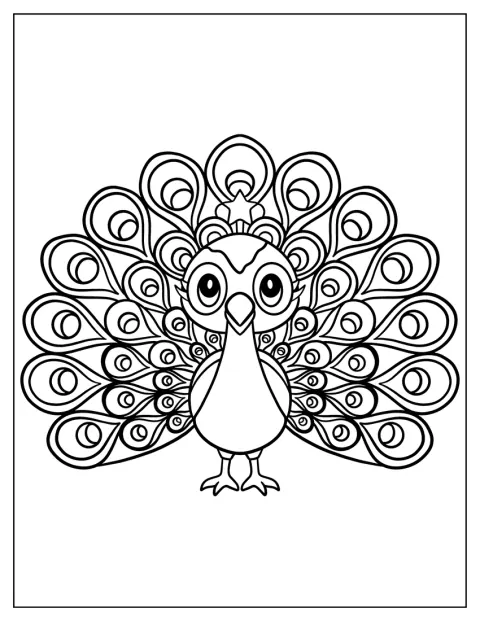
Cute Peacock with Fanned Feathers Coloring Page For Kids
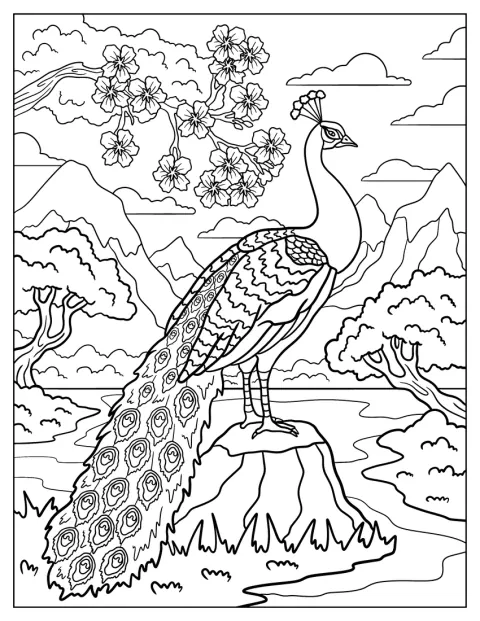
Peacock on Rock with Blossoms and Mountain Landscape Coloring Sheet
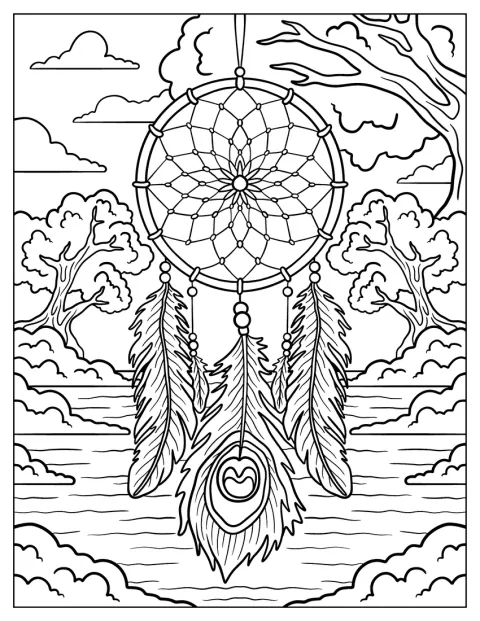
Dreamcatcher With Peacock Feathers Over River Landscape
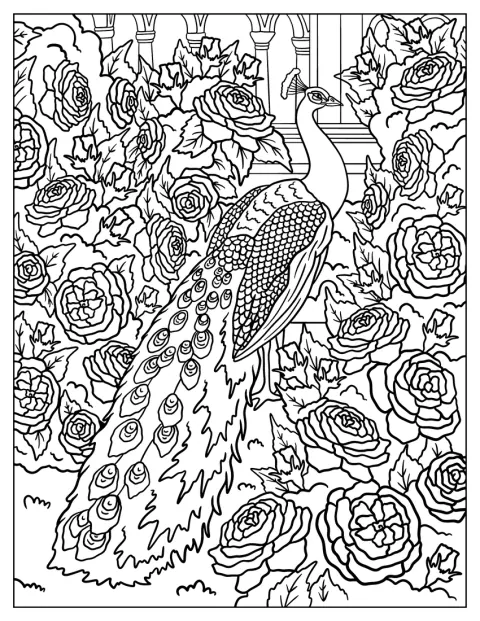
Peacock in Blooming Rose Garden with Architectural Details Coloring Sheet
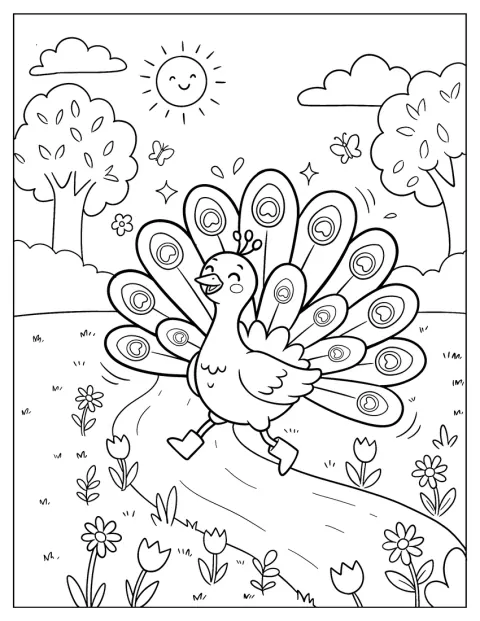
Happy Peacock Dancing in a Sunny Garden Coloring Sheet for Kids
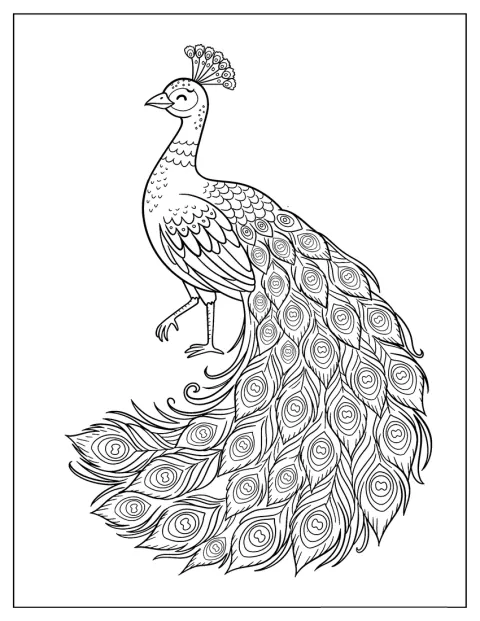
Elegant Peacock with Flowing Tail Feathers
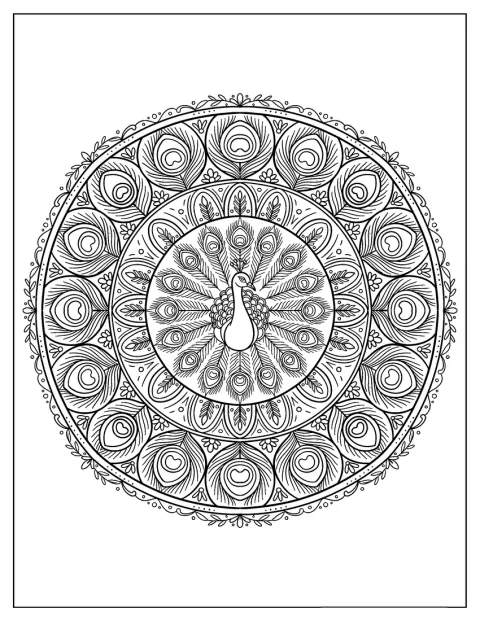
Circular Peacock Mandala with Detailed Feather Patterns
No picture found
The pictures in this collection are temporarily unavailable.
See the other collectionsFree Printable Peacock Coloring Pages
The gallery includes 36 peacock drawings, from a wide-eyed cartoon bird to a realistic peacock standing beneath forest trees. Some focus on the bird’s fan-shaped tail, while others place it among roses, lanterns, lotus flowers, or a mountain pond. There are open areas for simple coloring as well as feather patterns and garden details that invite a slower pace.
Pick a scene to match the mood: a peacock on an old garden column has a stately feel, while one watching a butterfly or greeting a squirrel gives you a small story to imagine. Night skies, meadows, and a river landscape offer different backgrounds to color around the bird.
Choose by Age and Coloring Level
For a 3-year-old, look for broad shapes and only a few surrounding details; an adult can help with the long tail feathers. A 7-year-old may enjoy a garden or meadow scene with a little more to color, while adults may prefer the mandalas and richly patterned feathers. The drawings range from easy outlines to complex compositions, so you can choose by attention span as well as age.
Easy Peacock Coloring Pages for Kids
The simple cartoon peacock has big eyes and clear feather shapes that are easy for small hands to fill. A sleeping baby in a tree nest keeps the scene calm and uncluttered, while a bird beneath a crescent moon and stars gives kids a few large background shapes to color.
For a little more storytelling, choose the peacock showing its tail to a squirrel or the smiling bird wearing a floral crown. These designs pair an expressive face or a single companion with the familiar fan of feathers, without making the whole page feel crowded.
Peacock Coloring Pages for Adults
Detailed designs make room for fine work: a circular peacock mandala repeats eye-shaped feather markings, and a close-up of the tail puts those patterns front and center. In the forest clearing, the full fan becomes the main feature; a realistic bird on a branch instead gives you feathers, bark, and foliage to distinguish.
Other scenes add layers around the peacock. Roses and architectural details create a garden with many small spaces, while hanging lanterns and potted plants bring a decorative setting. A peacock beside a lotus pond or among mountain blossoms combines the bird’s ornate plumage with a broader landscape, so colored pencils can be useful for the finer sections.
Colors for Peacock Feathers and Scenes
A natural-looking peacock can have a deep blue head and neck, green tones across the body, and bronze or copper accents in the tail. The feather markings, often called eyespots, are a good place to blend blue and green with a small ring of gold or teal. These are ideas rather than rules; a bright purple, turquoise, or rainbow fan works well for a playful illustration.
For the setting, use leafy greens and flower colors in the garden, or cool blues and purples for the moonlit scene. In a mandala, repeat the same small group of colors around the circle to make the feather patterns easy to follow.
Cute Peacock Coloring Pages
The cute designs keep the bird’s grand tail but give it a friendly, gentle expression. A baby peacock spreads its feathers in a garden, and another curls up for a nap in its nest; both make appealing choices for a short, relaxed coloring session.
Kids can give the smiling bird a bright crown and a cheerful fan, or add flowers and soft colors to the garden around it. If they want to make up a story, the peacock waving in a meadow or dancing in sunshine can be on its way to meet a butterfly or another bird.
Print Peacock Coloring Pages as PDFs
Choose a drawing, then select “Open the PDF” to view its file or “Print” to print it directly, including from a phone. Use the fit-to-page setting if you want the whole tail and background to stay within the paper edges. Plain paper works well with crayons and pencils; thicker paper is helpful for markers, especially on designs with large areas of color.