Octopus coloring pages
Choose from octopus coloring pages with friendly cartoon faces, underwater scenes, baby octopuses, and realistic sea life. Every page is free, with no account needed, and opens as a PDF ready to print. You’ll find easy outlines for young children as well as more detailed drawings for patient coloring.
Chibi Octopus Swimming With Fish Coloring Sheet
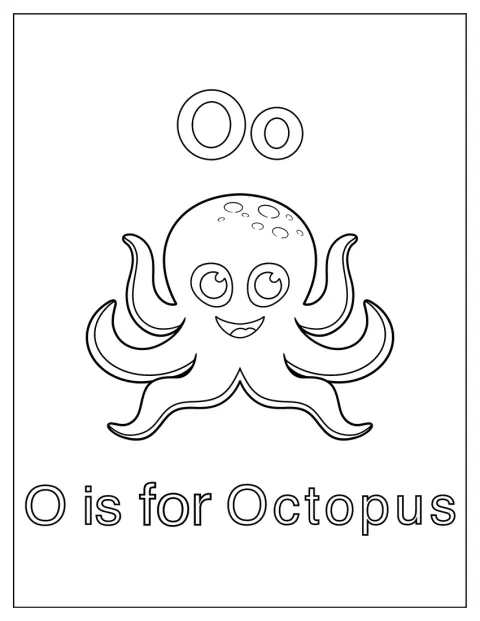
O Is For Octopus Coloring Sheet
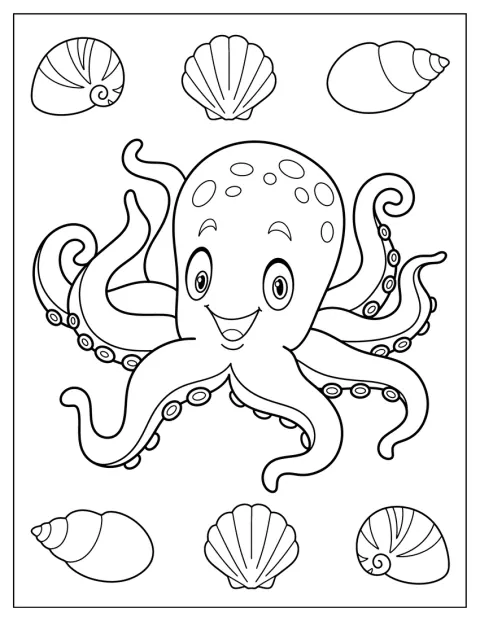
Cute Baby Octopus Coloring Sheet For Preschoolers
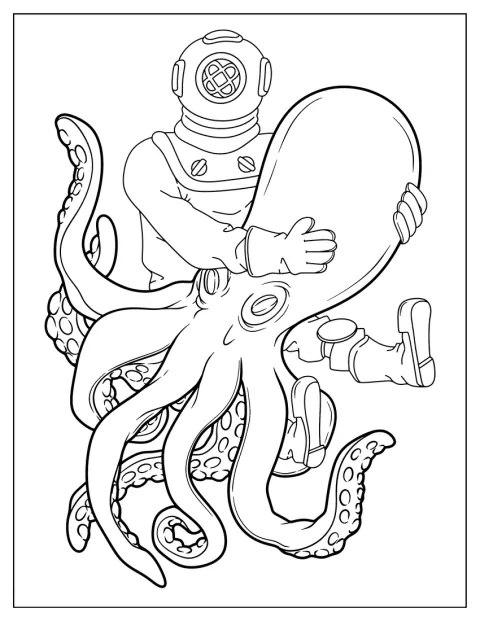
Vintage Diver Holding Octopus
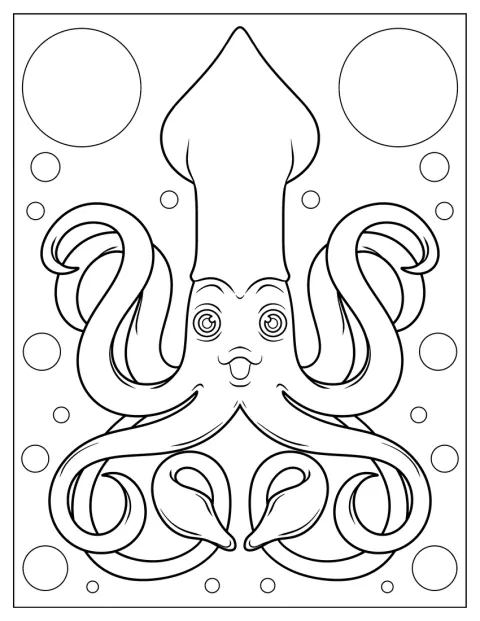
Smiling Octopus Squid Coloring Page For Kids
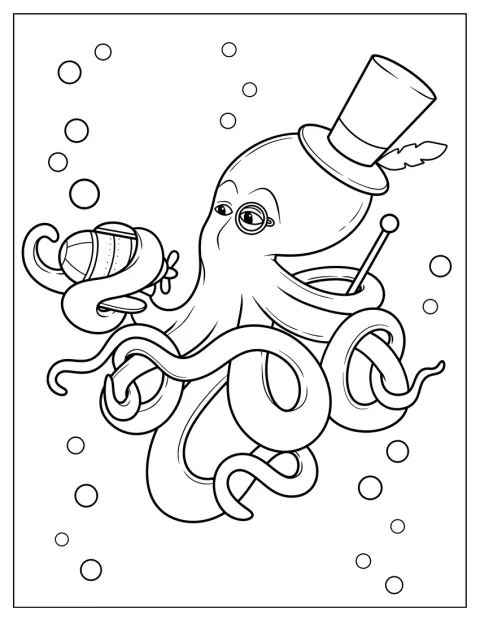
Octopus With Monocle And Top Hat Coloring Page
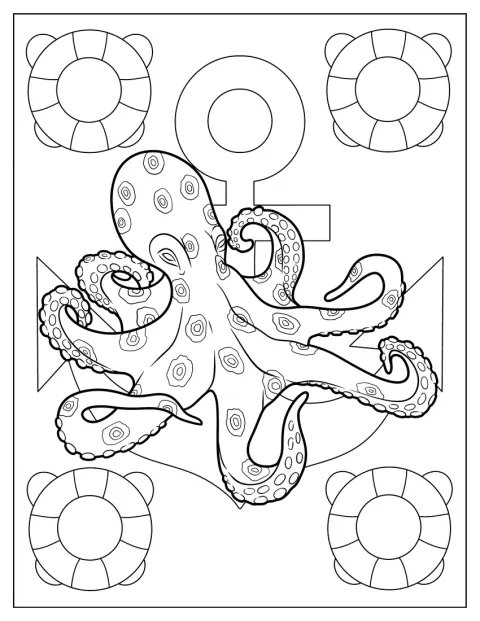
Blue Ring Octopus With Detailed Tentacles In Nautical Background
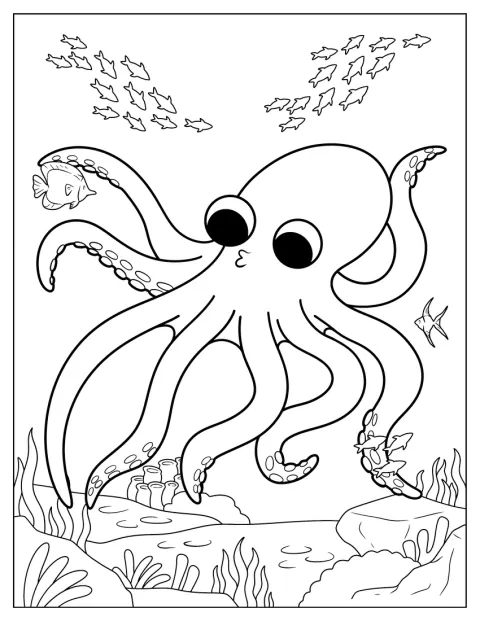
Kawaii Octopus Swimming With Fish Coloring Sheet
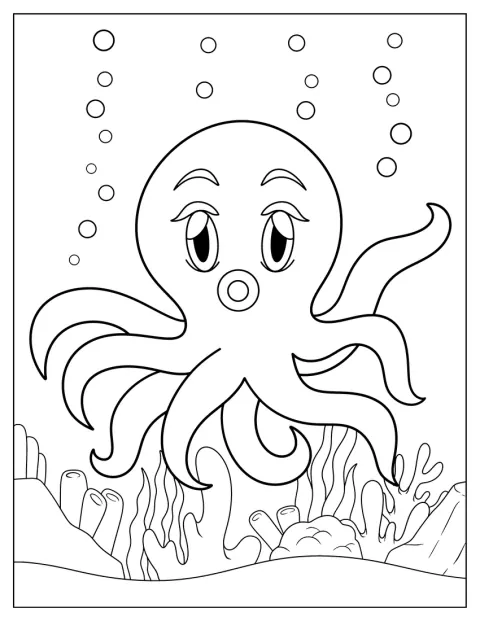
Kawaii Octopus Coloring Page For Kids
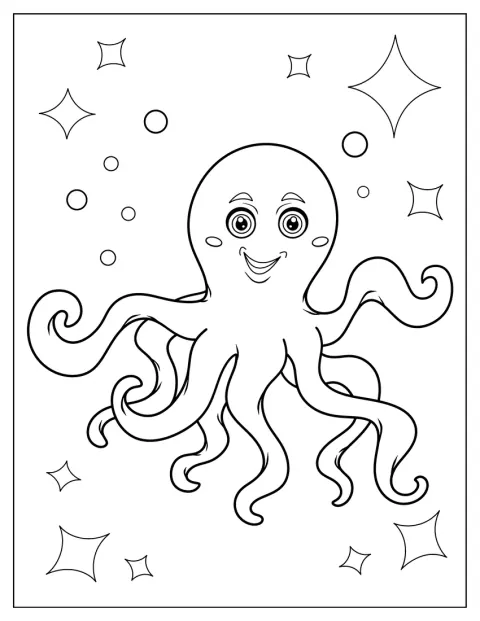
Smiling Cartoon Octopus
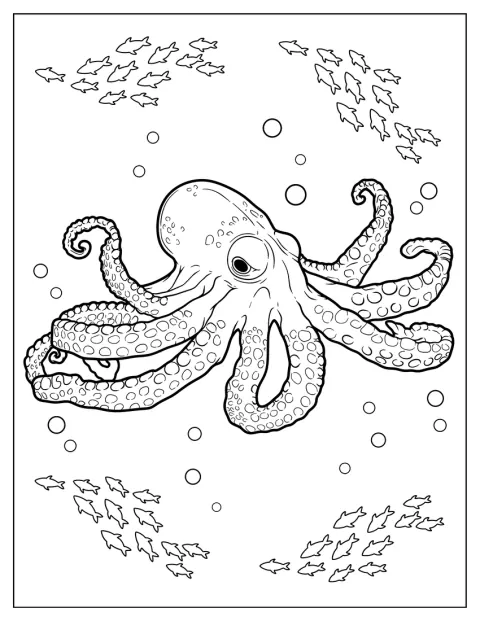
Scary Octopus Swimming In The Ocean
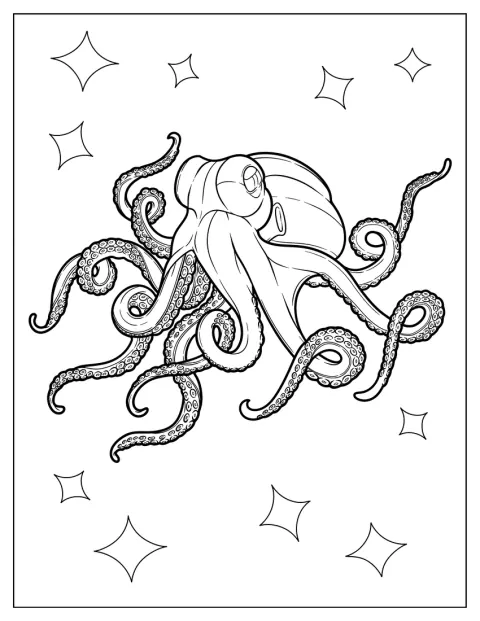
Realistic Smoothskin Octopus Coloring Page
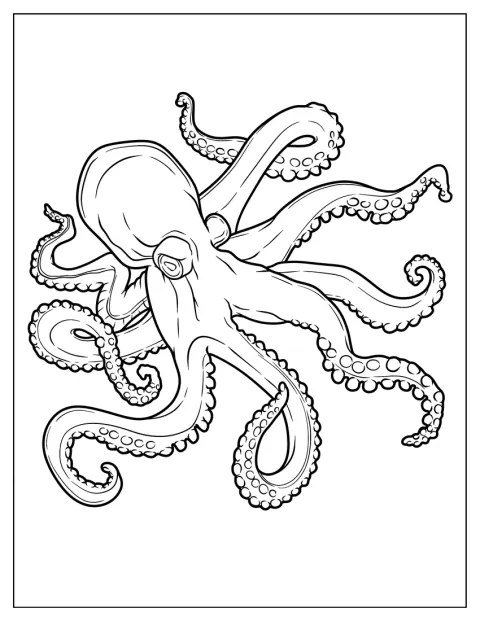
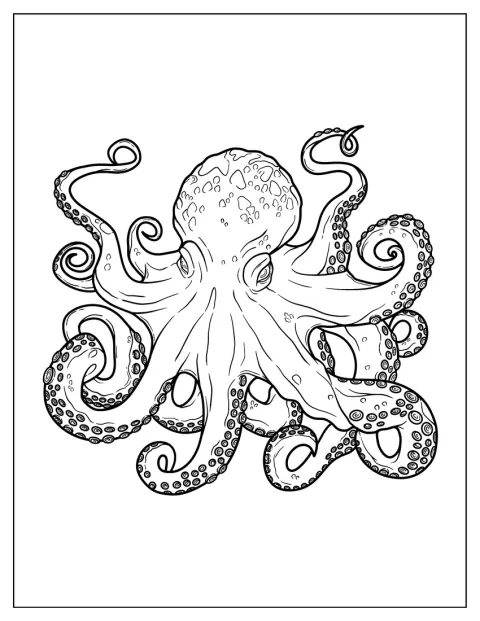
Realistic Octopus Outline Coloring Page
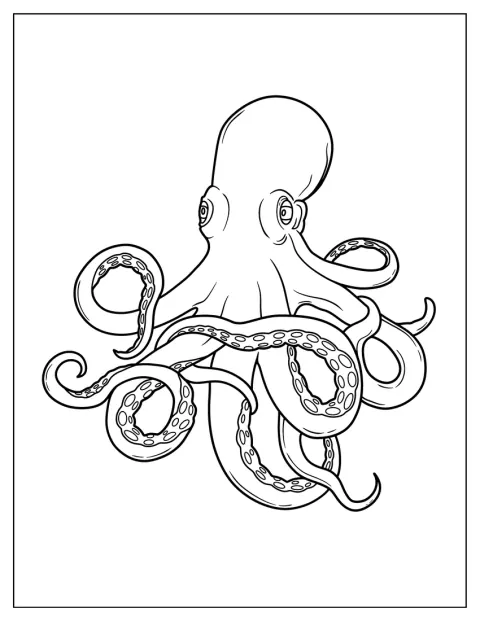
Pacific Octopus Outline Coloring Page
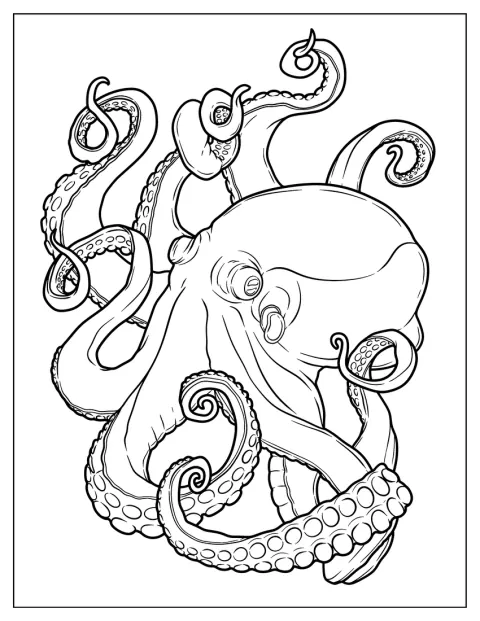
Macroctopus Outline Coloring Page
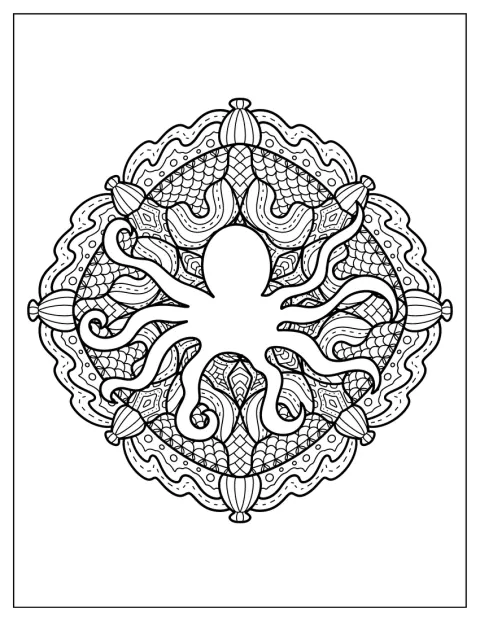
Intricate Nautical Mandala With Octopus In The Middle
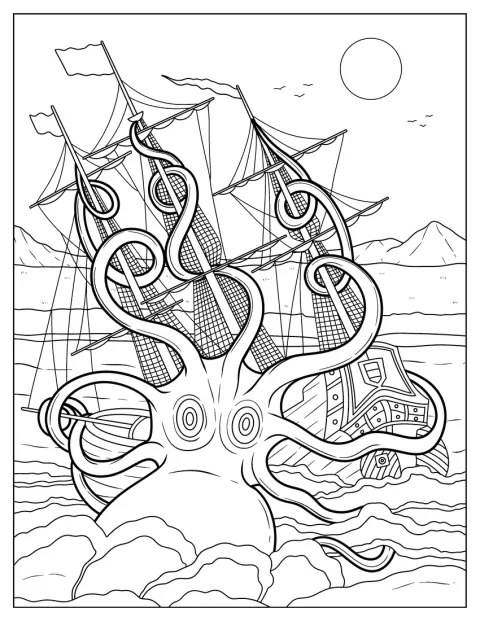
Giant Kraken Octopus Capturing Ship Coloring Page
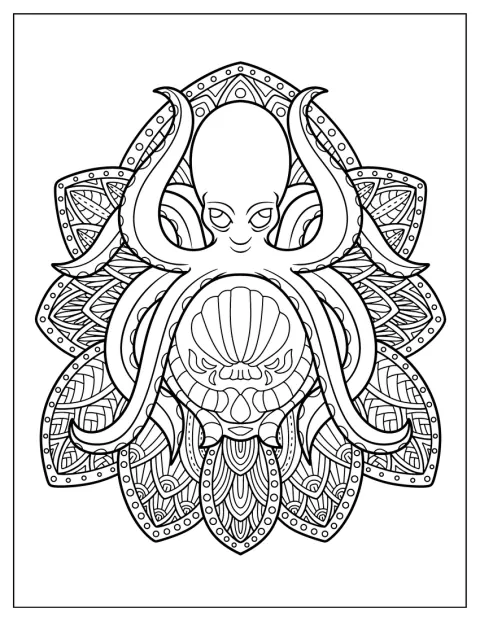
Easy Octopus Mandala Coloring Page
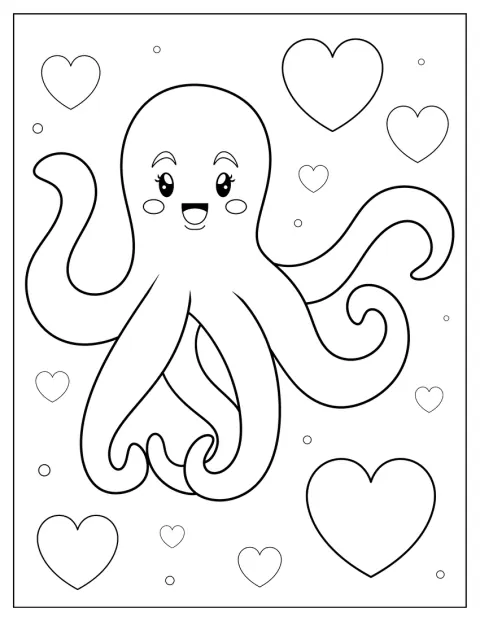
Easy Blushing Octopus Coloring Sheet For Preschoolers
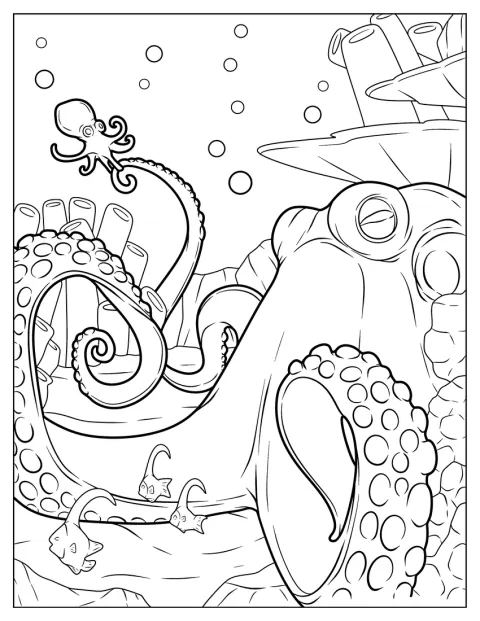
Baby Octopus Waking Mama Octopus Coloring Sheet
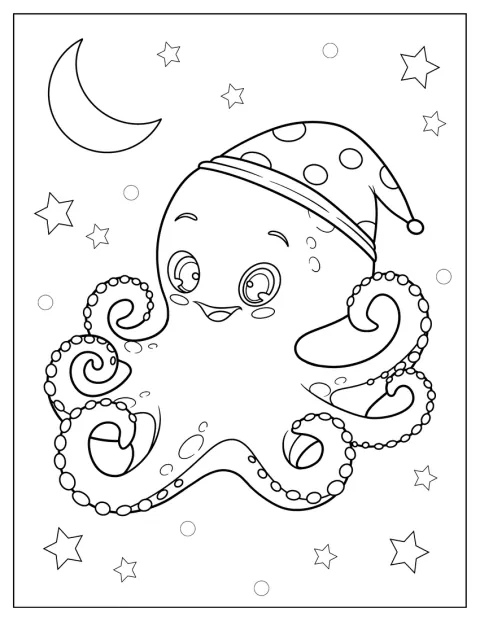
Octopus Wearing Night Cap Coloring Page
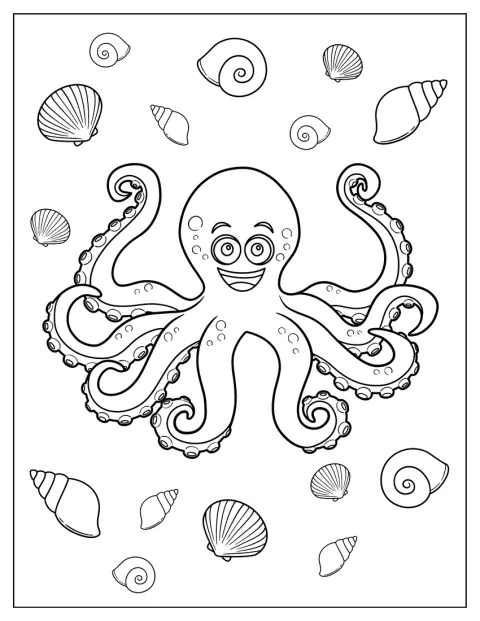
Grinning Cartoon Octopus In The Sea With Shells
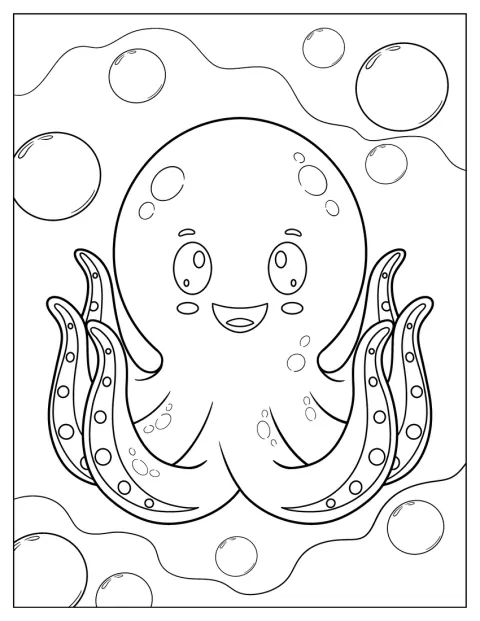
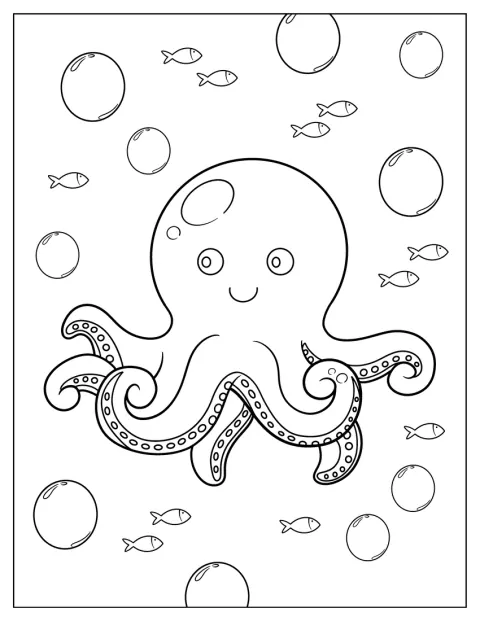
Cartoon Octopus With Bubbles Coloring Page
No picture found
The pictures in this collection are temporarily unavailable.
See the other collectionsFree Printable Octopus Coloring Pages
This gallery brings together 24 octopus drawings, from a simple Pacific octopus outline to an intricate nautical mandala. Pick a smiling cartoon for a quick activity, or choose an ocean scene with shells, fish, and bubbles when you want more to color.
Choose by Age and Coloring Level
For a 3-year-old, look for broad outlines and a clear space to fill; a preschooler can focus on one color at a time. Around age 7, many children are ready to try smaller details, add a setting, or make up a story about the animal. Adults may enjoy the fine patterns and lifelike details in the more intricate designs.
Easy Octopus Coloring Pages for Kids
The Pacific octopus outline and the blushing octopus for preschoolers keep the main shape easy to see, while the smiling cartoon and octopus in a nightcap add expressive faces without making the coloring complicated. An “O is for Octopus” picture can pair coloring with letter practice. For a little more of a scene, try the octopus swimming in the ocean or the vintage diver holding one; both give kids details to talk about as they color.
Some of the medium-level drawings offer a good next step. Bubbles, shells, and a fish make a sea scene more varied, while the octopus in a top hat and monocle invites a child to invent a personality. The kraken capturing a ship is a dramatic, legendary sea-monster scene rather than a realistic animal portrait.
Detailed Octopus Coloring Pages for Adults
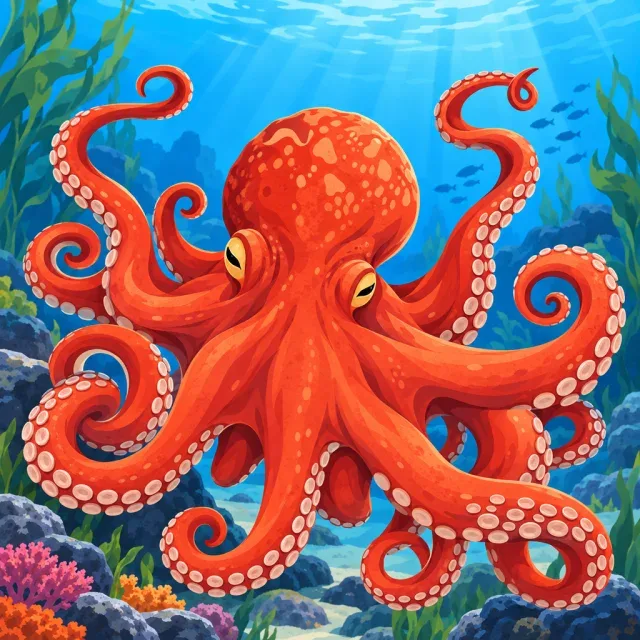
Realistic smoothskin and East Pacific red octopus drawings suit anyone who enjoys shaping a rounded mantle and tracing each curling arm. The blue-ring octopus pairs its patterned body with a nautical background, so there are small areas to color carefully. A mandala places an octopus amid repeating sea-inspired shapes; it works well when you want to slow down and focus on a pattern.
Cute Octopus Coloring Pages
Choose the baby octopus waking its mother for a tender little scene, or follow a chibi or kawaii octopus as it swims beside fish. Rounded features and cheerful expressions make these drawings approachable for children, while the fish offer an easy chance to add a contrasting color. The baby octopus by itself is a simple choice when you want to keep the page uncluttered.
A Simple Way to Recognize an Octopus
An octopus has eight arms lined with suckers, which help it grip and explore objects. Those arms are a useful detail to point out in both cartoon and realistic drawings. Unlike a squid, an octopus does not have two longer feeding tentacles in addition to its eight arms, so a picture labeled “octopus squid” is best treated as a playful blend rather than a guide to the animals.
An octopus can also change its color and skin texture to blend into its surroundings or communicate. Since the exact colors in these drawings are up to you, children can imagine a camouflaged animal among rocks, or give a cartoon octopus a bright, unexpected look.
Colors for an Octopus Under the Sea
For a natural-looking octopus, try reddish brown, orange, or muted pink, then use a lighter shade on the underside. Blue and turquoise can suggest cool ocean water, while sandy beige, green seaweed, and gray rocks help place the animal in a reef-like setting. These are coloring ideas, not fixed rules; real octopus colors vary, and the page can be as imaginative as you like.
On a blue-ring octopus drawing, make the rings stand out with bright blue against a warmer body color. For a cute cartoon, choose a single vivid shade for the head and arms, then use a different color for each fish or bubble.
Print Octopus Coloring Pages as PDFs
Open the drawing you want and choose “Open the PDF” to view its file, or select “Print” to send it straight to a printer, including from a phone. Use fit-to-page if the outline looks cropped in the preview. Thicker paper can help with markers, while colored pencils are useful for the tiny suckers and mandala details.