Mushroom coloring pages
Browse mushroom coloring pages filled with forest fungi, fairy scenes, mushroom houses, and playful toadstools. Every page is free, with no account needed, and opens as a PDF ready to print. You’ll find a few simple drawings for young children alongside intricate scenes with plenty of small details to color.
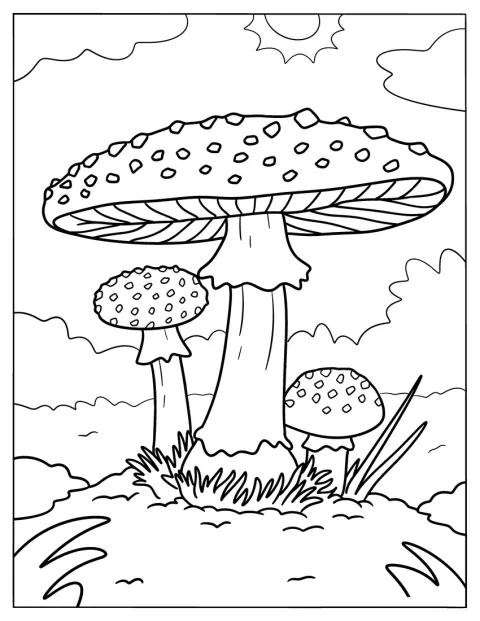
Three Fly Agaric Mushrooms Coloring Page For Kids
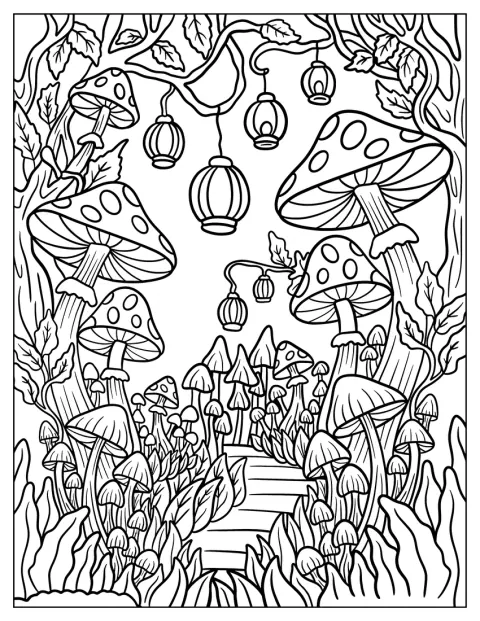
Lantern Trail Through the Enchanted Mushroom Grove Coloring Page
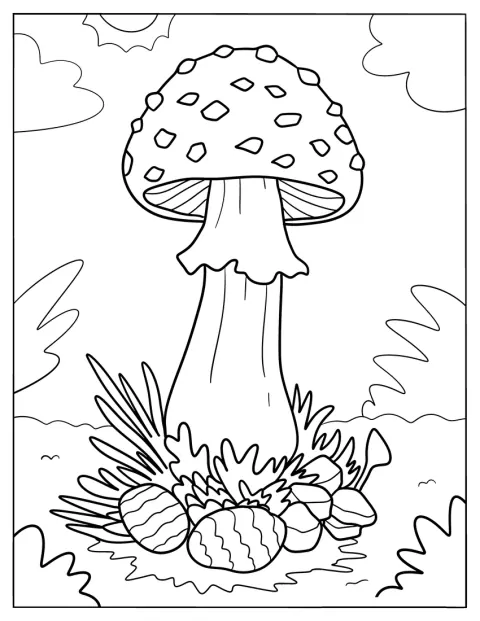
Tall Amanita Muscaria Mushroom Coloring Page
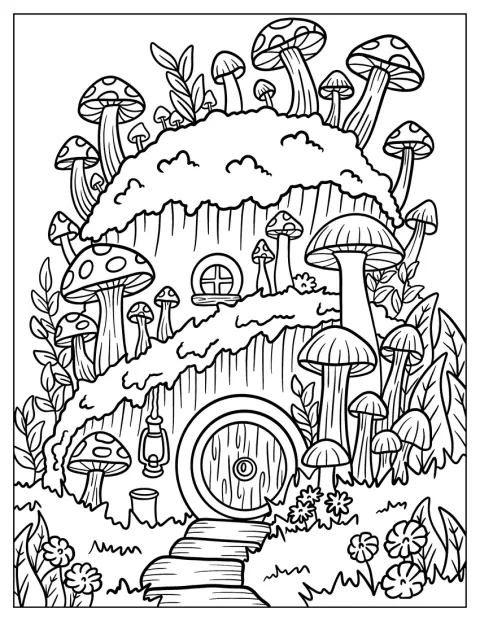
Hobbit Style Mushroom House Tucked into a Forest Hill Coloring Sheet for Kids
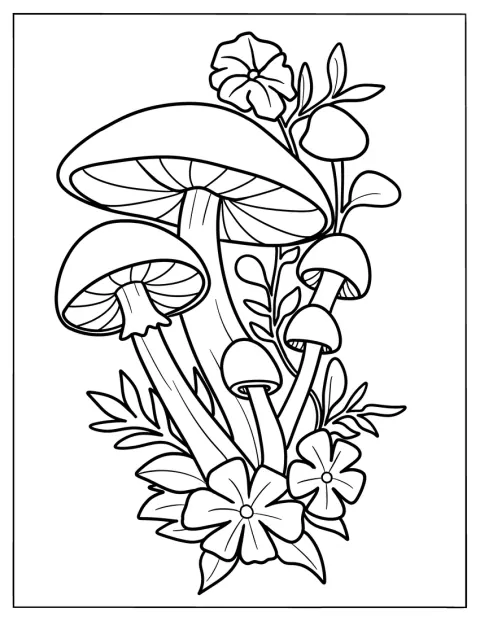
Realistic Mushrooms Growing With Flowers Coloring Page
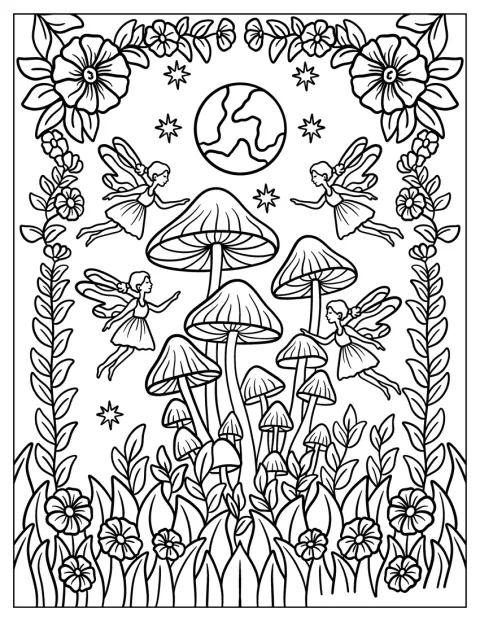
Fairies Dancing Around a Mushroom Ring Under the Moon Coloring Page
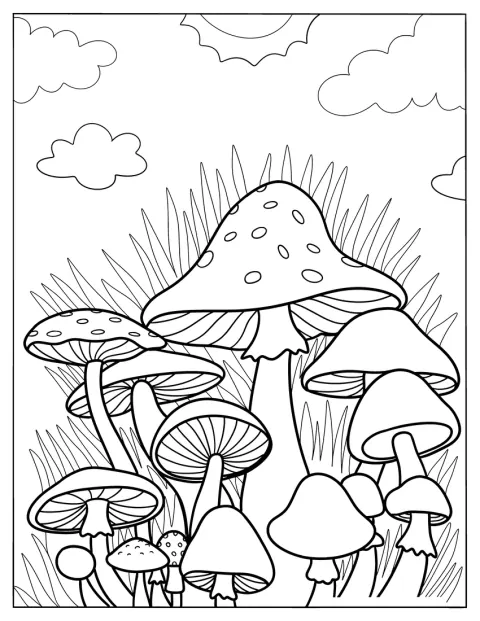
Realistic King Stropharia Mushrooms In The Forest
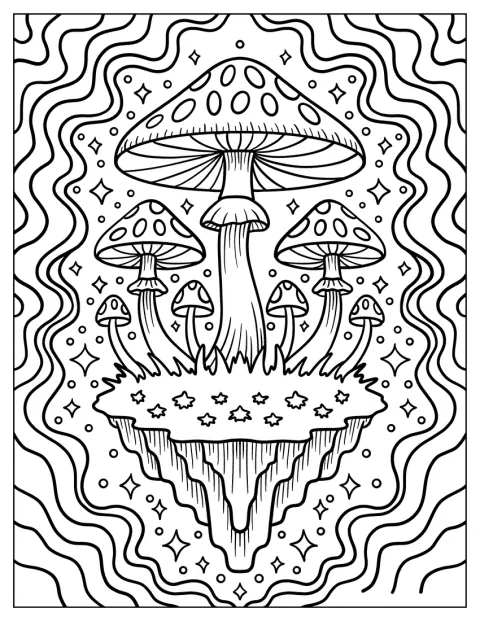
Floating Island of Mushrooms Surrounded by Stars and Wavy Lines Coloring Sheet
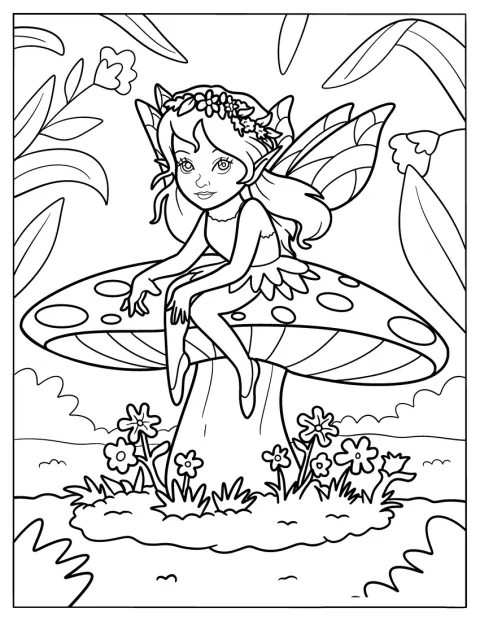
Pretty Fairy Sitting On A Mushroom Coloring Sheet
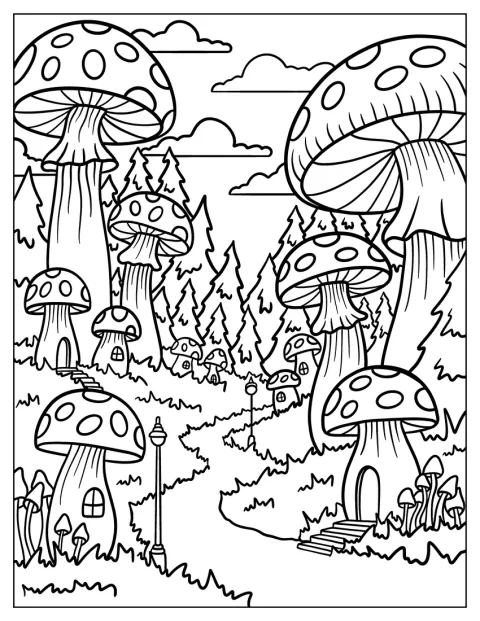
Enchanted Woodland Neighborhood with Mushroom Homes Coloring Page for Kids
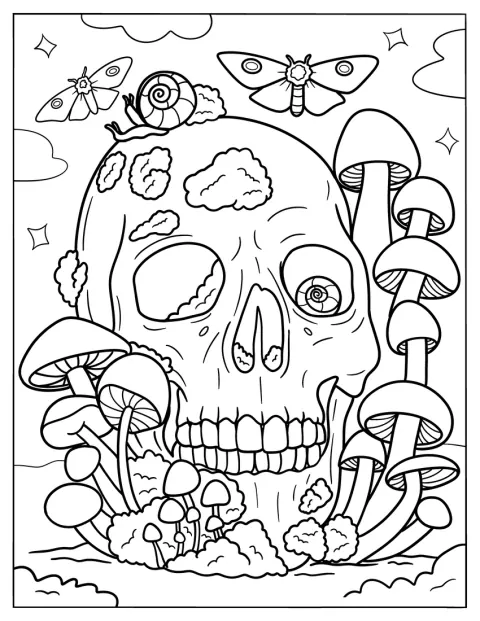
Mushrooms Growing Around A Skull
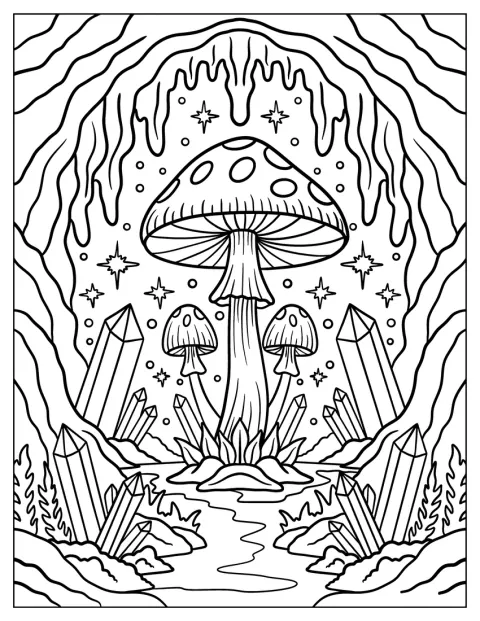
Crystal Cave with Glowing Mushrooms and Stalactites
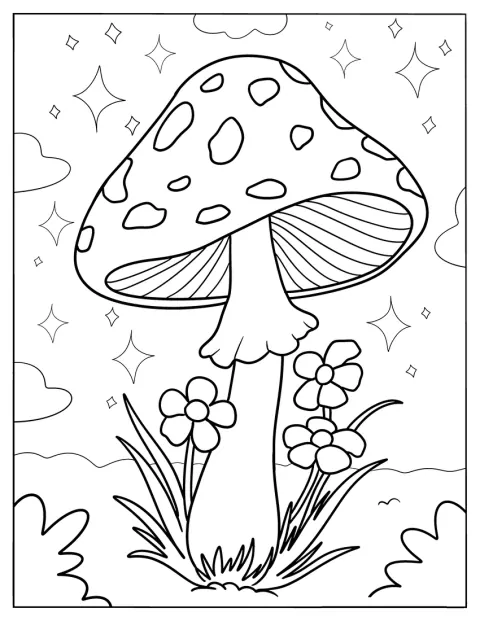
Mushroom With Spotted Cap And Sparkly Background Coloring Page
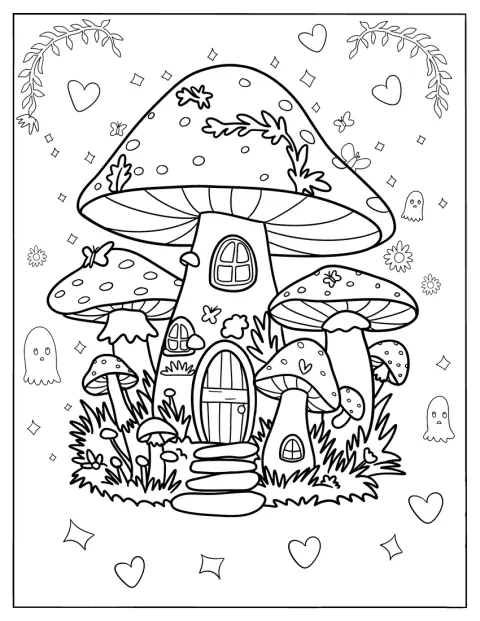
Mushroom Tower With Ghost And Floral Backgrounds Coloring Page
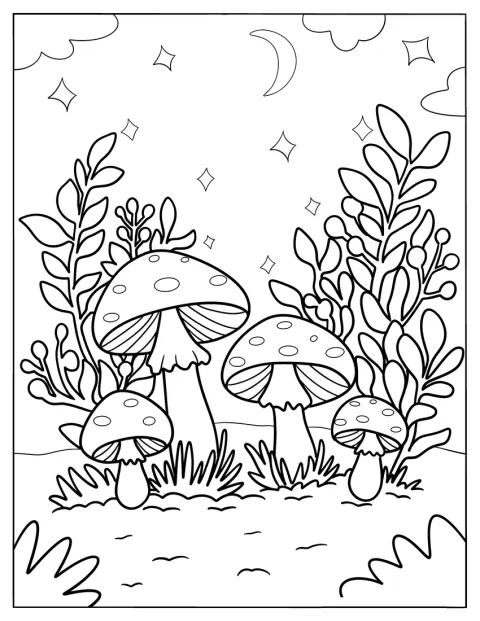
Large Mushrooms With Other Plants Under The Night Sky
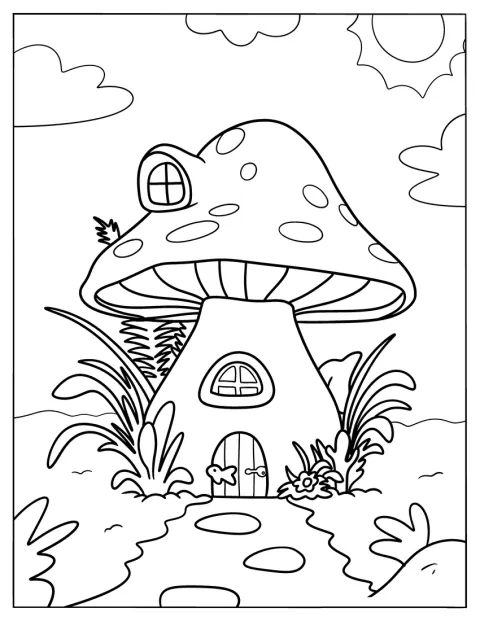
Mushroom House With Two Windows Coloring Sheet
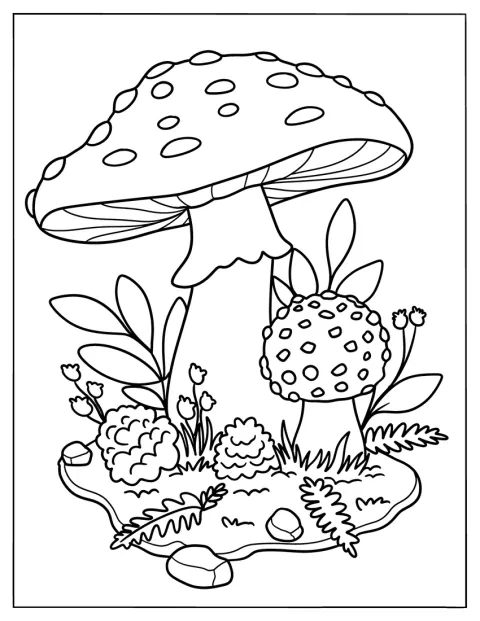
Large King Bolete Mushrooms Coloring Page
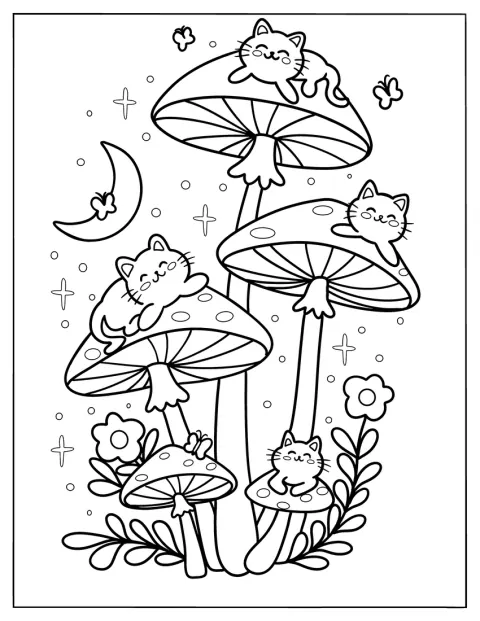
Kittens Sitting On Tall Mushrooms
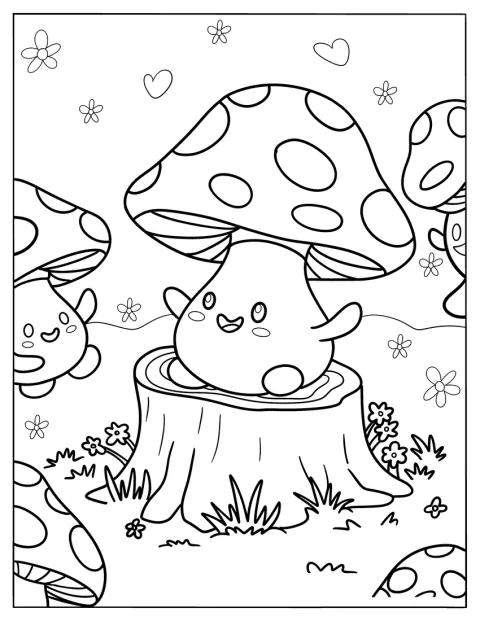
Kawaii Mushroom Sitting On A Tree Stump Coloring Sheet For Kids
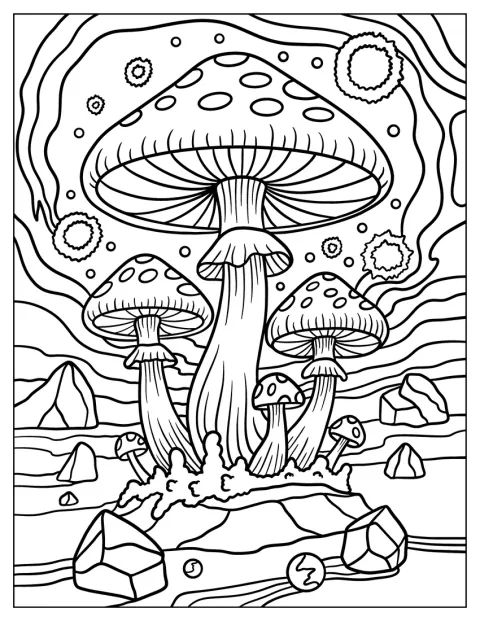
Alien Landscape with Giant Mushrooms and Floating Cosmic Spores Coloring Sheet
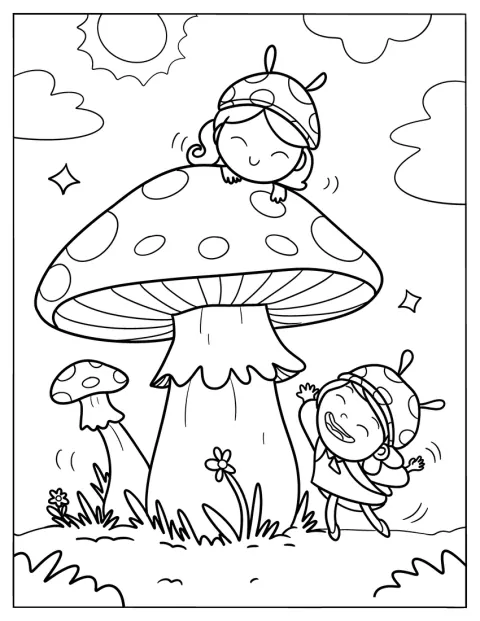
Kawaii Girls Playing With A Giant Mushroom Coloring Page
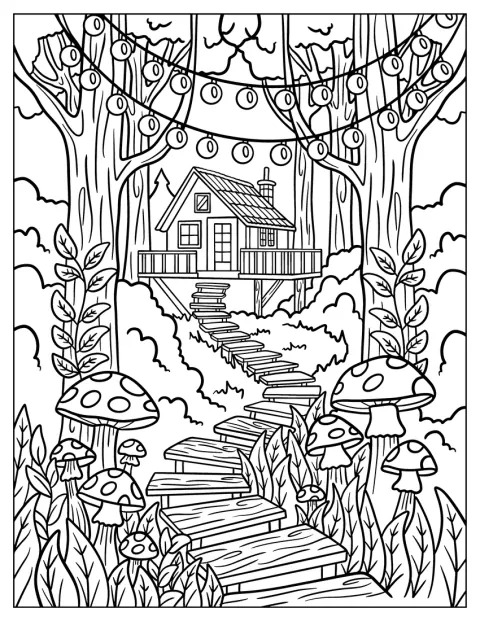
Woodland Cabin at the End of the Mushroom Path
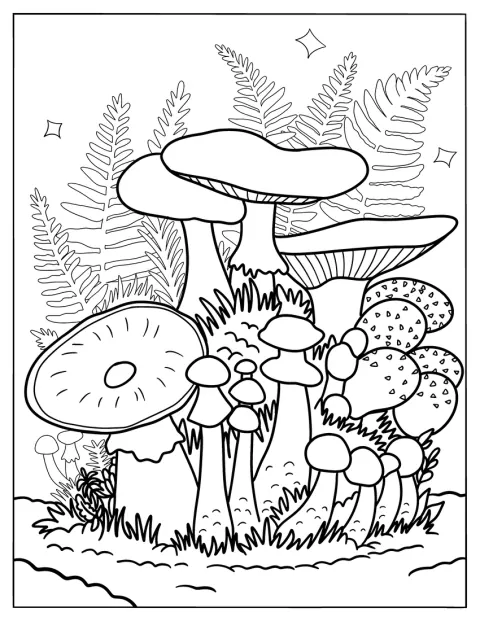
Jack O Lantern Mushrooms Coloring Sheet
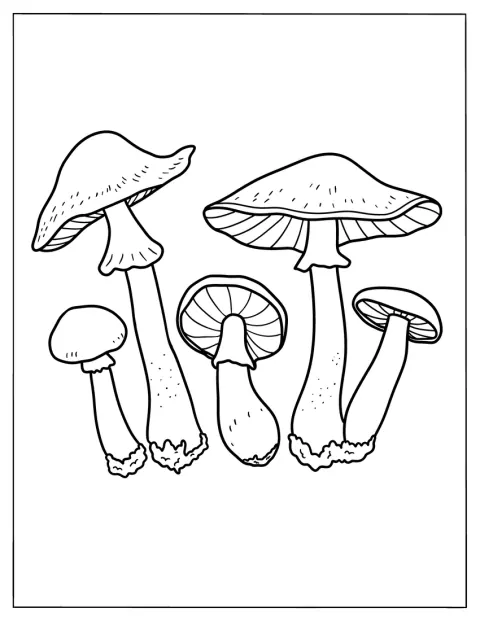
Honeycup Mushrooms Coloring Sheet
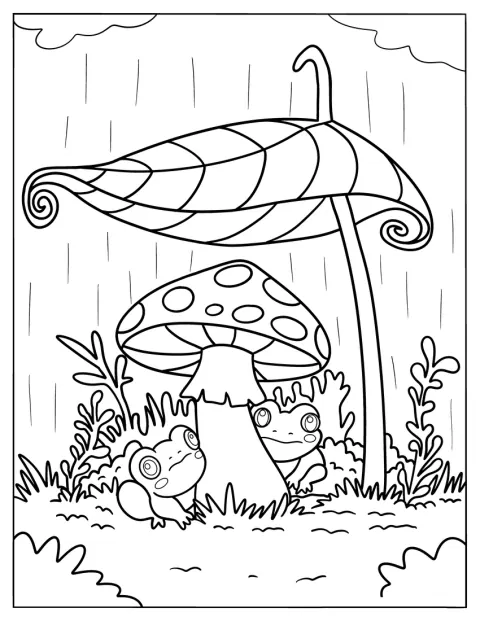
Frogs Sheltering Under A Mushroom Coloring Page
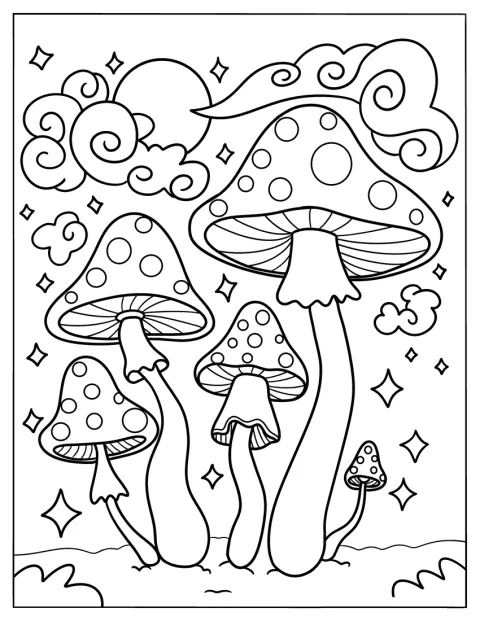
Fantasy Mushroom With Sparkles Coloring Page
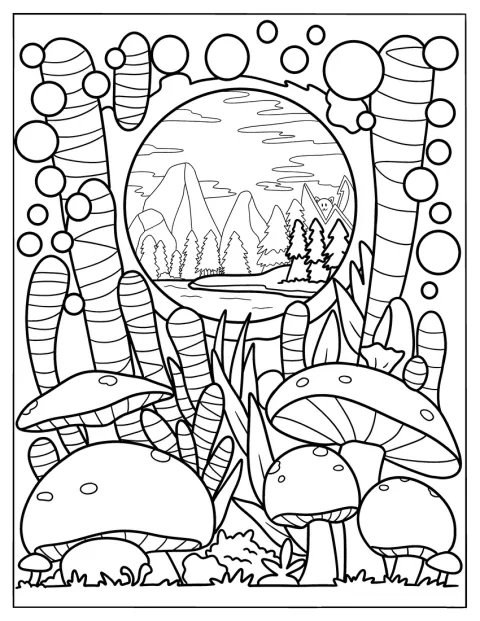
Fantastical Mushrooms Coloring Sheet
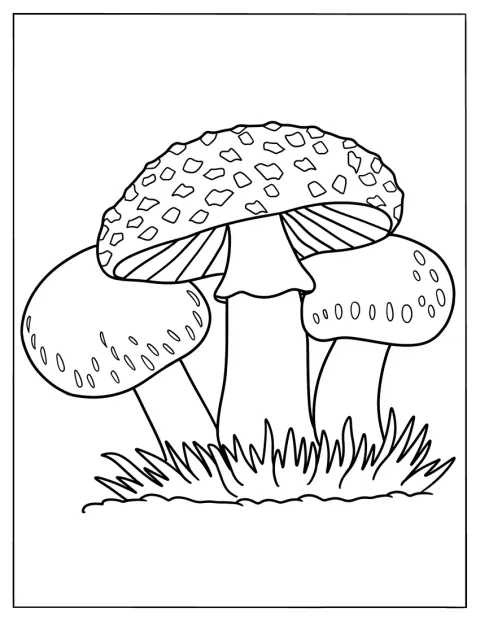
Easy Fly Agaric Mushroom Surrounded By Grass Coloring Page For Kids
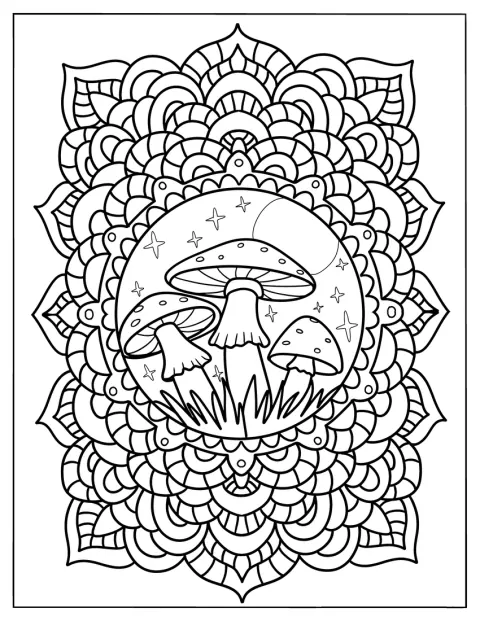
Complex Mushroom Mandala Coloring Page
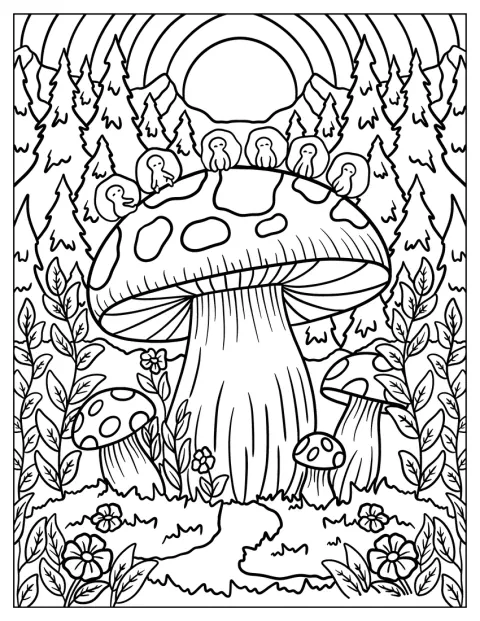
Woodland Birds Resting on a Mushroom at Dawn Coloring Page for Kids
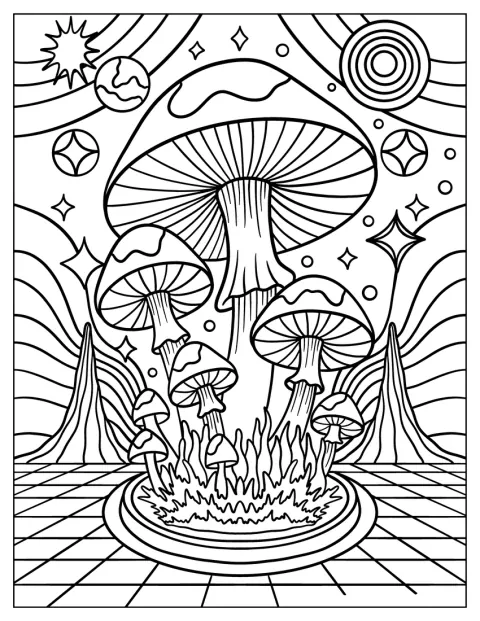
Trippy Mushroom Garden Beneath the Stars Coloring Sheet for Kids
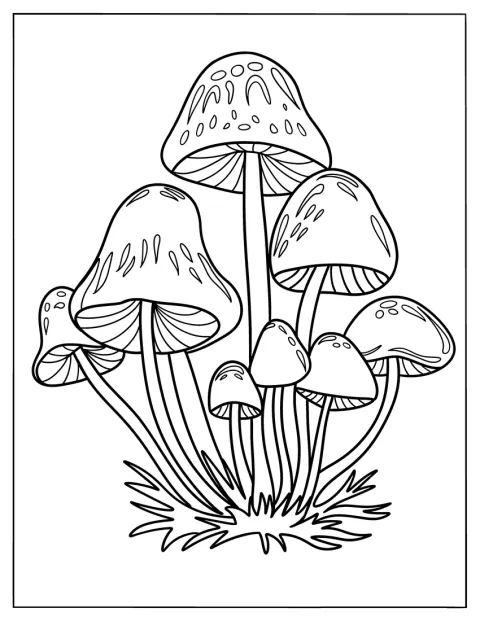
Bell Shaped Mushrooms Coloring Page For Kids
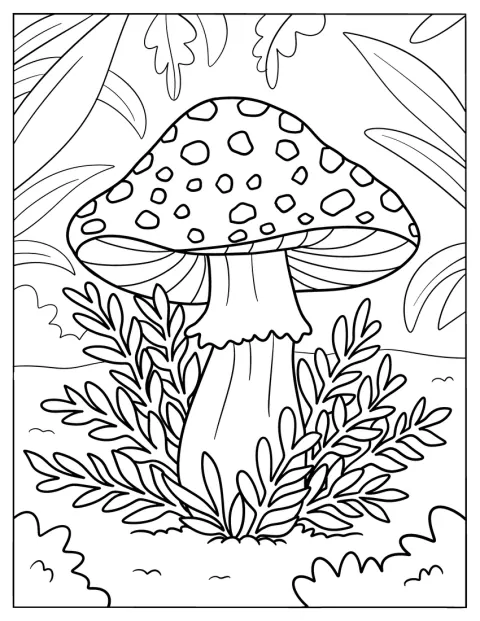
Beautiful Mushroom Growing With Weeds Coloring Page

Stay Wild, Grow Free Forest Mushroom Cottage Coloring Page
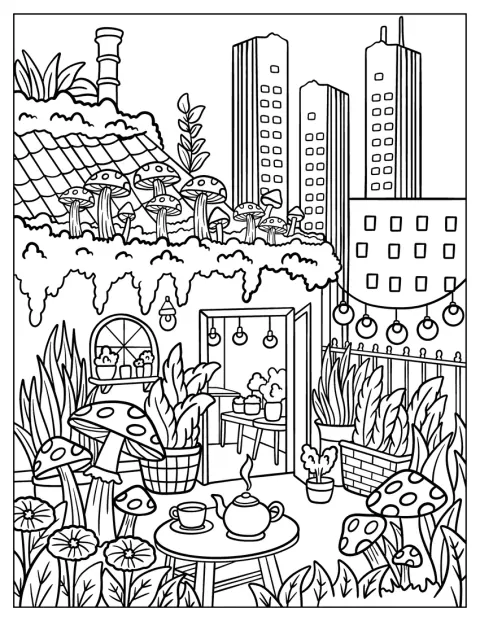
Rooftop Tea Time in a Mushroom City Garden Coloring Page
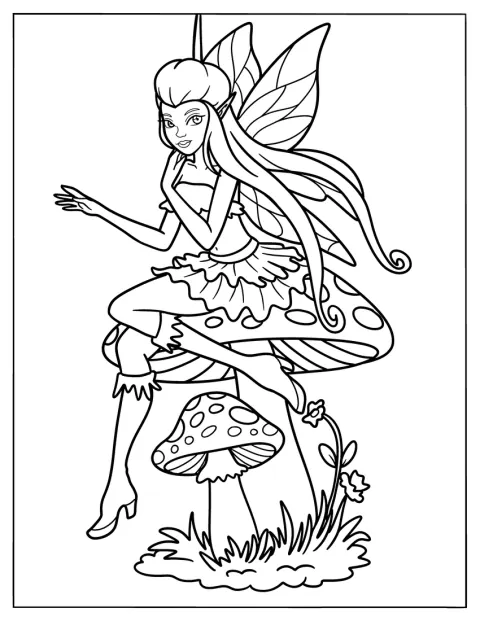
Beautiful Fairy Lounging On Top Of A Mushroom
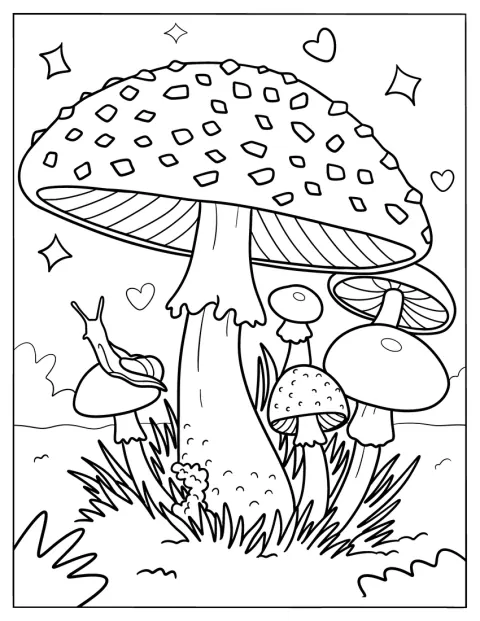
Amanita Muscaria Mushroom With Snail Coloring Sheet
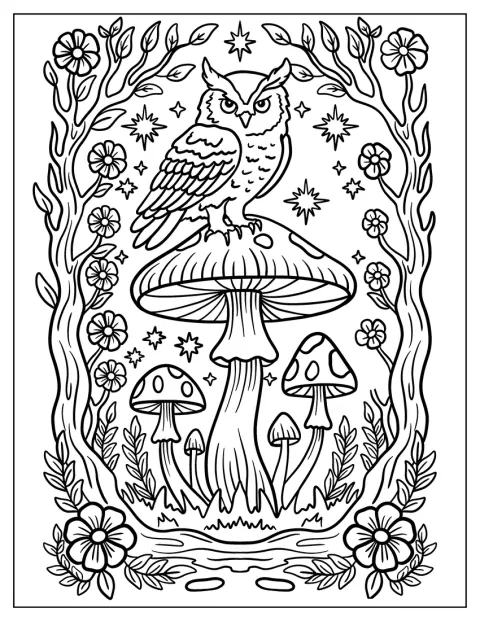
Owl Perched on Mushroom Surrounded by Forest Flowers and Stars
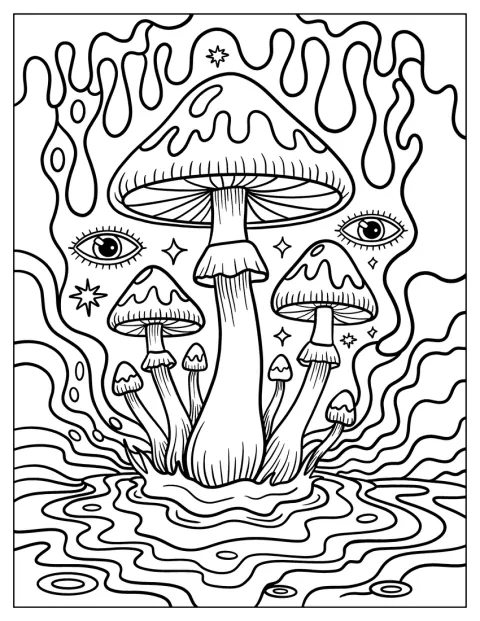
Mushrooms Rising from Rippling Water with Eyes and Psychedelic Patterns
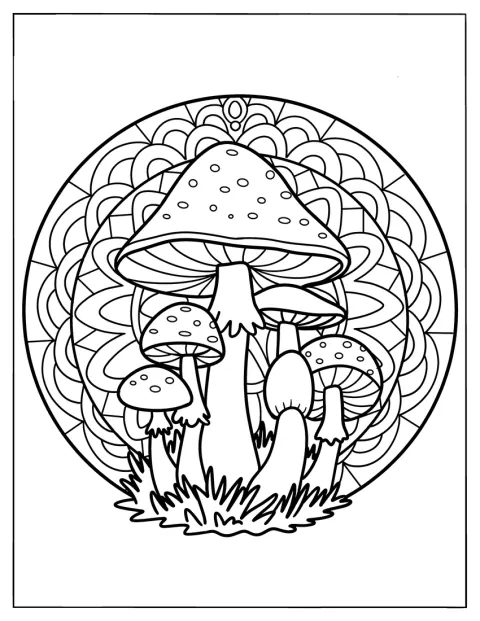
Mushrooms In Front Of A Mandala Coloring Page
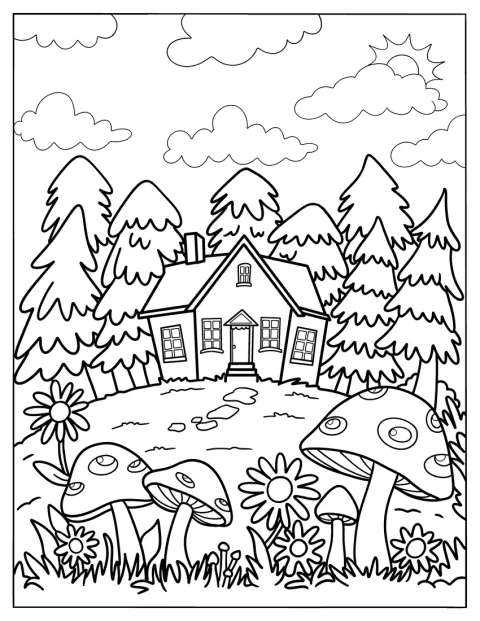
Massive Mushrooms Growing Around A Small House
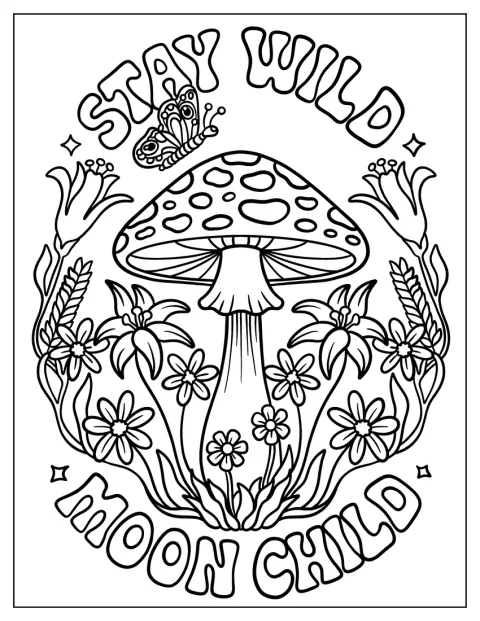
Mushroom Surrounded by Wildflowers with “Stay Wild Moon Child” Quote
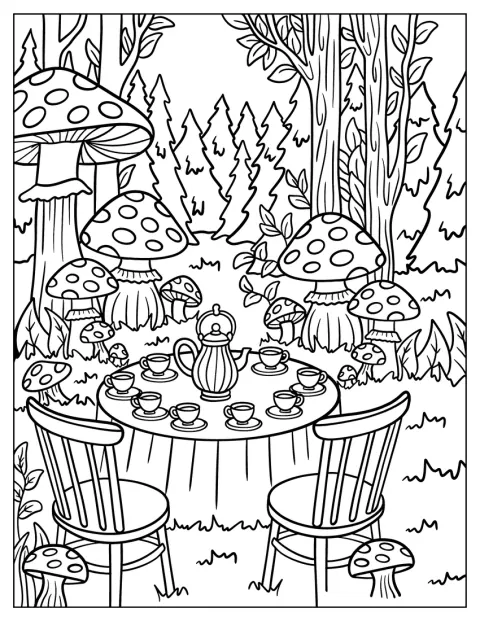
Mushroom Grove Tea Party in the Woods Coloring Sheet
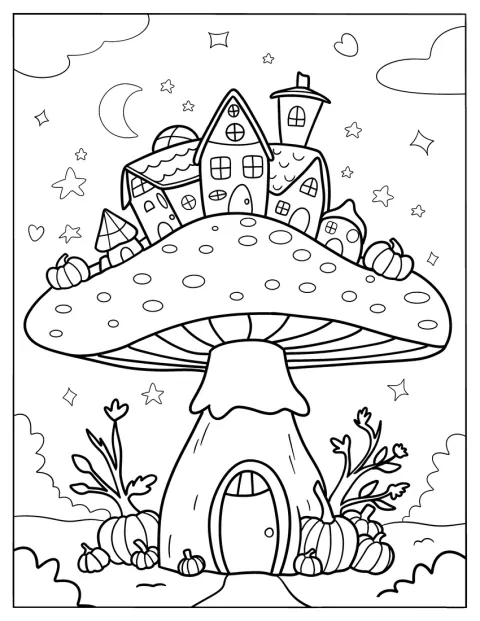
Tiny Houses And Pumpkins Growing On Top Of A Mushroom House Coloring Page
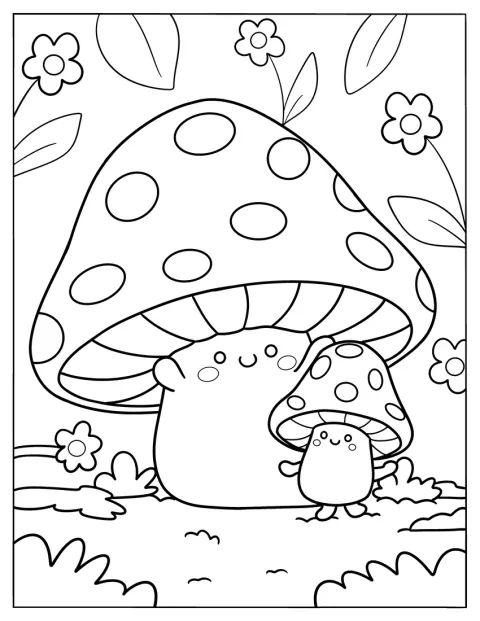
Big And Small Cartoon Mushrooms In The Garden Coloring Sheet For Kids
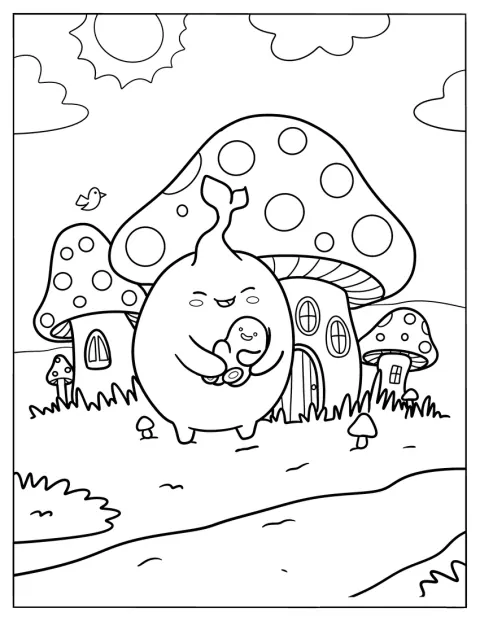
Grinning Monster Standing In Front Of Mushroom Houses Coloring Page
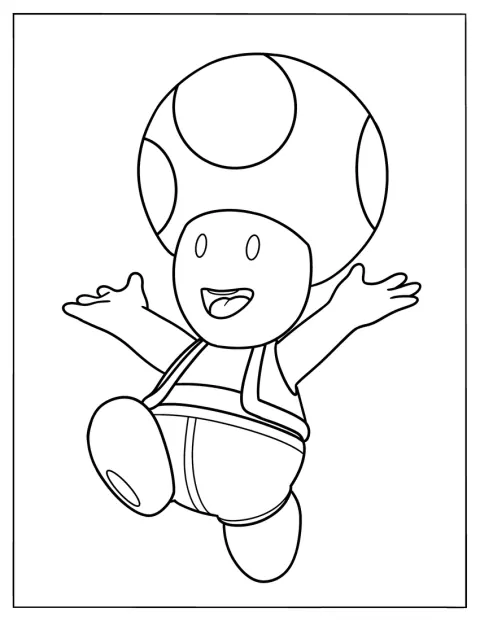
Happy Toad Dancing Coloring Page For Kids
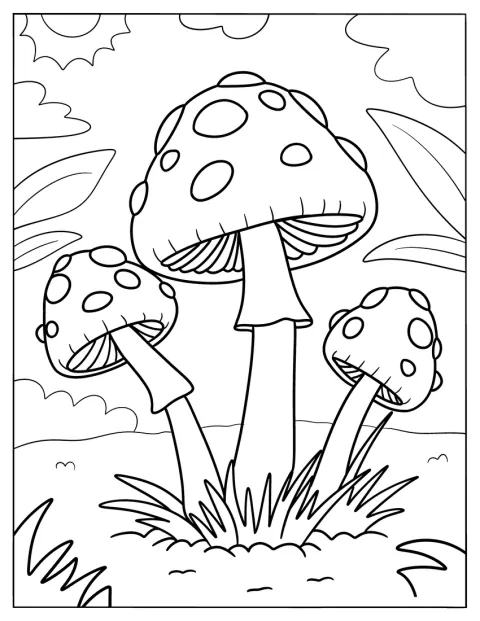
Three Realistic Mushrooms Surrounded By Larger Plants Coloring Sheet
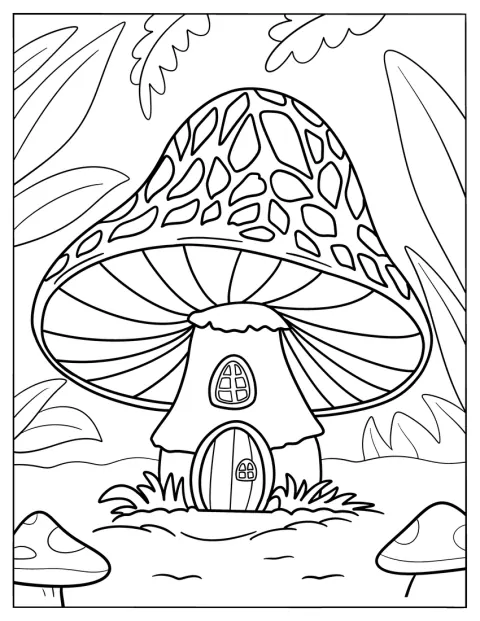
Adorable Mushroom House Coloring Page For Kids
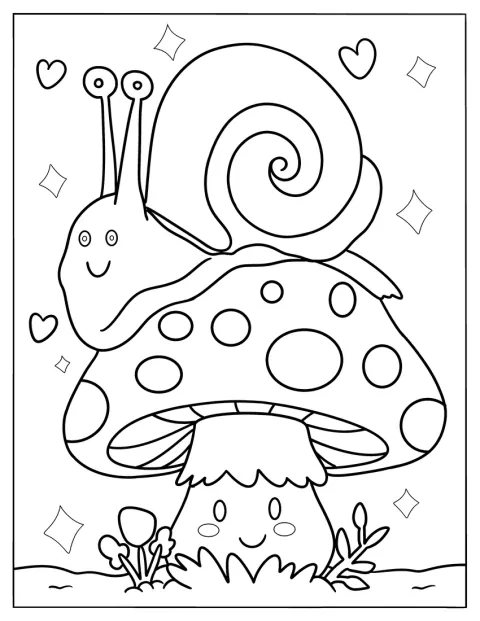
Snail Crawling On Top Of A Mushroom Coloring Sheet For Preschoolers
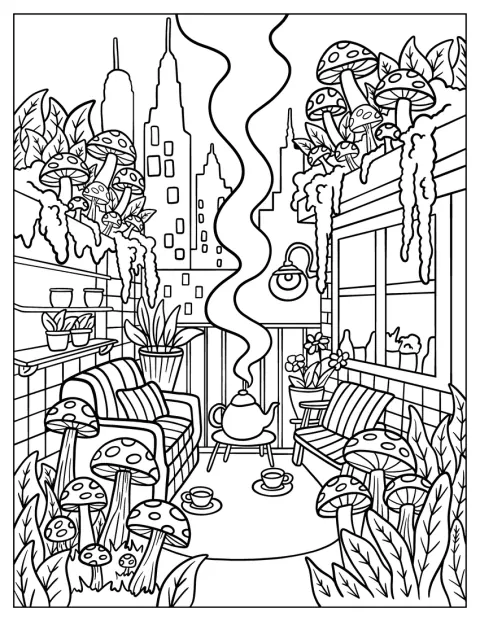
Mushroom Garden Balcony with City Skyline View
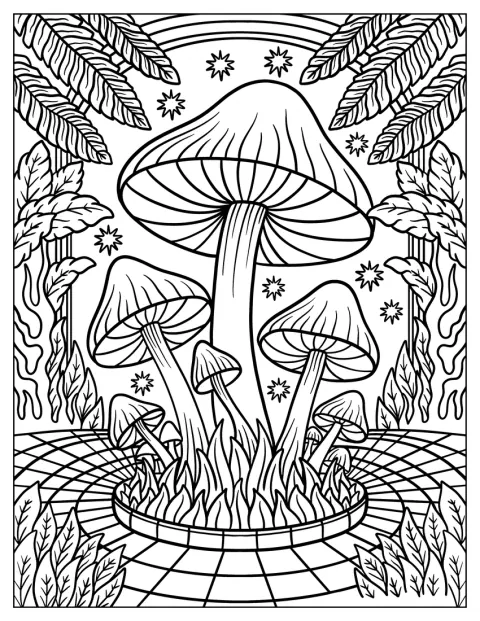
Magic Mushrooms Growing on a Tiled Forest Floor
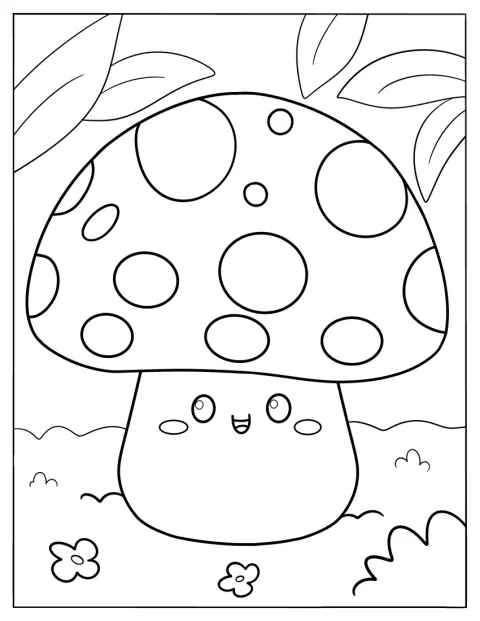
Easy Mushroom With Polka Dots Coloring Page For Kids
No picture found
The pictures in this collection are temporarily unavailable.
See the other collectionsFree, printable mushroom coloring pages
Choose from mushrooms with spotted caps, tiny garden scenes, fantasy houses, and patterns. Some drawings have open shapes that are quick to color, while others combine mushrooms with fairies, flowers, animals, or night skies for a longer project.
Cute mushroom coloring pages
Kawaii mushrooms bring friendly faces and storybook charm to the page. A mushroom perched on a tree stump gives kids a clear, rounded shape to color, while a mushroom house with windows invites them to imagine who lives inside.
In a scene with kawaii girls playing beside a giant mushroom, the scale makes the setting feel like a little adventure. For a cozy coloring break, try the kitten perched on a tall mushroom or the fairy resting on a broad cap. A Jack-o’-lantern mushroom scene also suits Halloween coloring.
How mushrooms differ from plants
Mushrooms are part of fungi, not plants. The cap and stem are the visible parts of a much larger organism, and many mushrooms release spores from the underside of the cap. Look for gills or other fine lines there in more realistic drawings.
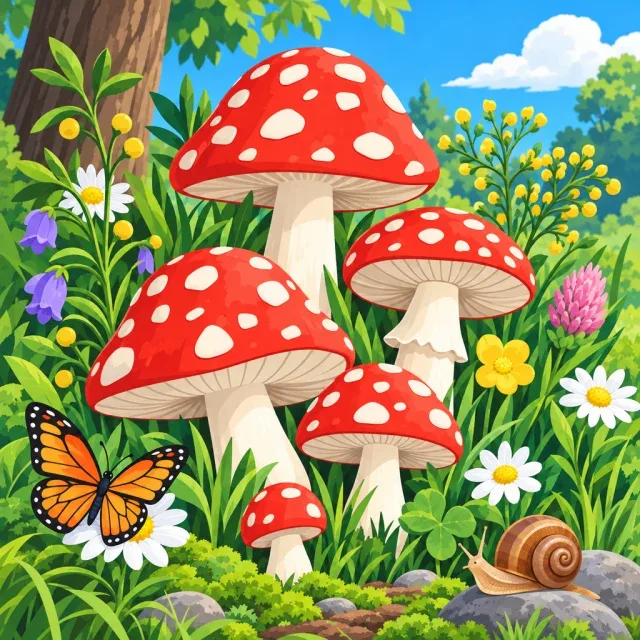
The fly agaric, also called Amanita muscaria, is easy to recognize in pictures by its red cap and pale spots. Real mushrooms come in many forms and colors, though, so a drawing’s appearance is not a safe way to identify wild fungi. Never eat a mushroom picked outdoors unless an expert has identified it.
Choose by age and skill level
A young child may enjoy coloring a single mushroom, while older kids can take on a scene with several shapes and a little background. There are also detailed designs for adults who want to spend more time on tiny patterns, plants, and scenery.
Easy mushroom coloring pages for kids
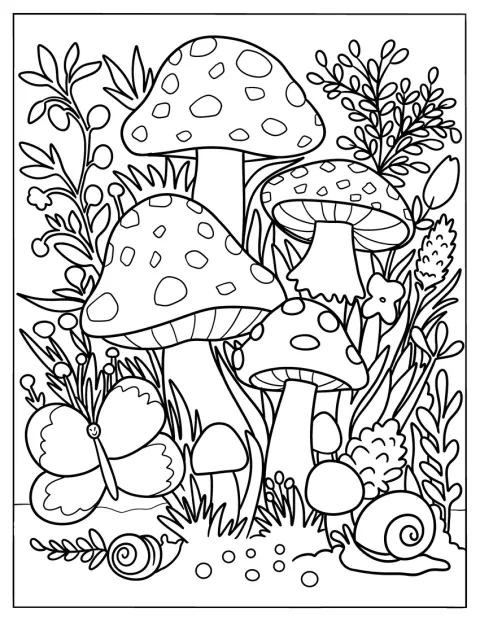
For a 3-year-old, start with the simple polka-dot mushroom or the fly agaric among a few blades of grass; broad areas are easier to manage with crayons. Honeycup mushrooms make another straightforward choice, and a snail crawling over a mushroom adds one friendly detail without making the scene feel crowded.
A 7-year-old may be ready for the garden with big and small cartoon mushrooms, or a mushroom house with two windows. These offer more shapes to fill in and can spark a story, while still keeping the main mushrooms easy to see.
Detailed mushroom coloring pages for adults
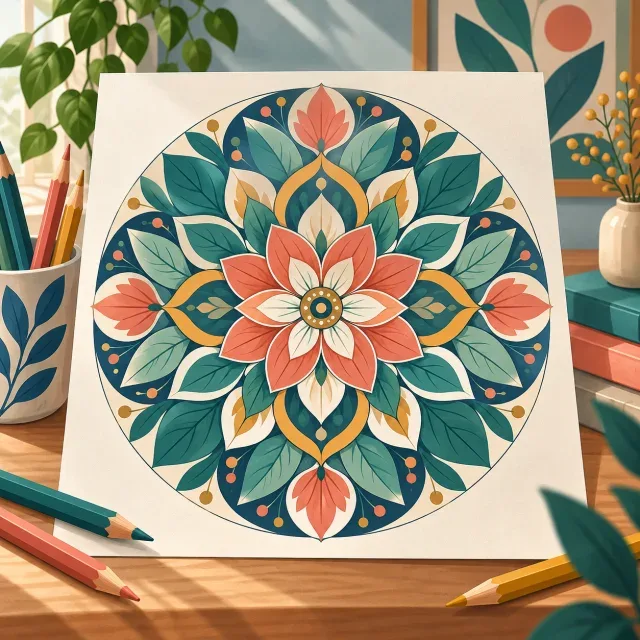
For a more absorbing project, choose the complex mushroom mandala or the design of mushrooms in front of a mandala. Their repeating lines give you a chance to build color gradually, while realistic mushrooms among flowers and weeds offer leaves, stems, and caps to shade in different ways.
Fantasy scenes bring more to explore: a fairy lounges on a giant mushroom, a lantern trail winds through an enchanted grove, and a small house sits among massive fungi. Other drawings set mushrooms beneath stars or surround them with floating spores, tiny houses, pumpkins, or a skull. If you enjoy intricate designs, browse the adult coloring pages as well.
What colors should you use?
A fly agaric is often shown with a red cap and white spots, but the rest of your mushroom scene can take any palette you like. Try earthy browns, cream, and moss green for a woodland look, or use violet and deep blue for a garden under the stars.
For fairy scenes, add soft pinks and greens to the mushrooms, then choose a brighter color for a lantern or flower to draw the eye. Mandalas are a good place to repeat a small group of colors, while mushroom houses can have contrasting doors and windows.
Print mushroom coloring pages as PDFs
Open a drawing’s PDF with “Open the PDF,” or send it straight to the printer with “Print”; both buttons work from a phone, too. Check the print preview and choose fit to page so the whole mushroom scene stays within the margins. Thicker paper can help with markers, while colored pencils work well for the small spots, gills, and mandala details.