Moose coloring pages
This moose gallery has simple outlines, lively animal scenes, and detailed designs. All pages are free, with no account needed, and each drawing opens as a PDF ready to print. Pick a bold-antlered moose for a quick activity, a forest or stream scene for more to color, or a mandala for a slower project.
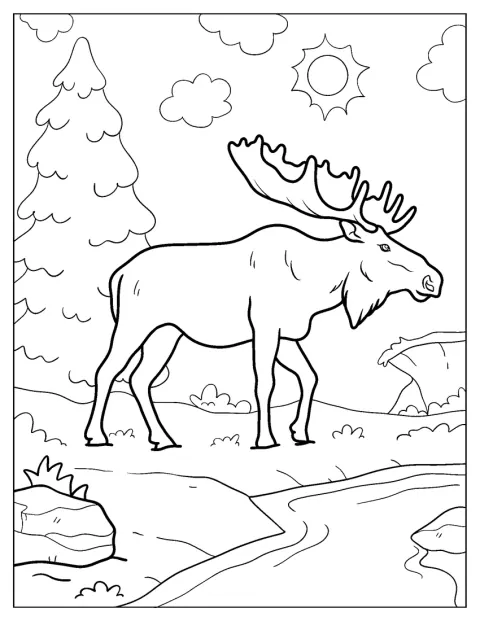
Adult Moose Coloring Page Approaching River
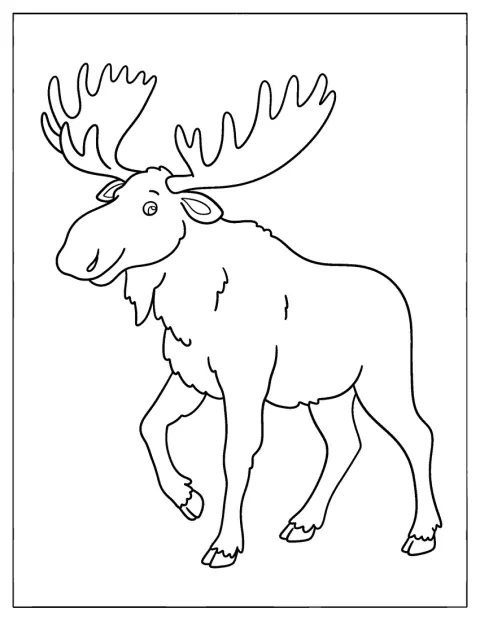
Easy Moose Trotting Coloring Sheet for Kids
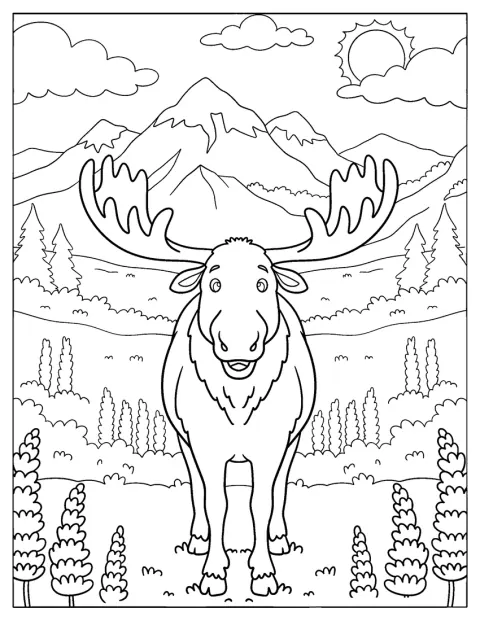
Smiling Moose Standing in a Mountain Meadow Coloring Page
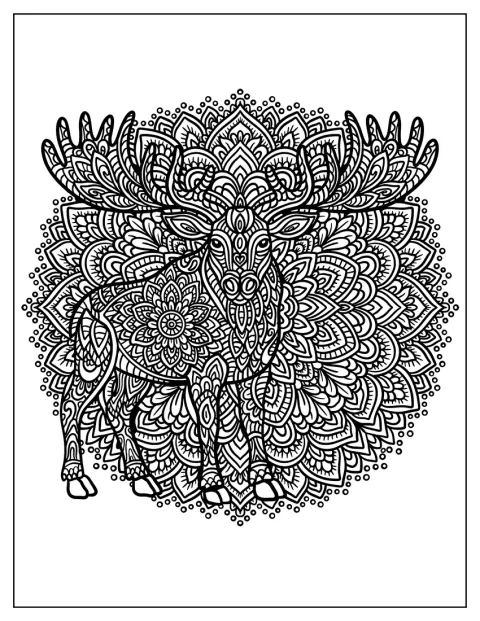
Complex Flower Mandala with Moose Inside Coloring Page
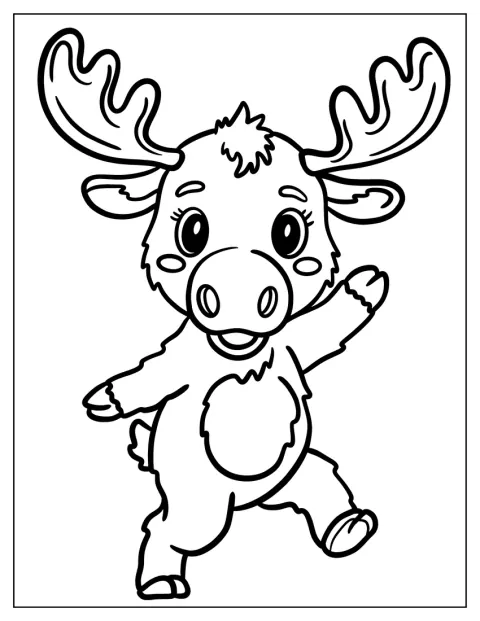
Cheerful Moose Waving and Skipping Coloring Sheet for Preschoolers
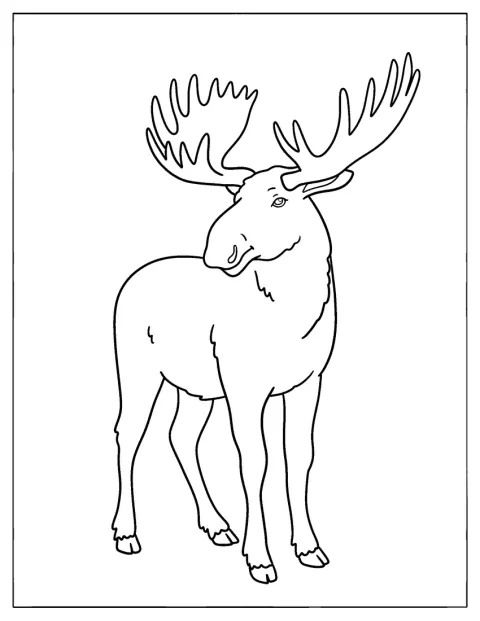
Simple Moose with Huge Antlers Coloring Page
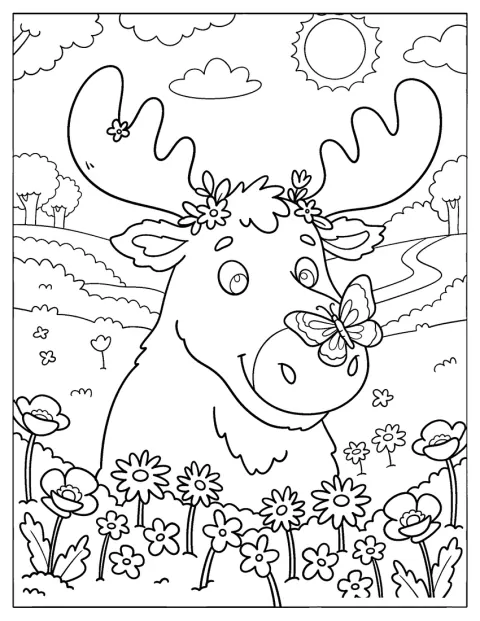
Moose with Flowers and a Butterfly in a Meadow Coloring Page
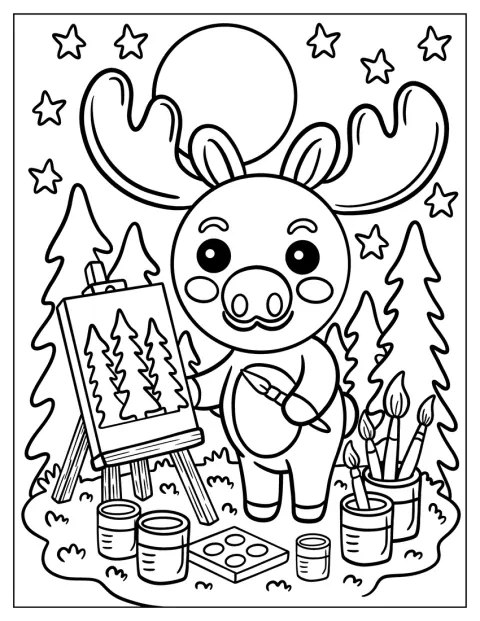
Artistic Moose Painting Trees on a Canvas Coloring Sheet for Preschoolers
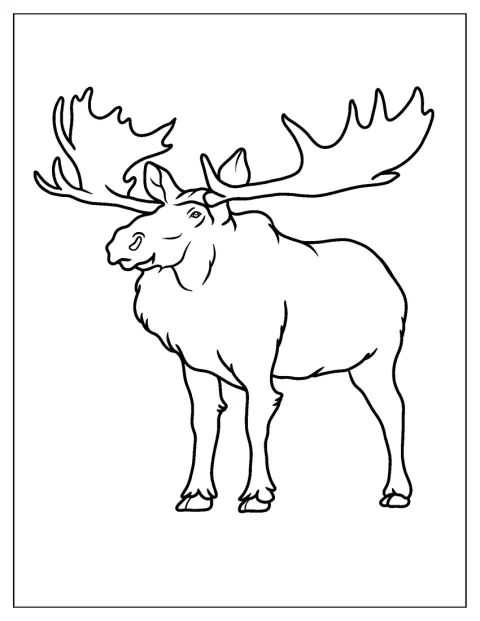
Simple Elk Moose Coloring Page Outline For Kids
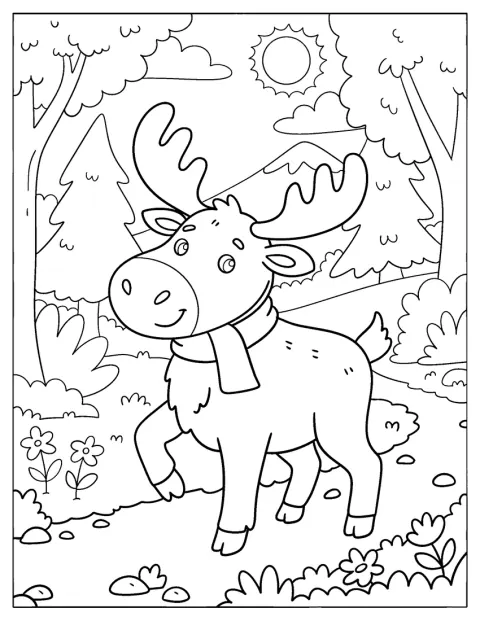
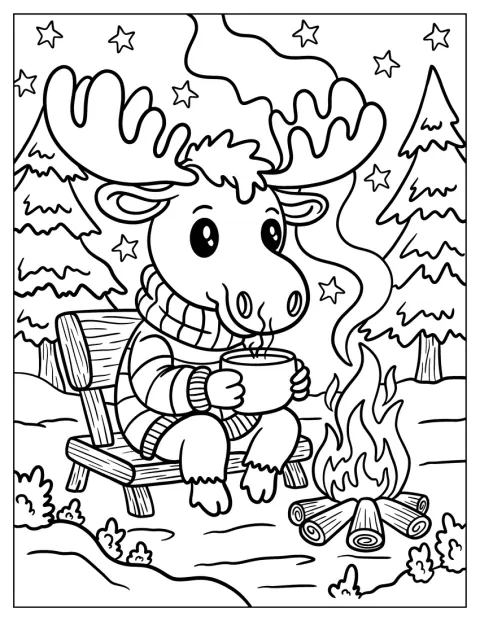
Moose Wearing a Scarf During a Forest Walk Coloring Page
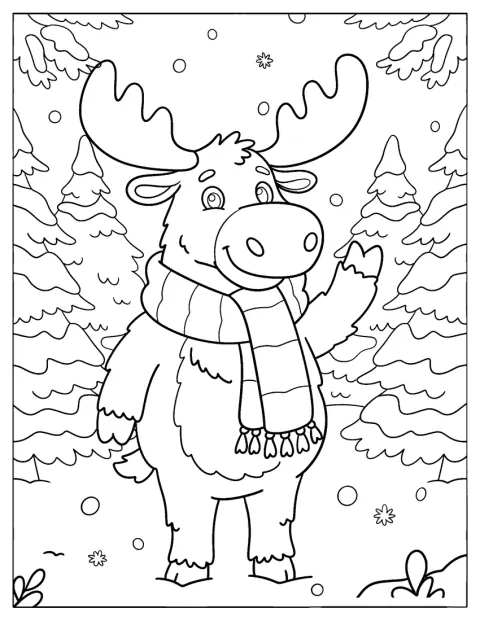
Moose Wearing a Scarf and Waving in a Snowy Forest Coloring Page
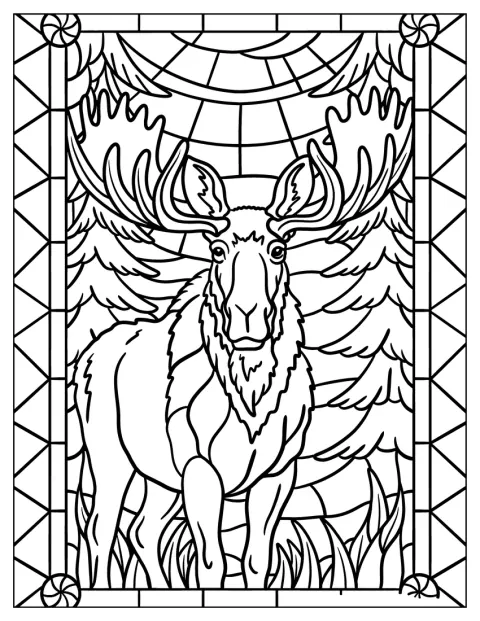
Stained Glass of Moose in the Forest
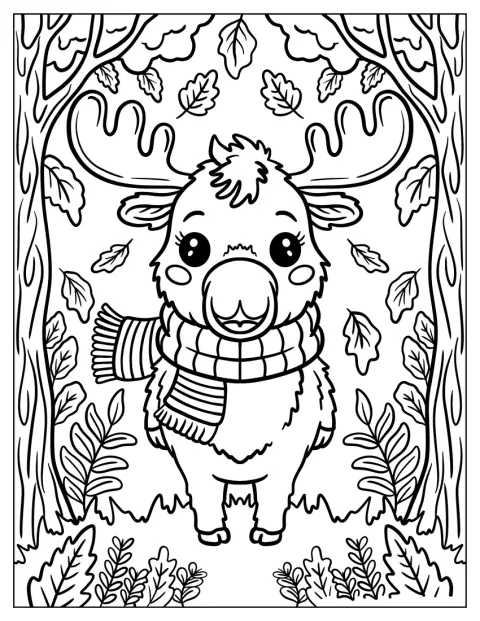
Smiling Moose in Scarf Under Falling Leaves Coloring Page
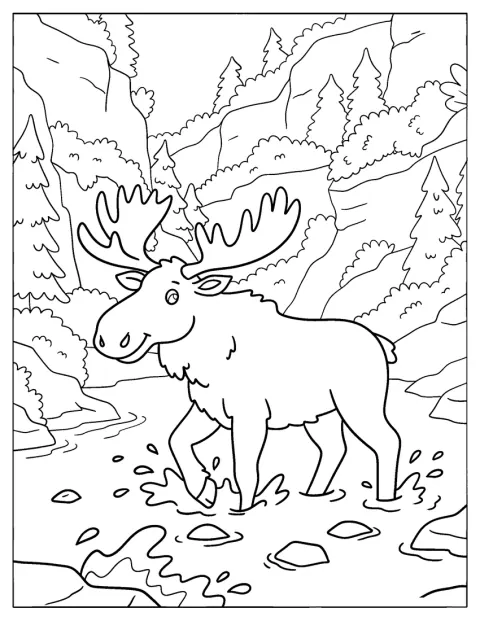
Moose Walking Through a Rocky Mountain Stream Coloring Page
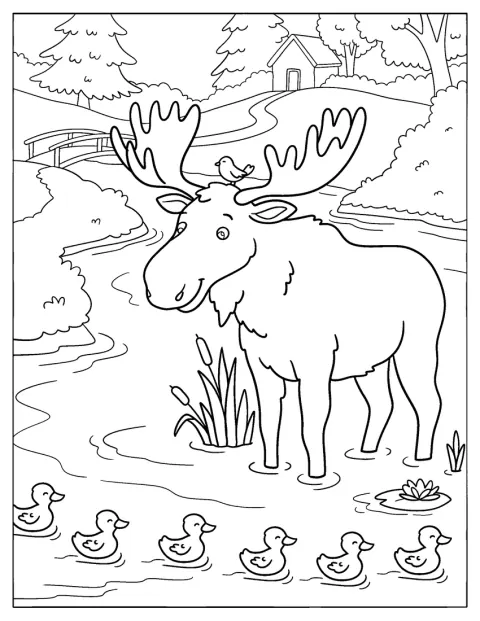
Moose Standing in a Pond with Ducklings Coloring Page
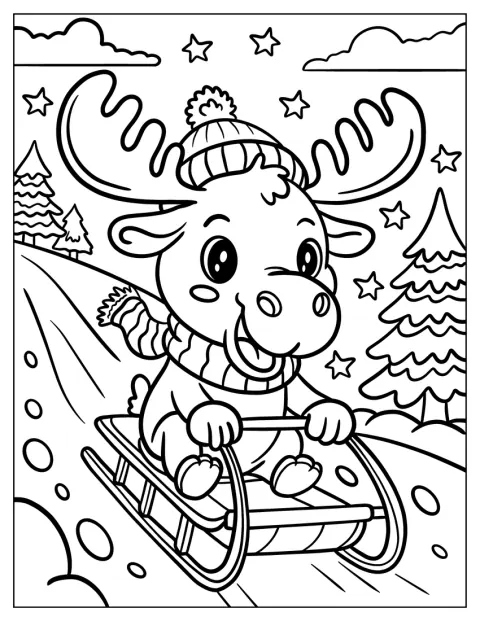
Adventurous Moose Riding a Sled Coloring Page for Kids
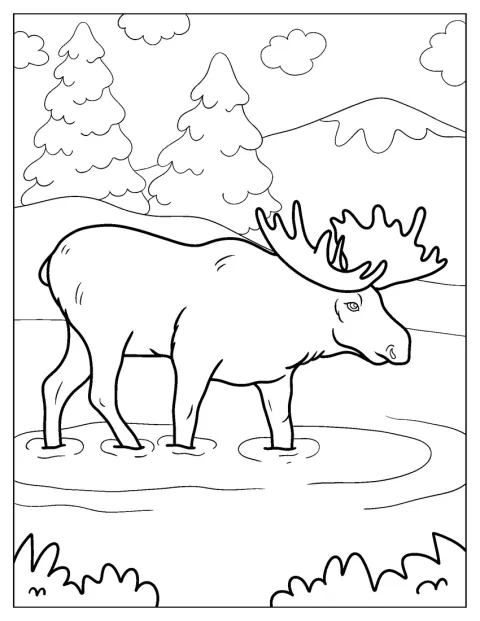
Moose Coloring Page Walking In Shallow Waters
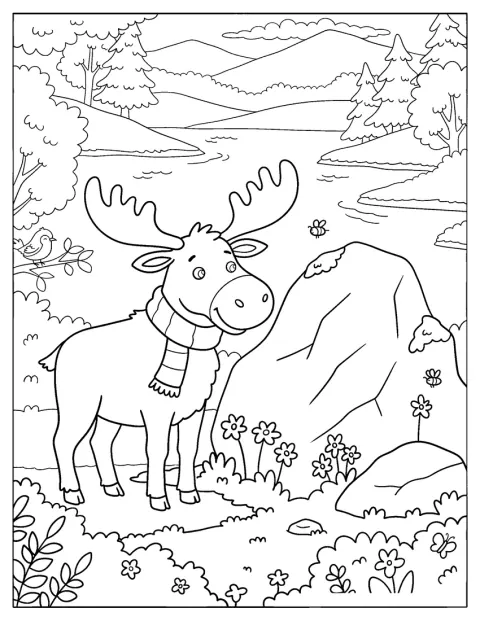
Moose Standing Beside a Rocky Lakeside Coloring Page for Kids
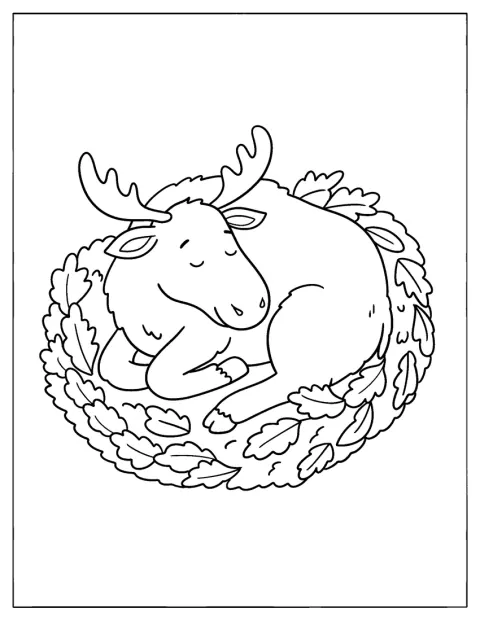
Moose Sleeping on a Bed of Leaves
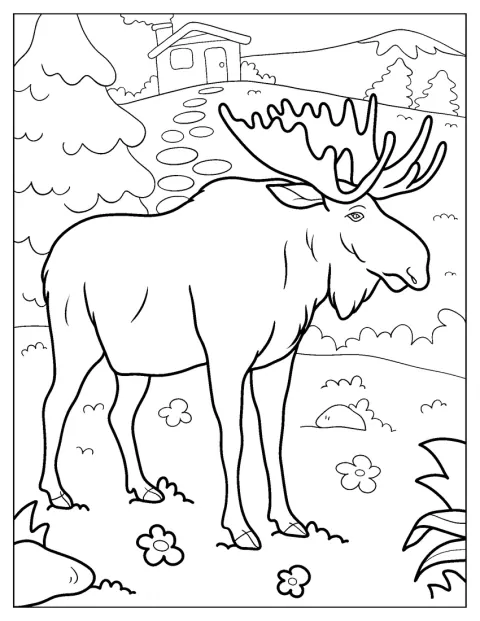
Full Grown Moose Coloring Page In Field
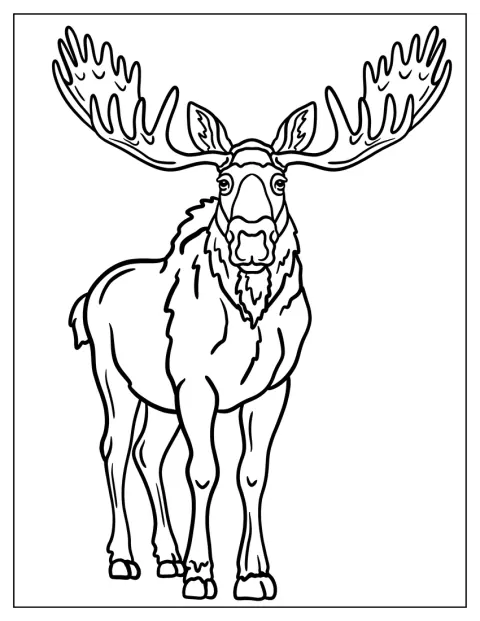
Massive Moose Outline with Intricate Antlers Coloring Page for Kids
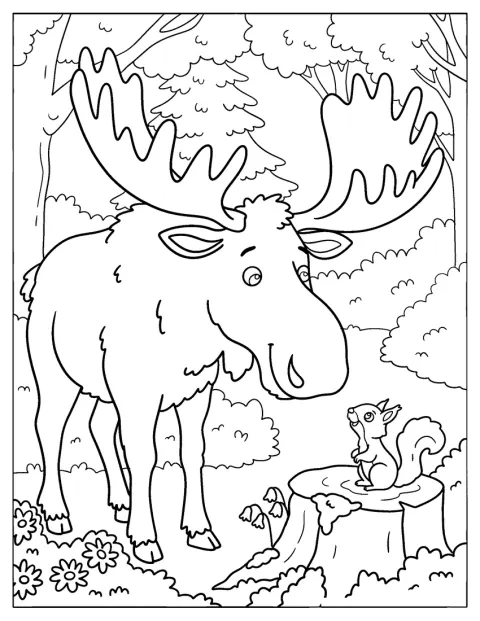
Moose Meeting a Squirrel in a Forest Coloring Page
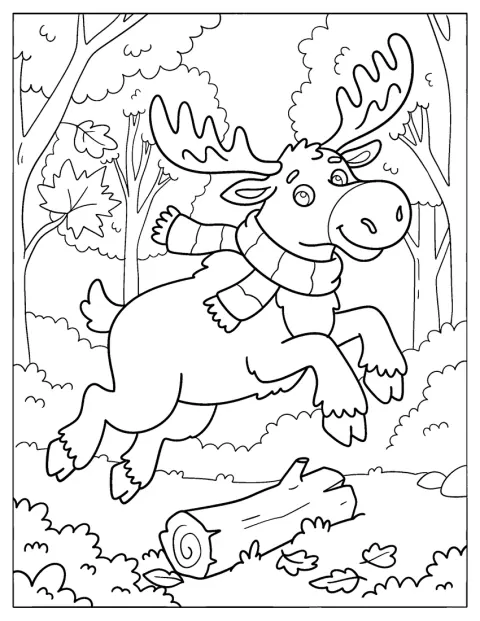
Moose Jumping Over a Log Coloring Page
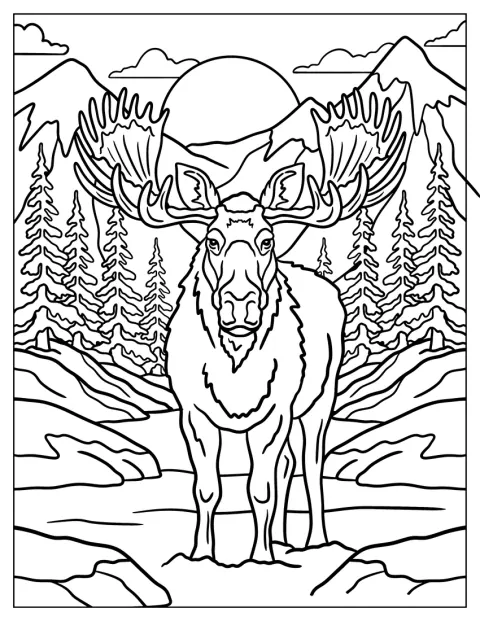
Realistic Moose Standing in the River Coloring Sheet
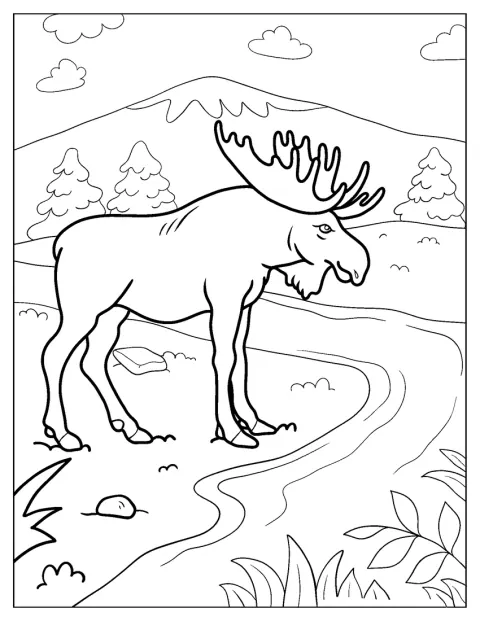
Realistic Moose Coloring Page Standing In Front Of Stream
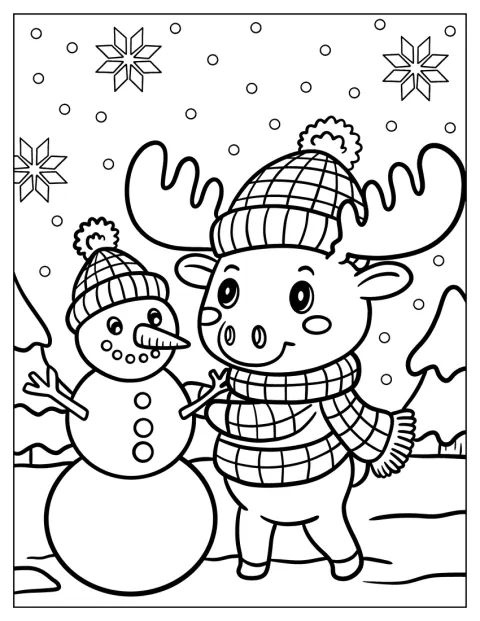
Playful Moose in Beanie and Scarf Building a Snowman
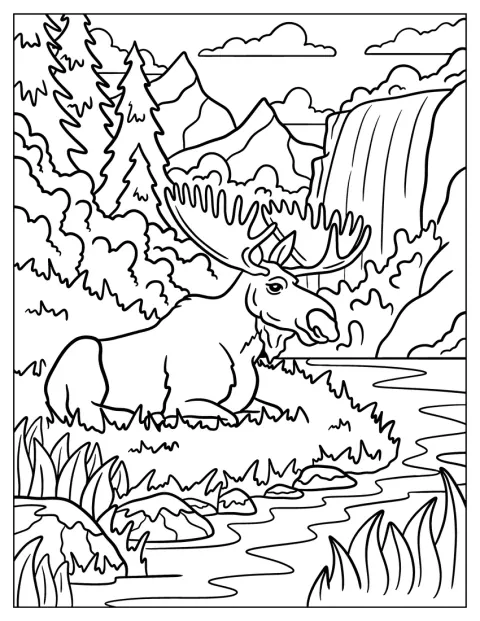
Peaceful Moose Resting Beside a River Coloring Sheet
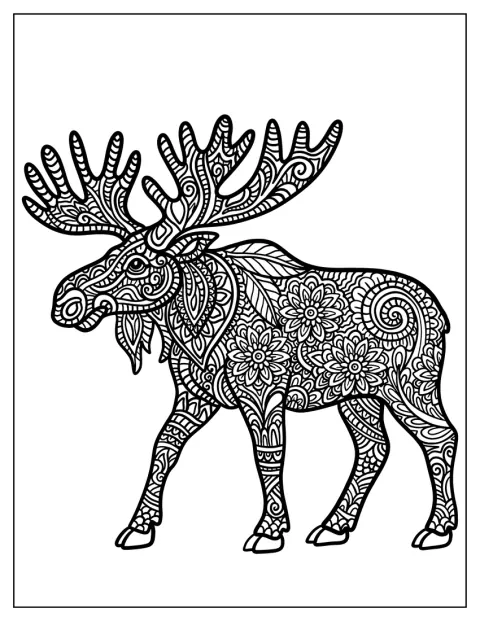
Majestic Moose Mandala with Floral Patterns Coloring Page
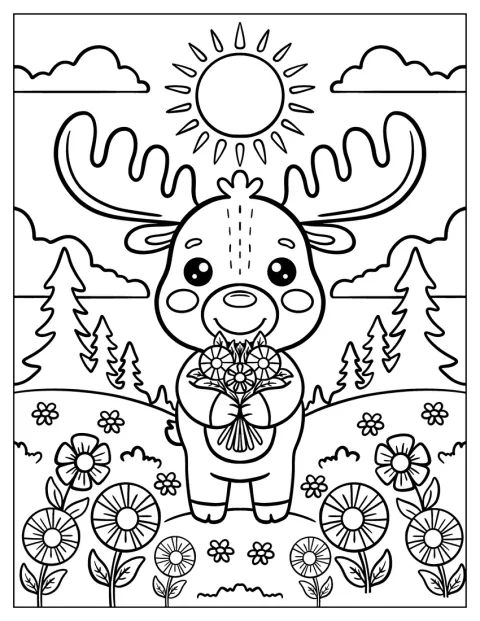
Kawaii Moose Holding a Bouquet of Flowers in a Meadow Coloring Sheet for Kids
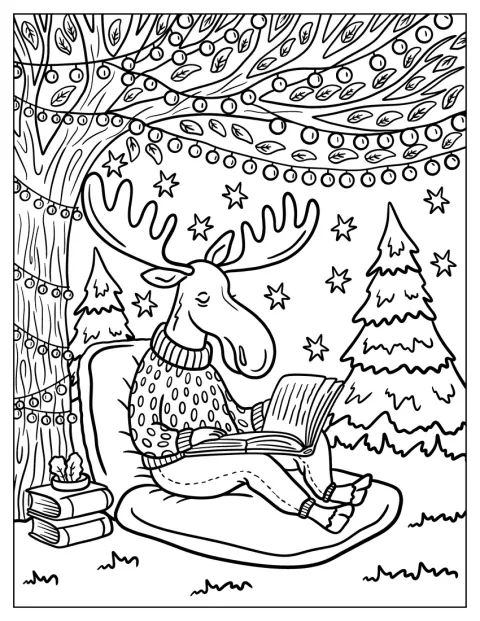
Nerdy Moose in Polka Dot Sweater Reading a Book Coloring Sheet for Kids
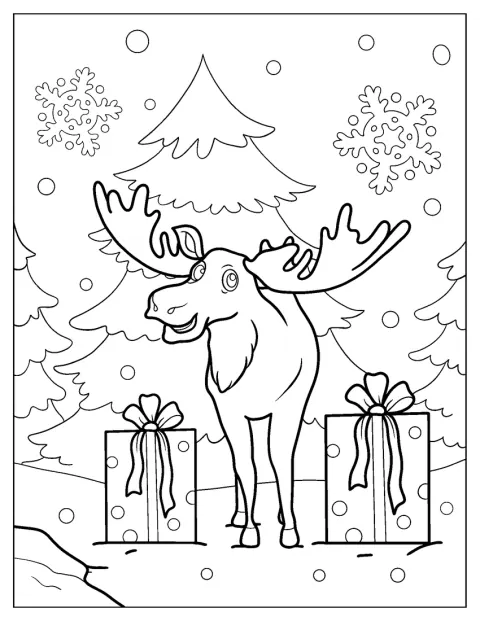
Moose Coloring Page In Winter Wonderland With Christmas Presents
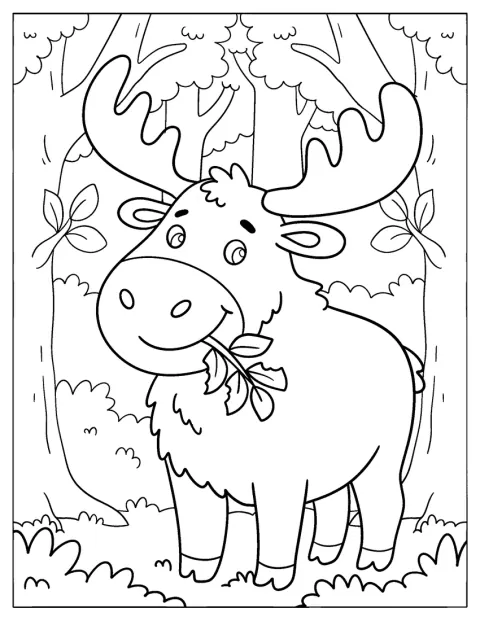
Moose Holding a Leaf in a Forest Coloring Page for Kids
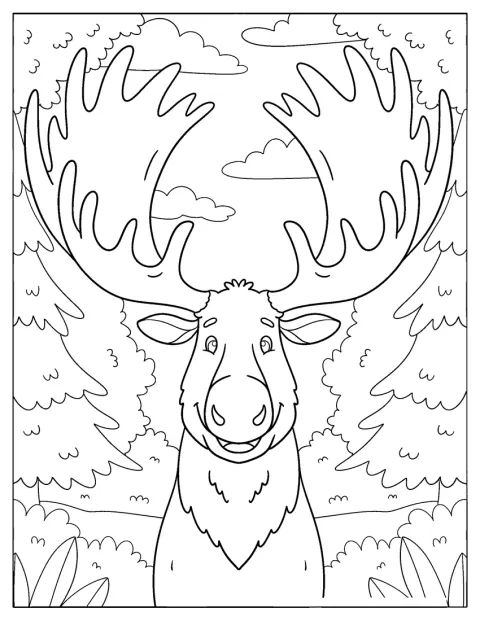
Happy Moose Standing Among Pine Trees Coloring Page for Kids
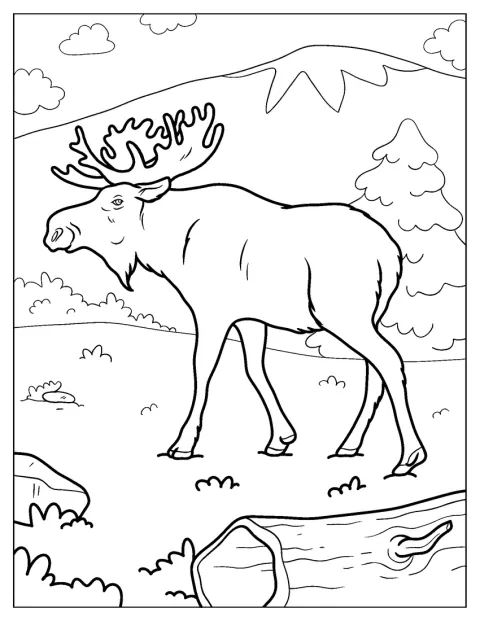
Large Realistic Moose Coloring Page Walking In Forest
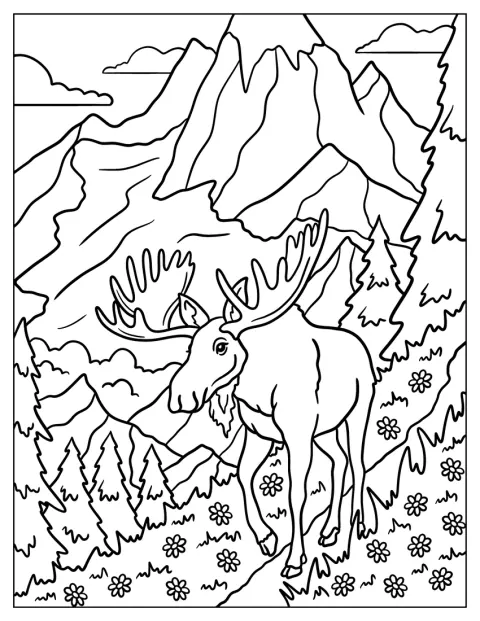
Moose Walking Down Mountain Path with Flowers Coloring Page for Kids
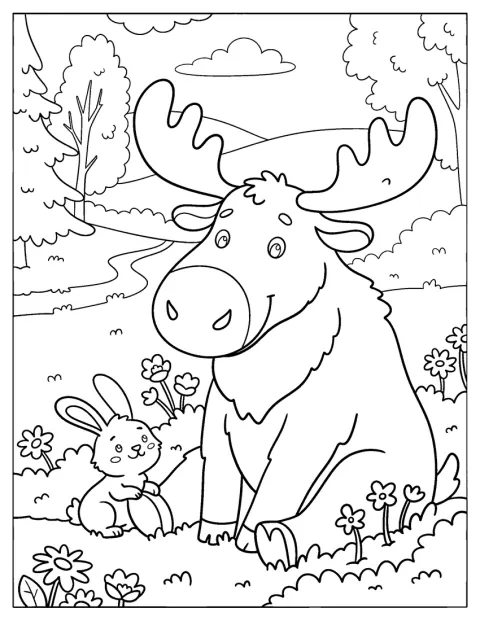
Friendly Moose Sitting in a Meadow with a Rabbit Coloring Sheet
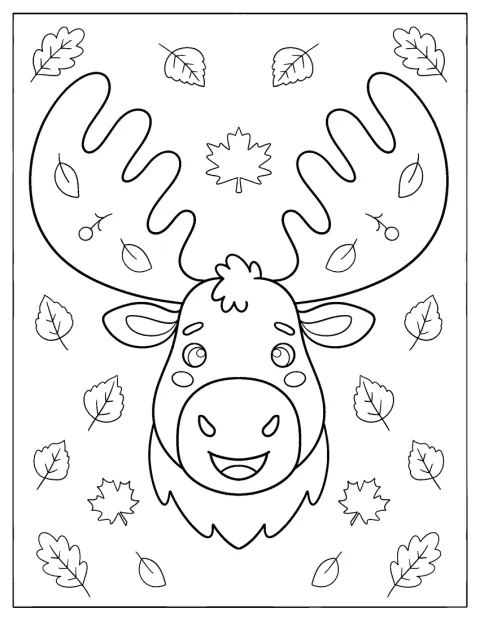
Cute Moose with Large Antlers and Falling Leaves Coloring Page for Kids
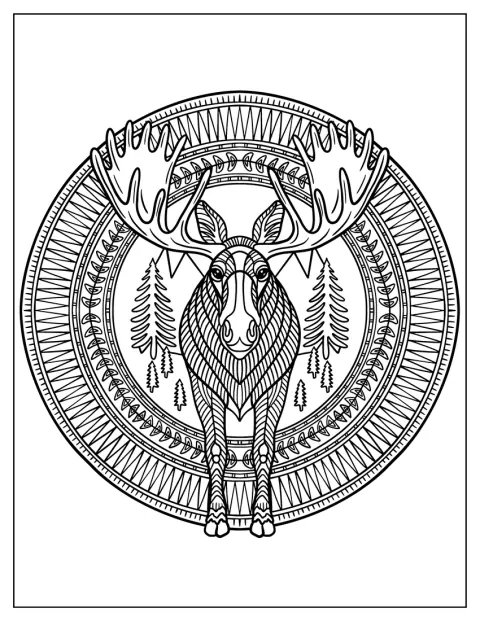
Elegant Geometric Moose Mandala Coloring Page for Adults
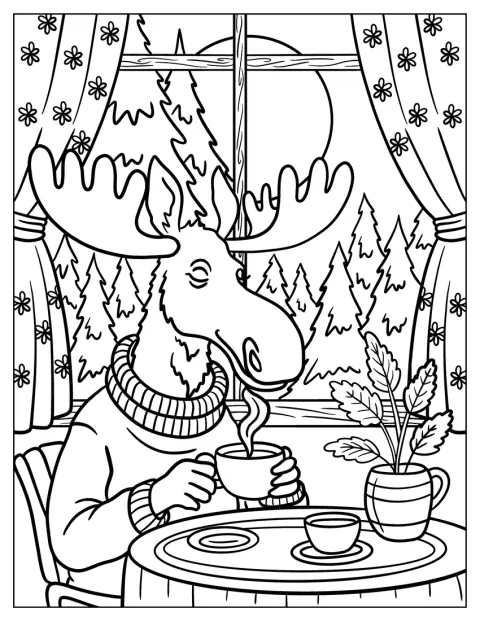
Elderly Moose Drinking Hot Coffee Beside a Window in Winter
No picture found
The pictures in this collection are temporarily unavailable.
See the other collectionsFree Printable Moose Coloring Pages
The drawings range from a moose trotting or waving to quiet moments by the water. Some show rocky streams, pine woods, and mountain meadows; others add a rabbit, ducklings, flowers, or falling leaves to give the scene a little story.
There are playful winter scenes with scarves, a snowman, a sled, or Christmas presents, alongside lifelike views of moose walking and resting. A cute moose holding flowers feels light and cheerful, while the mandalas and stained-glass design invite careful work.
Plan a Moose Habitat Story
Turn a coloring session into a short habitat adventure. Have your child choose whether the moose is crossing a stream, walking through pines, or resting in a meadow, then add details such as tracks, leaves, rocks, and plants around it.
For a group activity, let each person color a different setting and tell one sentence about what the moose is doing there. A rabbit, squirrel, ducklings, or butterfly in the scene can become another part of the story.
Choose by Age and Skill Level
For a 3-year-old, a large outline with open spaces is easier to manage than a page full of small patterns. Many 7-year-olds may enjoy adding color to a moose and its setting, especially when the scene includes a few clear details such as a log or pond.
Easy Moose Coloring Pages for Kids
The simple moose outlines and oversized antlers give younger children broad areas to fill. A trotting moose, one stepping through shallow water, or a waving moose keeps the main shape clear; the falling leaves add a small, satisfying detail without crowding the page.
Detailed Moose Coloring Pages for Adults
For adults who want a longer coloring session, try the floral mandalas, geometric patterns, or intricate antlers. Realistic moose by a river and forest scenes with layered trees offer natural textures, while the moose reading a book or building a snowman gives you smaller objects and clothing details to work through.
Color the Moose and Its Surroundings
For a natural look, use brown or gray-brown for the coat, with darker shades on the legs and muzzle. Tan or muted brown can define the antlers, and a few lighter strokes help separate the face and shoulder from the body.
Let the setting guide the rest of the palette: pine green and leafy greens for woodland scenes, blue-gray for water, or soft greens and flower colors for a meadow. Snowy pages can use cool shadows, while a scarf or winter hat can bring in a bright accent.
Recognize a Moose by Its Antlers
A moose is a member of the deer family, but its broad, palm-shaped antlers make it easy to distinguish from deer with narrower, branching antlers. Adult males typically grow antlers, while females generally do not, so a picture without antlers can still show a moose.
The large head, long muzzle, and high shoulders are useful details to notice in realistic drawings. To compare another familiar member of the deer family, try deer coloring pages alongside these moose scenes.
Print Moose Coloring Pages as PDFs
Choose “Open the PDF” to view a drawing, or “Print” to send it directly to a printer; both buttons work from a phone, too. In the print settings, use fit to page so antlers and scene details stay within the margins.
Plain paper works well with crayons and colored pencils. For markers, thicker paper can help limit bleed-through, and colored pencils are handy for fine mandala patterns and textured fur.