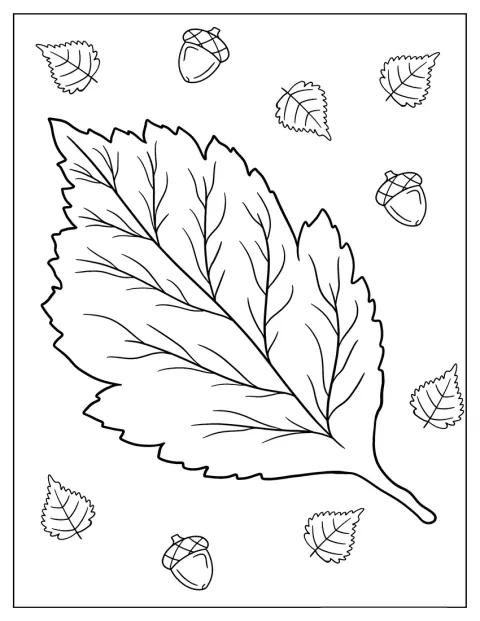
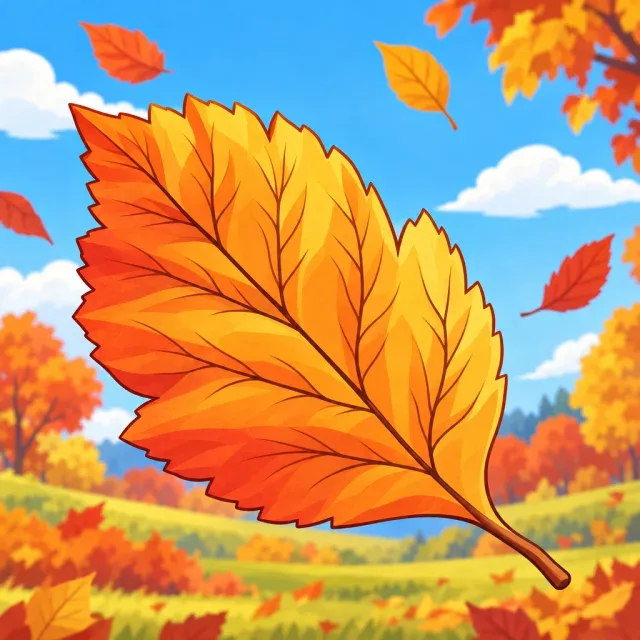
Fall Leaves coloring pages
Browse fall leaves coloring pages with single leaves, windblown foliage, and leafy ground scenes. Every page is free, and you don’t need an account. Each drawing opens as a PDF ready to print, with simple designs for young children and more detailed choices for older colorists.
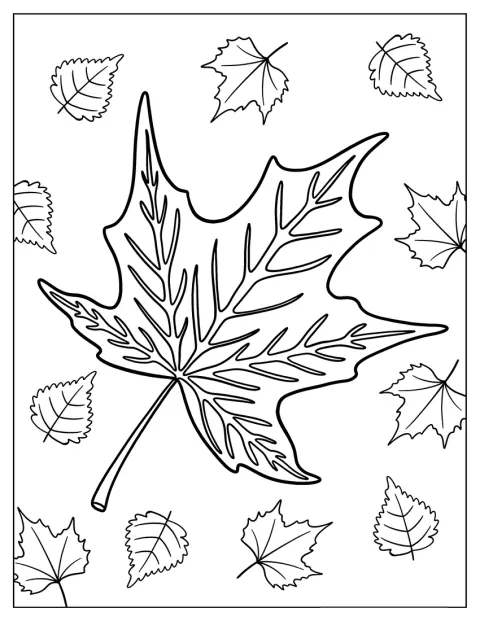
Detailed Fall Leaves Coloring Sheet
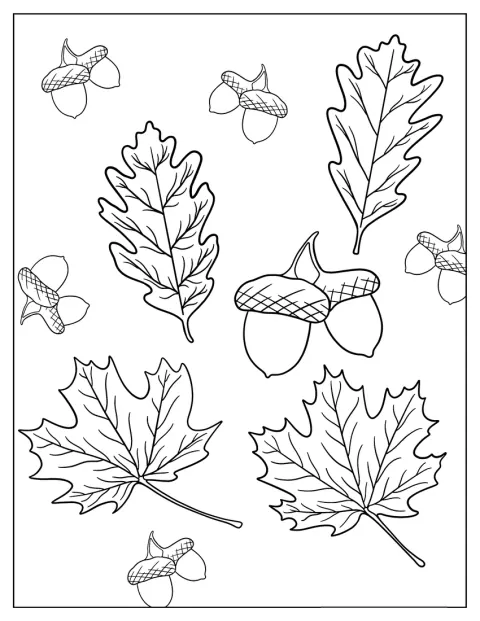
Simple To Color Fall Leaves For Kids
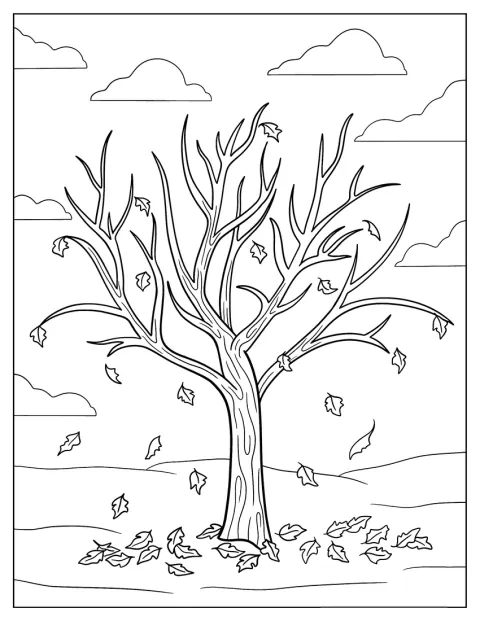
Leaves Fallen Of a Tree During Autumn
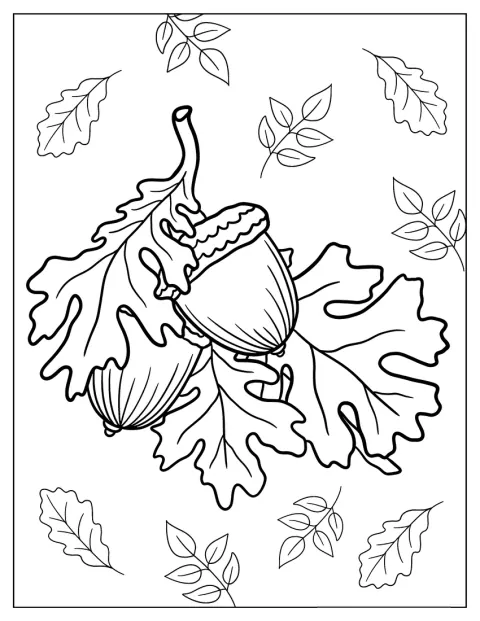
Simple Oak Fall Leaves To Color
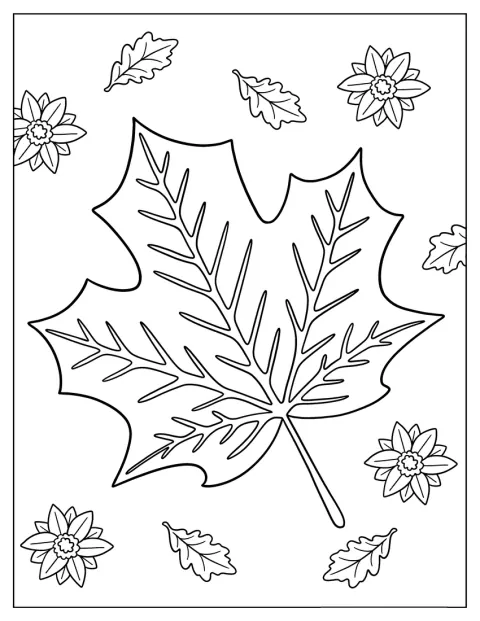
Realistic Autumn Leaf To Color
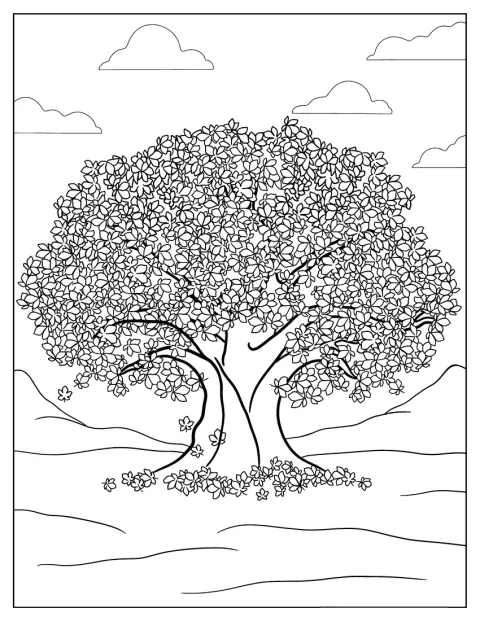
Leaves Falling Off Maple Tree During The Fall
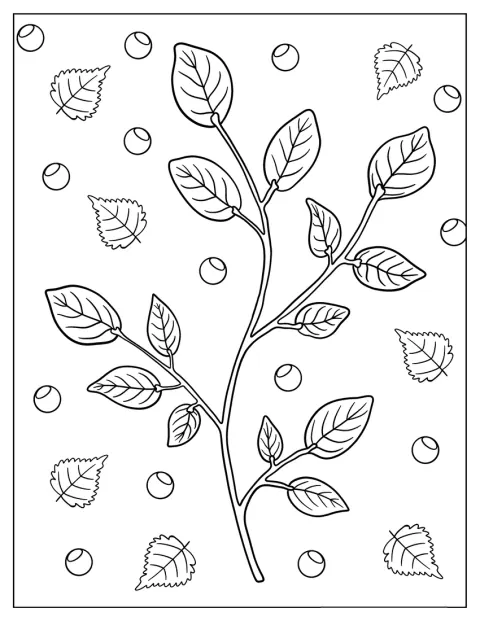
Small Autumn Leaves To Color
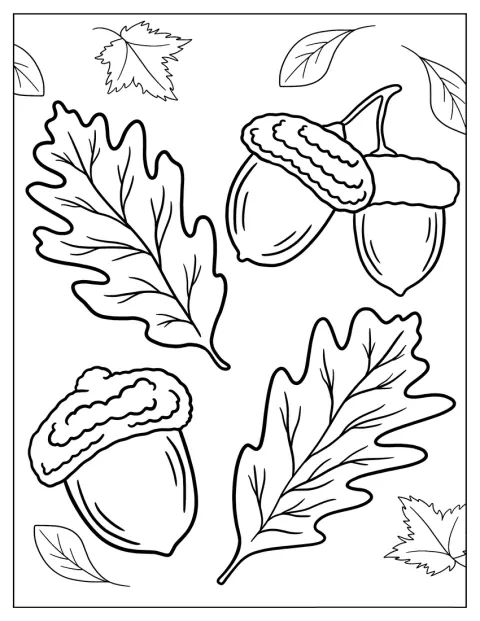
Easy To Color Oak Leaves With Acorns
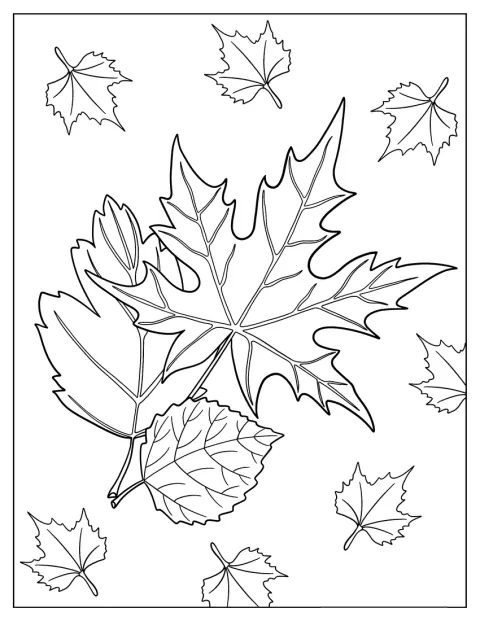
Fall Sugar Maple Leaves
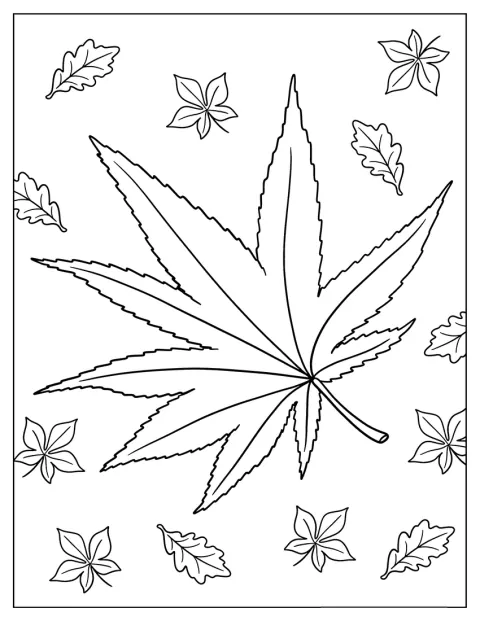
Japanese Maple Fall Leaf
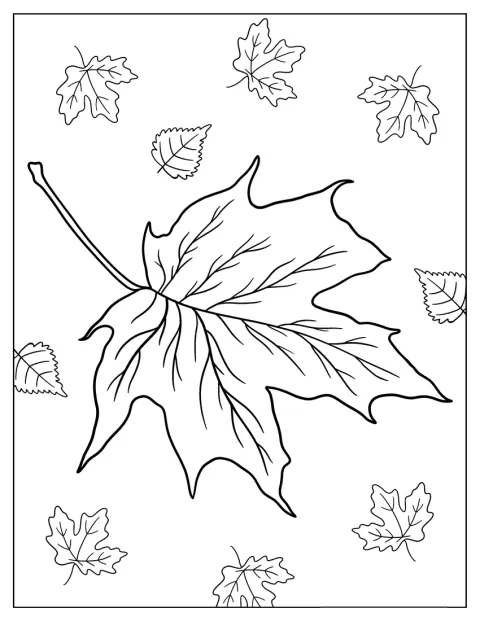
Realistic Fall Maple Leaf
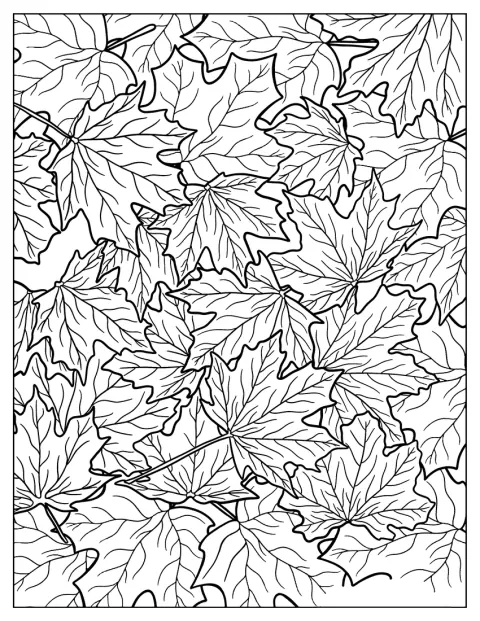
Sugar Maple Leaves On Ground To Color
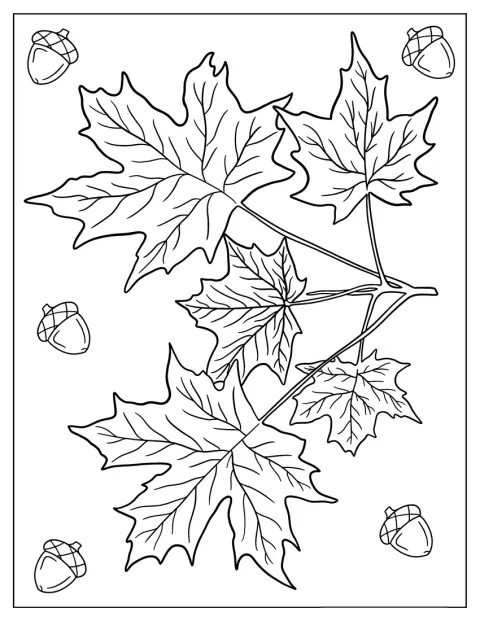
Coloring Sheet Of Fall Fall Leaves With Acorns
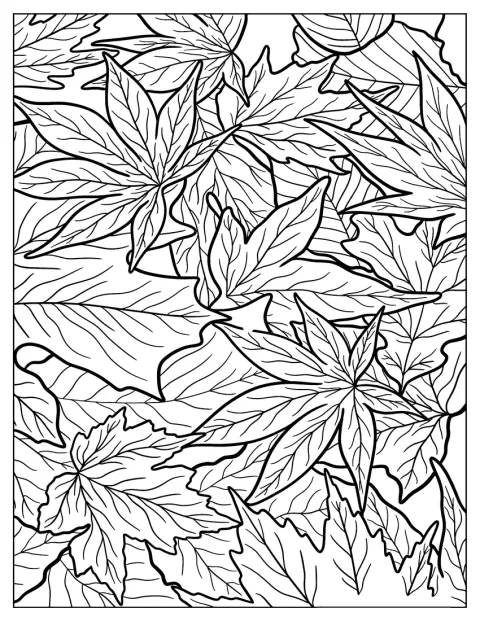
Full Page Of Fall Leaves On Ground To Color
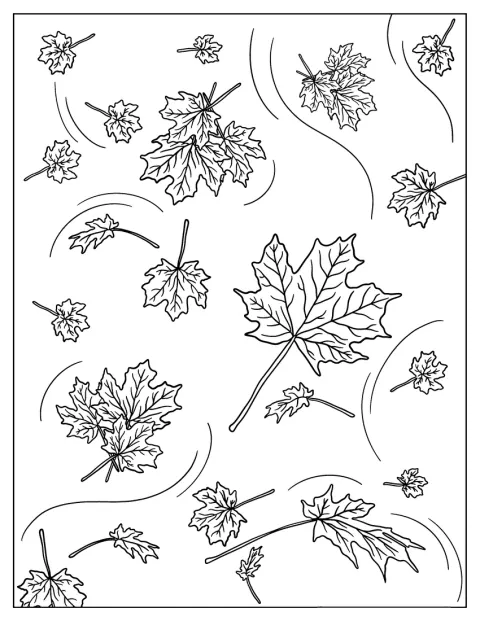
Fall Leaves Being Blown In The Wind
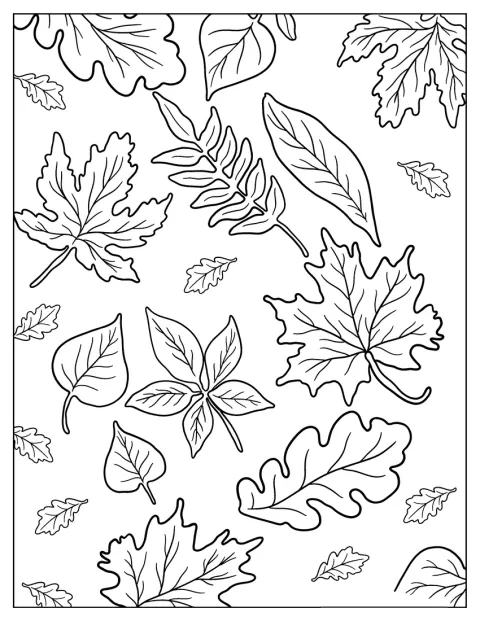
Assorted Fall Leaves To Color
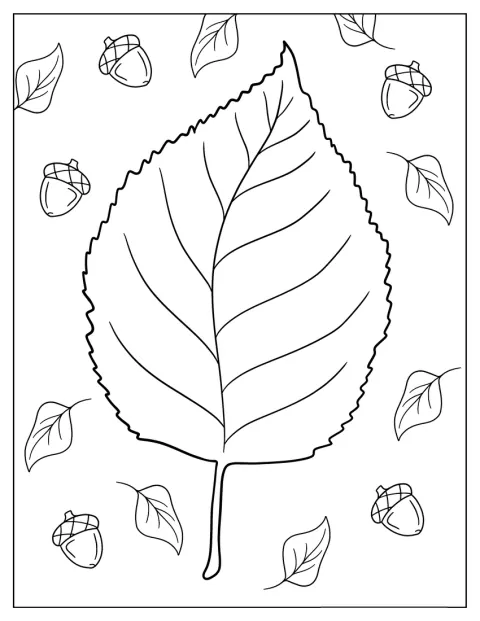
Beech Fall Leaf To Color
No picture found
The pictures in this collection are temporarily unavailable.
See the other collectionsFree Printable Fall Leaves Coloring Pages
This collection includes 18 drawings, from a single beech or oak leaf to a whole ground scattered with autumn foliage. Look for sugar maple leaves, a Japanese maple, acorns, and leaves caught in the wind. Choose a simple outline for a quick activity or a realistic leaf for a slower coloring session.
Make a Fall Leaf Hunt
Turn coloring into a small nature activity: choose a leaf drawing, then look for a similar shape outdoors or in a book about trees. Notice whether its edges are rounded like an oak leaf or pointed and deeply divided like a maple. If you collect fallen leaves, place them beside the finished picture and compare their outlines and colors. You can find more nature-themed ideas in Nature.
For a classroom or family activity, invite everyone to pick a different leaf and describe where they might have found it. A windblown leaf can begin a story about a breezy walk, while acorns beside oak leaves suggest a tree-lined path. Keep the story simple for younger children, or add details about the weather and setting for older kids.
Choose Colors for Autumn Leaves
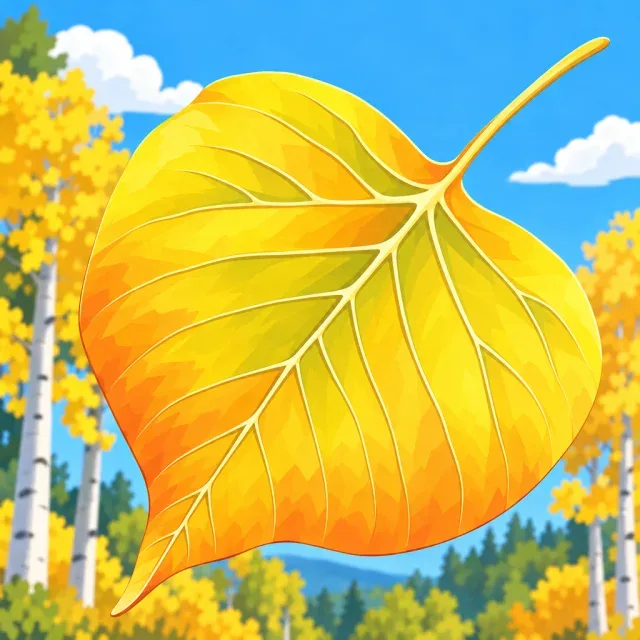
Autumn leaves can be colored in yellow, gold, orange, red, rust, and brown. Blend two or three shades across one leaf to suggest a gradual change, or use a single bright color for a bold, easy-to-see result. Green can stay in the picture too, especially in a scene where some leaves are still on the tree.
For a natural-looking page, let each leaf have its own mix rather than coloring every one alike. A pile of foliage can include deep reds and browns beside lighter golds, while a lone maple leaf gives you room to try a smooth color transition. Add a blue or gray sky only if the scene calls for it.
Choose by Age and Coloring Level
The easiest designs have broad shapes and fewer small spaces, which makes them comfortable for short coloring sessions. Medium-level pictures add more leaves or a little scenery, while detailed pages have many outlines and sections to fill. Match the amount of detail to the time and patience you have, not just the colorist’s age.
Easy Fall Leaves Coloring Pages for Kids
For a 3-year-old, try a single broad sugar maple leaf, a simple oak leaf, or the American hornbeam leaf made for preschoolers. These clear outlines are easier to fill with crayons and leave room to practice staying inside the shape. A 7-year-old may enjoy the acorns among oak leaves or the picture of leaves blowing in the wind, which gives a little scene to talk about while coloring.
The medium designs are a good next step when a child is ready for several shapes at once. Leaves falling from a maple tree create a sense of movement, and small autumn leaves offer a handful of separate spaces without the density of a full-page arrangement.
Detailed Fall Leaves Coloring Pages for Adults
Adults and older kids may prefer the realistic maple leaf or the full page of leaves scattered on the ground. Their veins, varied edges, and overlapping shapes allow for careful shading with colored pencils or fine-tip markers. Assorted leaves bring together different silhouettes, while realistic autumn foliage is a relaxing choice when you want to work slowly across the page.
Notice the Different Leaf Shapes
Leaf outlines offer an easy way to tell one tree’s foliage from another. Maple leaves usually have distinct lobes and pointed tips, while oak leaves have rounded lobes; the drawings make those differences clear even without a full tree in view. The hornbeam example has an oval shape and toothed edges, while a beech leaf has a smoother, gently wavy outline. For more leaf ideas, see Leaf.
Print Fall Leaves Coloring Pages as PDFs
Choose “Open the PDF” to open a drawing, or select “Print” to send it directly to a printer; both buttons work from a phone, too. Use fit-to-page if you want the whole design within the margins. Regular paper suits crayons and colored pencils, while thicker paper can help when coloring with markers.