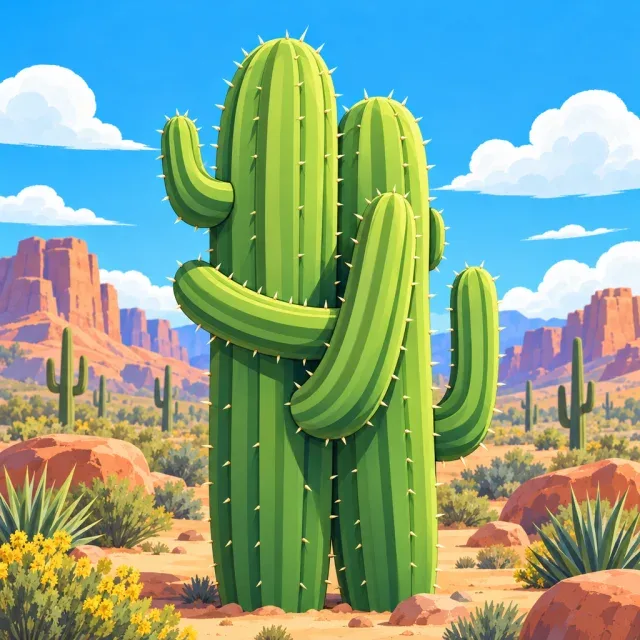
Cactus coloring pages
These cactus coloring pages range from little potted plants and smiling saguaros to desert scenes with birds, turtles, and a curious coyote. Every page is free, and you don’t need an account. Open a drawing as a PDF ready to print, with easy outlines alongside more detailed designs.
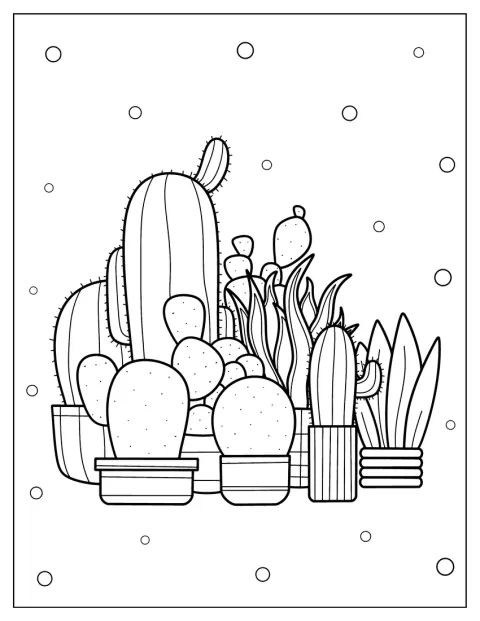
Various Baby Cactus Plants To Color
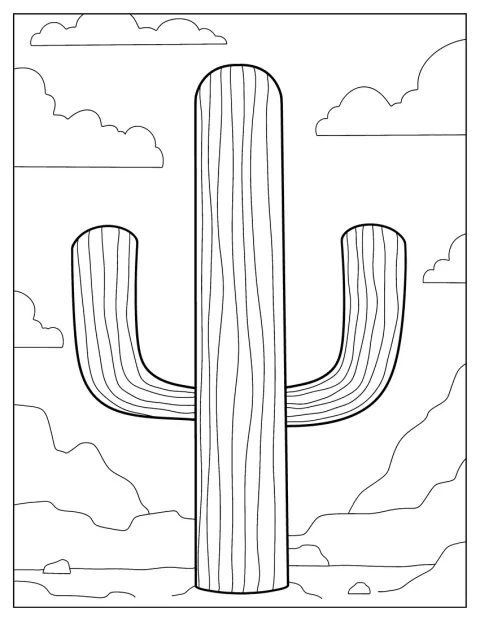
Simple Outline Of a Saguaro Cactus To Color
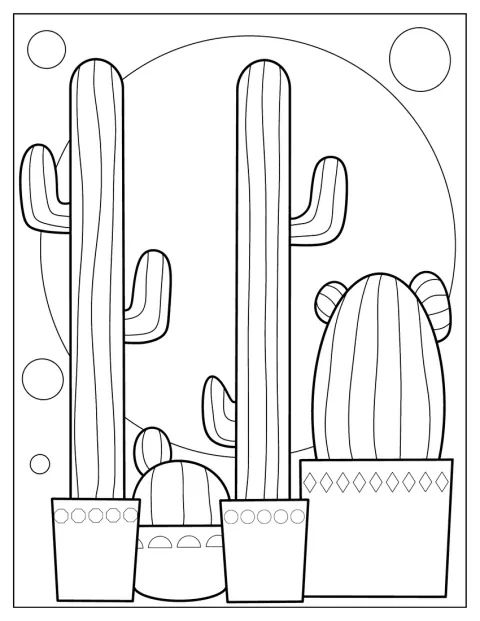
Saguaro And Golden Barrel Cactus
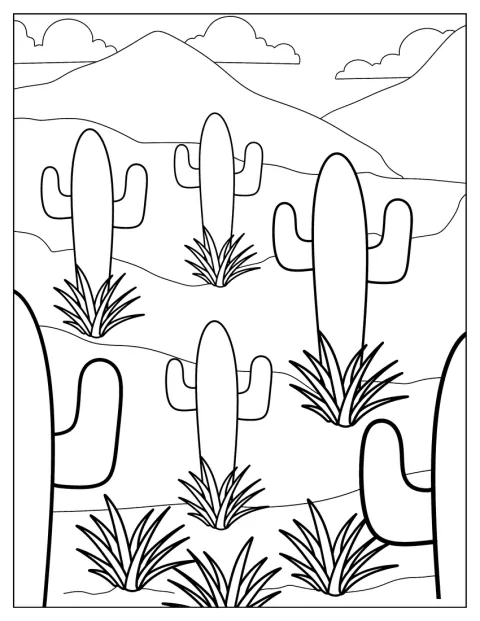
Simple Outline Of Cactus Plants In The Desert For Kids
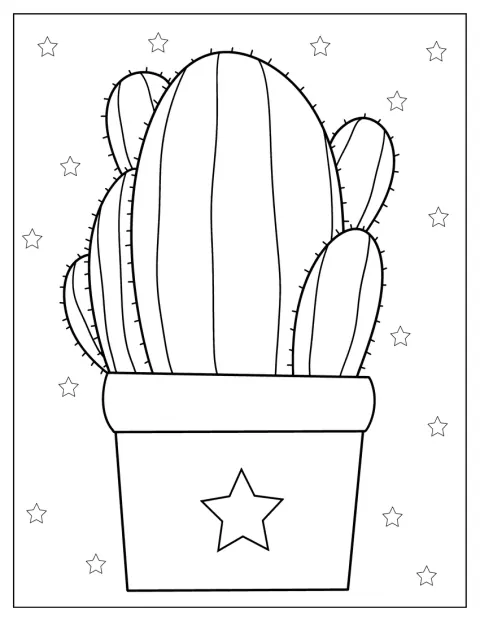
Simple Outline Of a Cactus Plant For Preschoolers
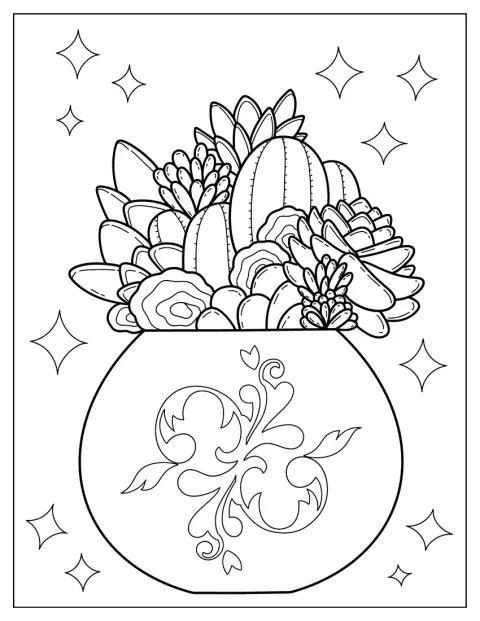
Modern Succulent Plant Coloring Sheet
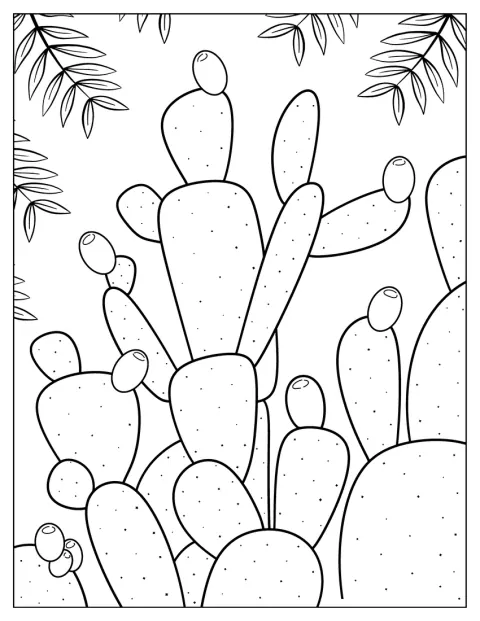
Prickly Pear Cactus Coloring Page
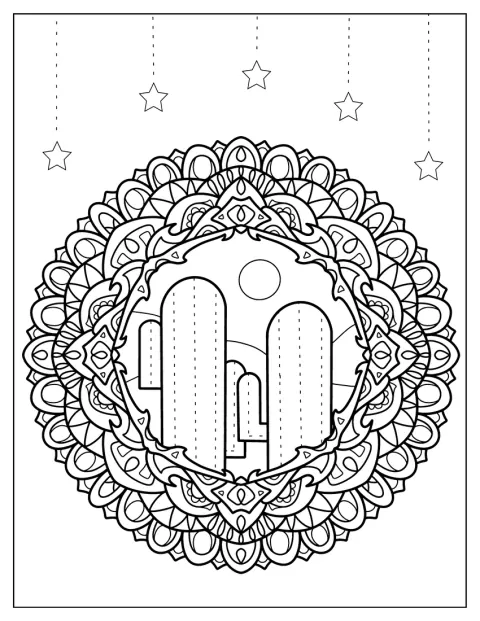
Simple Cactus Mandala Coloring Page For Adults
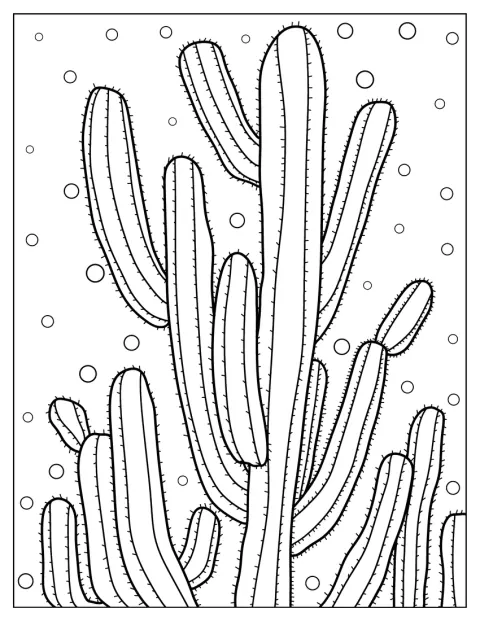
Realistic Desert Cactus With Spikes
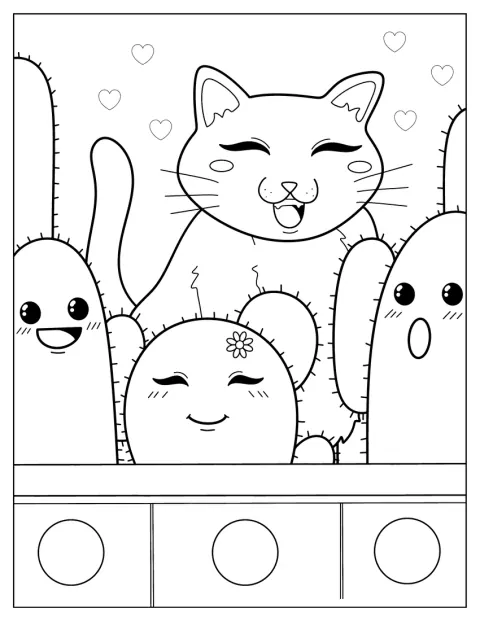
Kawaii Cactus Plants With Cat
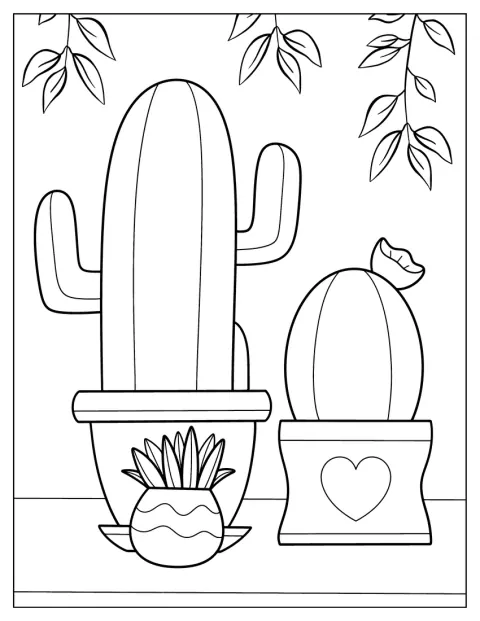
Easy Outline Of Cactus Plants For Toddlers
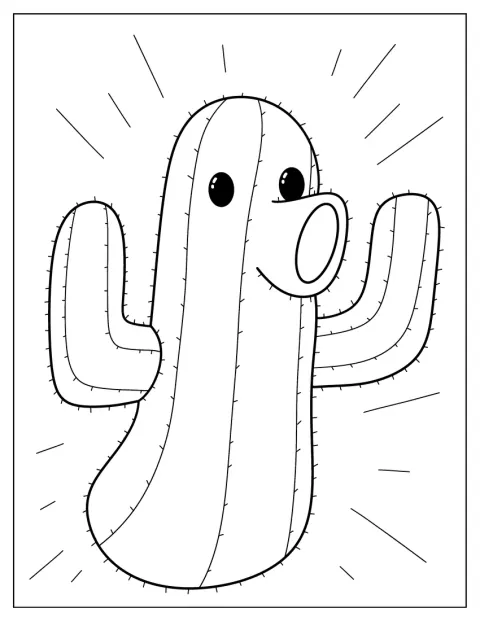
Plants Vs Cactus Coloring Page
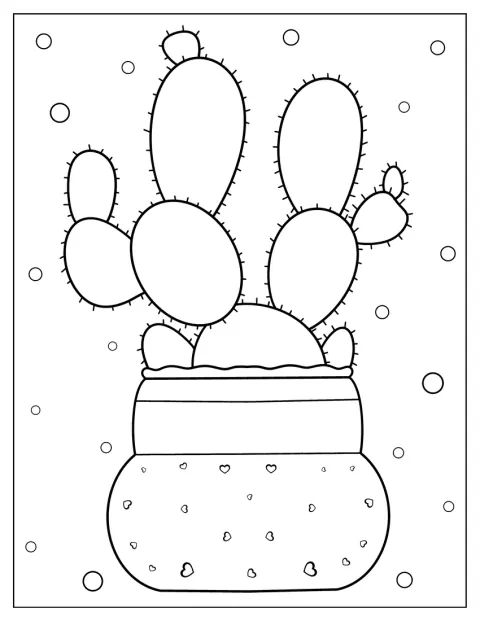
Little Cactus Plant In Pot To Color
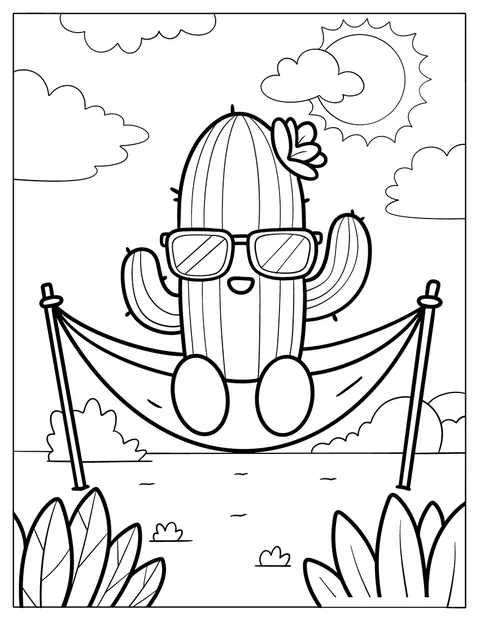
Cool Cactus With Sunglasses Relaxing in a Hammock
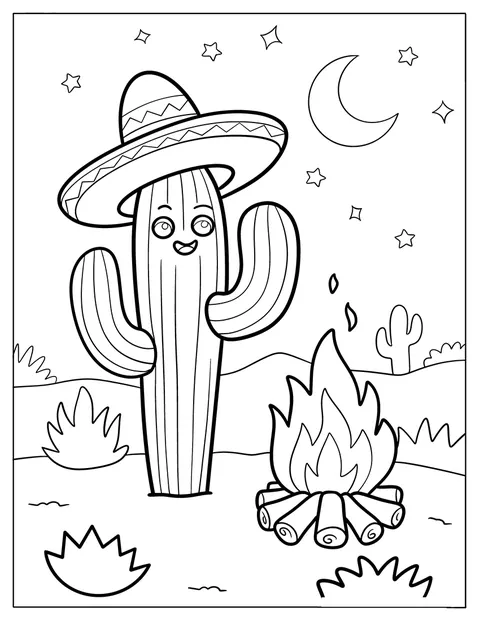
Cartoon Cactus Wearing a Sombrero by the Campfire Coloring Sheet
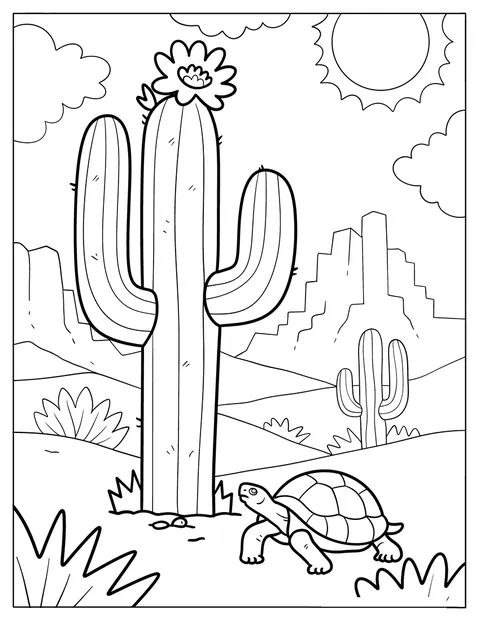
Sunny Desert Day with Cactus and Turtle Coloring Page
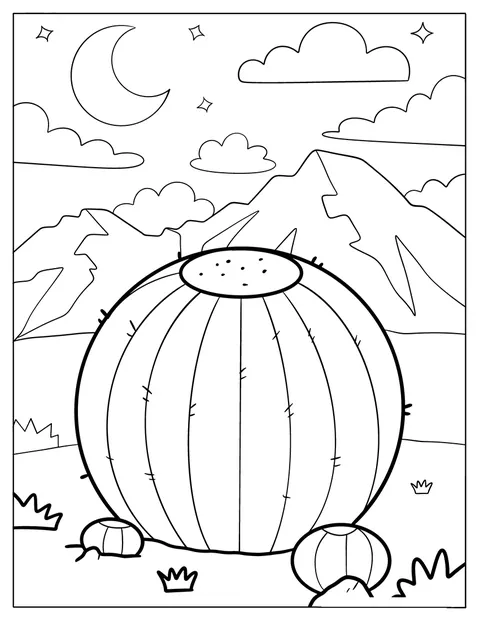
Starry Sky Above a Barrel Cactus Landscape Coloring Sheet
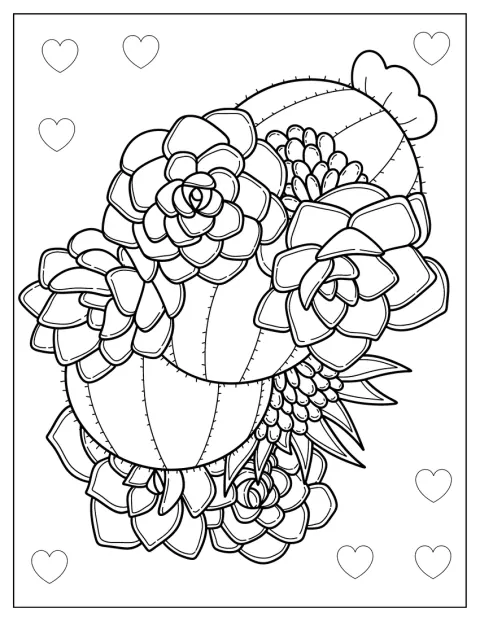
Cactus And Succulent Art Coloring Sheet
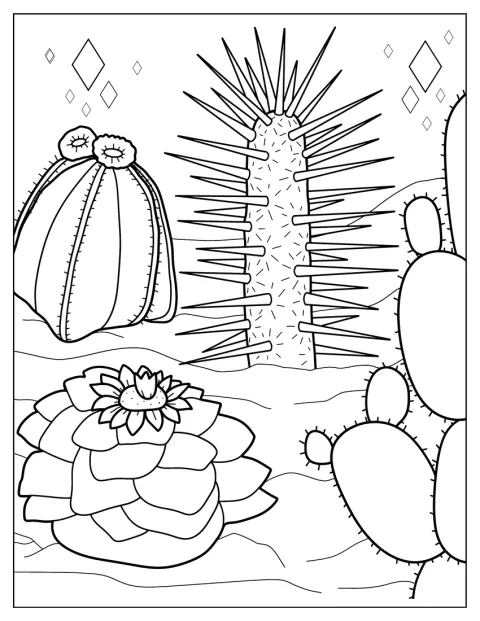
Assorted Cactus And Succulents In The Desert
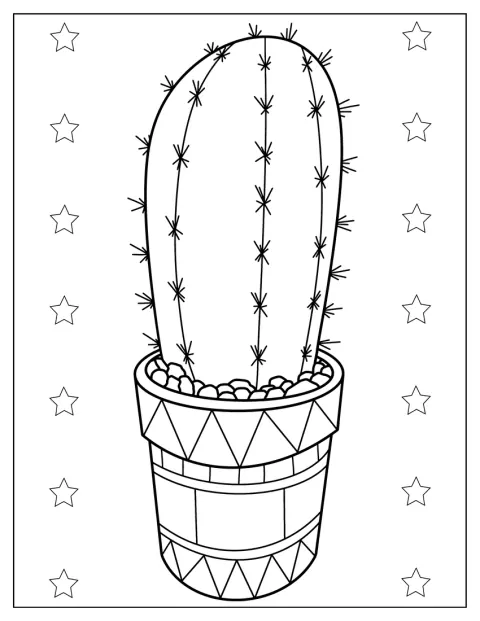
Baby Saguaro Cactus In South American Style Pot
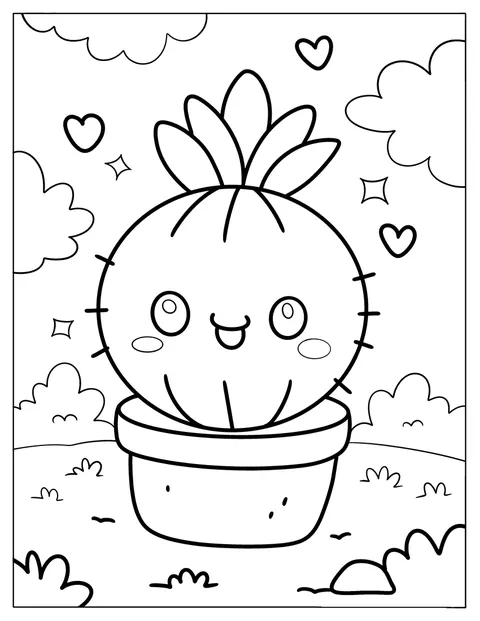
Simple Potted Cactus with a Leafy Crown Coloring Page For Preschoolers
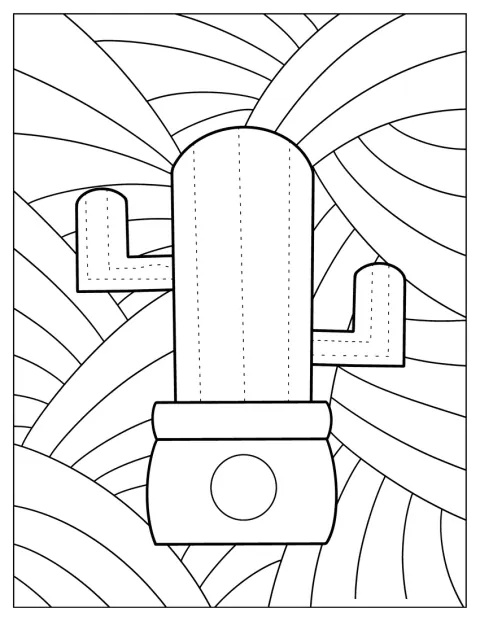
Abstract Cactus Coloring Page
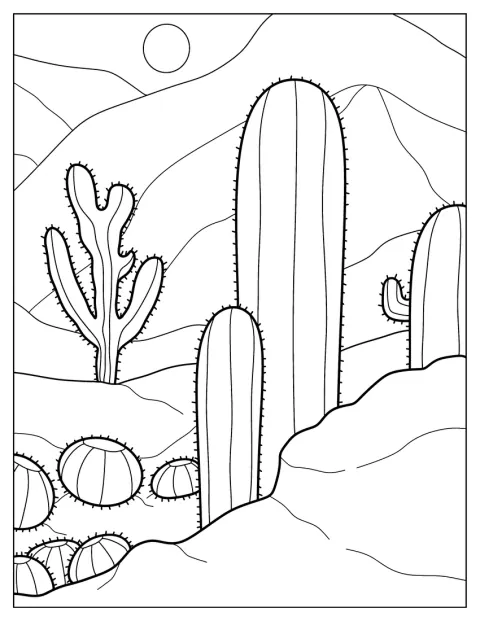
Various Cactus In Arizona Dessert To Color
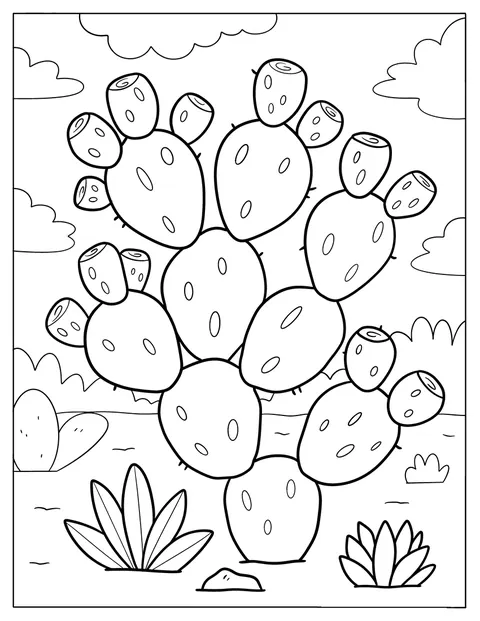
Prickly Pear Cactus in the Desert Sun Coloring Page
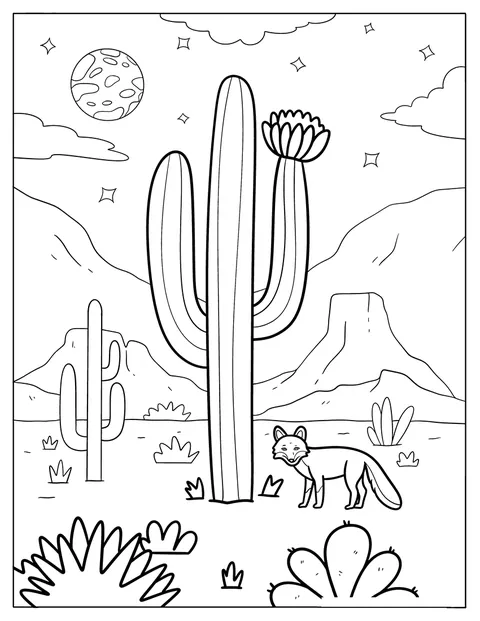
Large Saguaro Cactus Standing Tall Beside a Curious Coyote Under the Night Sky
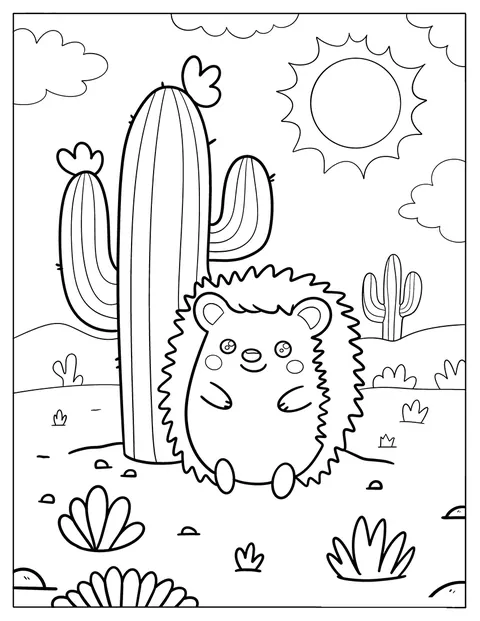
Kawaii Hedgehog Sitting by a Tall Saguaro Cactus Coloring Page
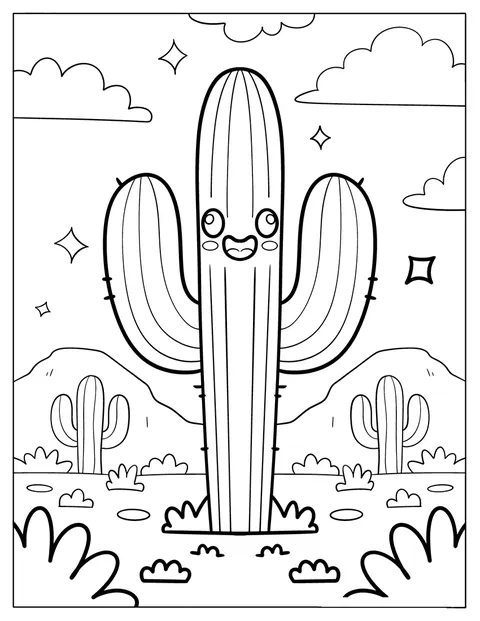
Happy Cactus Smiling in the Desert Coloring Page For Kids
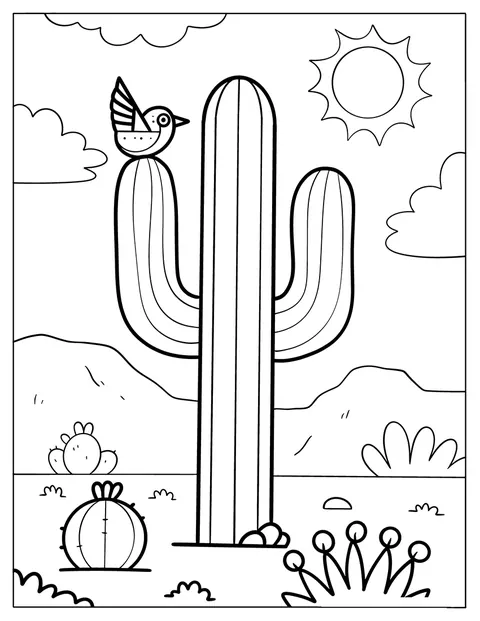
Easy Bird Resting on a Giant Cactus Coloring Page For Kids
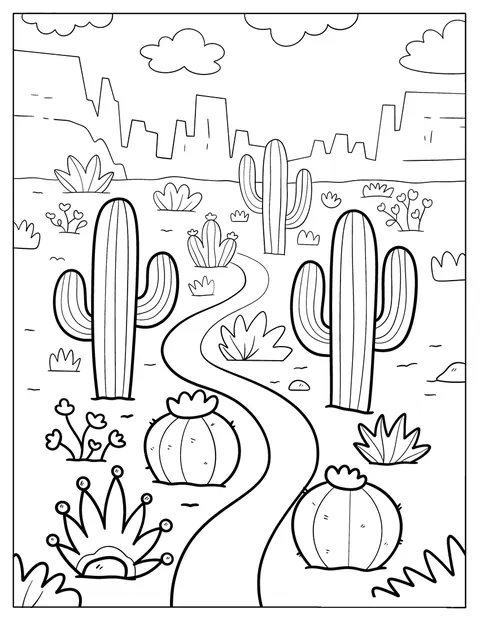
Desert Path with Tall and Round Cacti
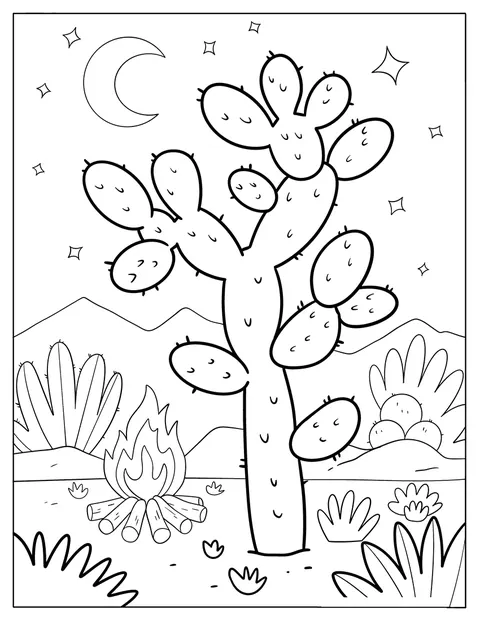
Desert Campfire Beside a Lone Cactus at Night Coloring Page
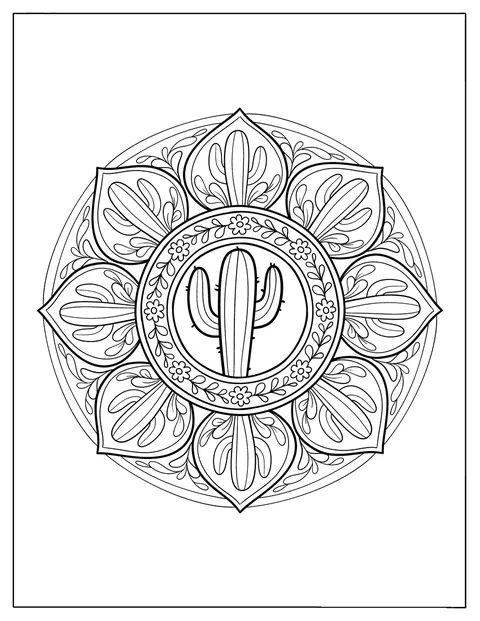
Desert Cactus in the Middle of a Leafy Mandala Coloring Sheet For Adults
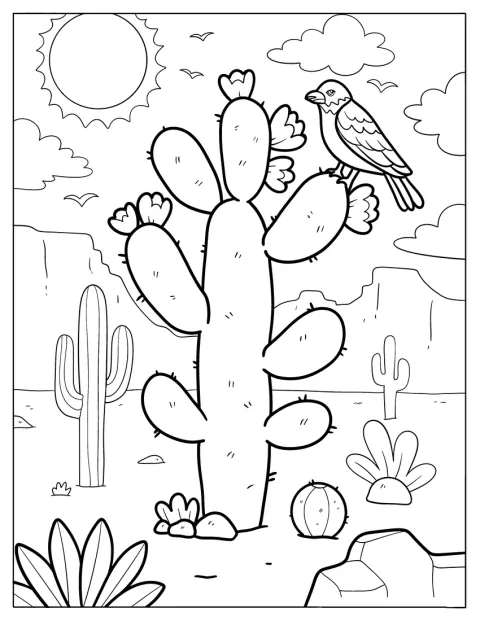
Desert Bird Resting on a Flowering Cactus Coloring Sheet
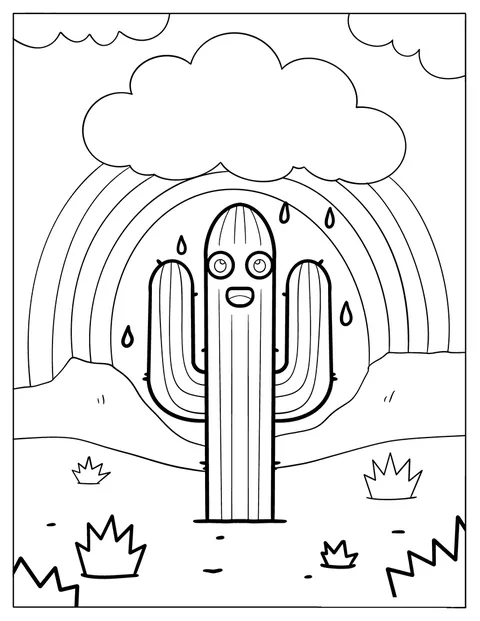
Cute Saguaro Cactus with Raindrops and Rainbow Coloring Page For Kids
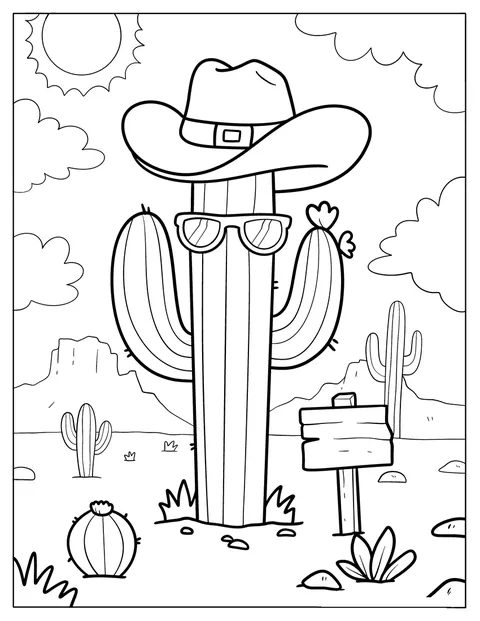
Cool Cowboy Cactus with Sunglasses and Hat
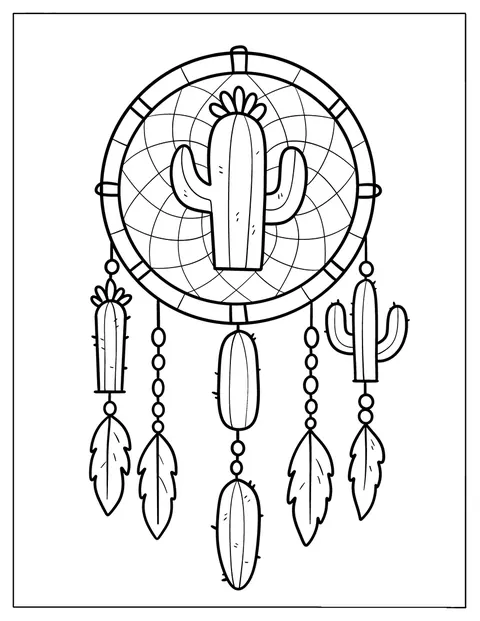
Cactus Dreamcatcher with Feathers and Charms Coloring Page For Kids
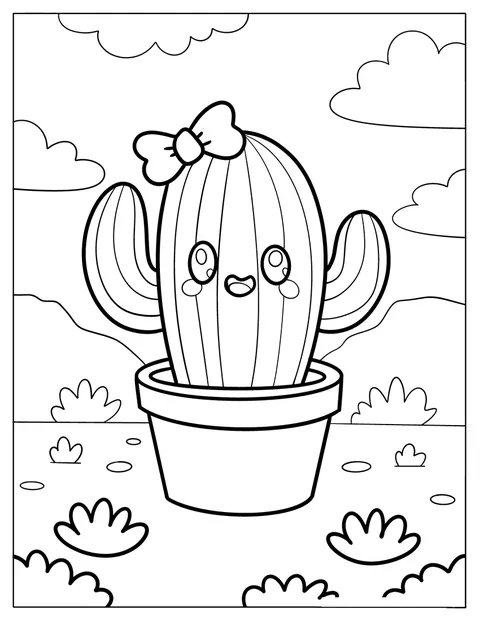
Baby Saguaro Cactus with a Bow in a Pot Coloring Sheet For Kids
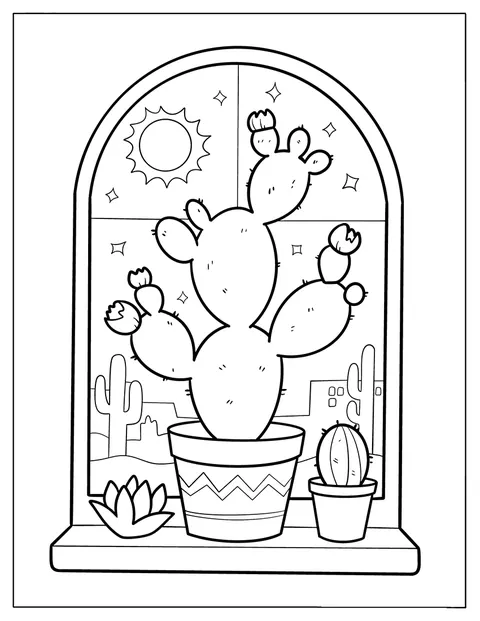
Two Potted Cacti and a Succulent on a Ledge of Window with Desert View
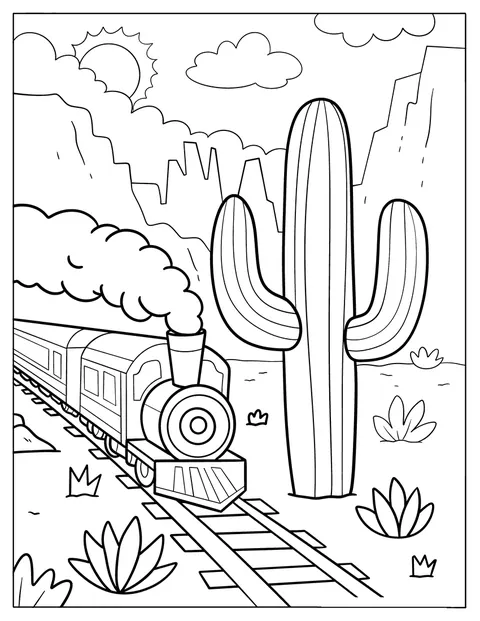
Steam Train Passing a Giant Desert Cactus
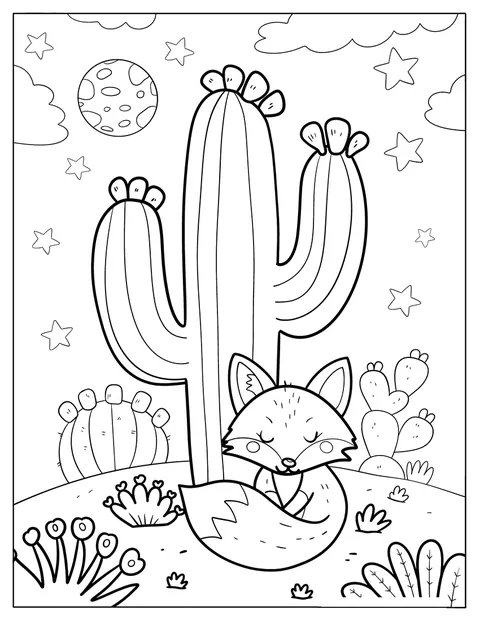
Sleeping Fox Beneath a Blooming Saguaro Cactus Coloring Sheet
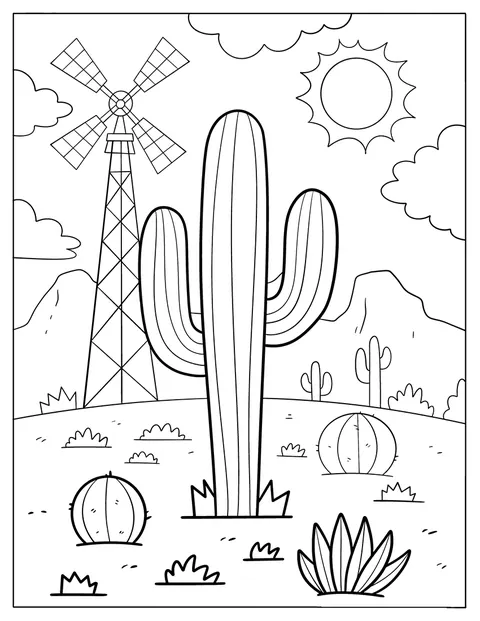
Majestic Saguaro Cactus Standing in a Desert Field With Windmill Coloring Sheet
No picture found
The pictures in this collection are temporarily unavailable.
See the other collectionsFree Printable Cactus Coloring Pages
Pick a simple cactus outline for a quick coloring break, or choose a fuller scene with a desert path, night sky, or flowering plant. The gallery also includes cute potted cacti, prickly pears, succulents, and mandalas, so you can match the drawing to the time and attention you have.
Choose by Age and Coloring Level
Think about how much space and detail the person coloring will enjoy. A large outline works well for small hands, while layered scenery and repeating patterns give older kids and adults more to work on.
Easy Cactus Coloring Pages for Kids
For a 3-year-old or preschooler, try the simple cactus outlines, the little plant in a pot, or the baby saguaro with a bow. Their broad shapes are easy to fill with crayons, and a rainbow or raindrops can make the picture feel like a small story.
A 7-year-old may enjoy the medium scenes, such as a desert path between tall and round cacti or a bird resting beside a bloom. These add a few more shapes to color without crowding the page; a train passing a giant cactus also gives kids a scene to imagine.
Cute Cactus Coloring Pages
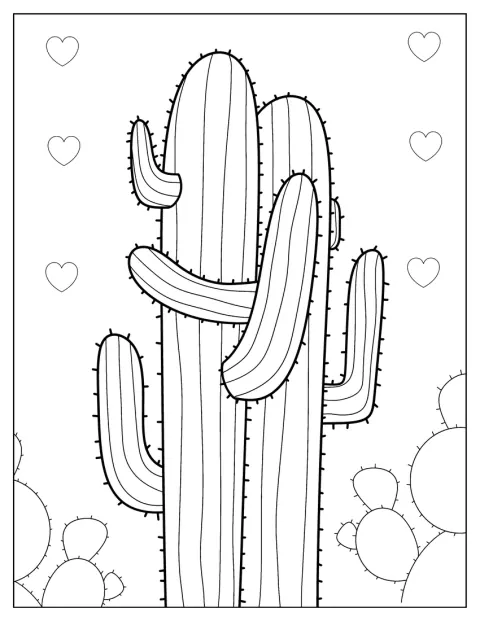
Choose a kawaii cactus with a cat, two cacti hugging, or a smiling saguaro in a sombrero for a playful mood. A hedgehog beside a tall cactus and a baby plant in a patterned pot bring in extra details without losing the friendly expressions.
Detailed Cactus Coloring Pages for Adults
For adults who like slower, more intricate coloring, the cactus mandala and leafy mandala have small repeating shapes to work through. The realistic cactus with spikes and the cactus-and-succulent design offer more natural textures, from ribs and spines to rounded leaves.
How to Tell Cacti from Other Succulents
Cacti are succulents, but not every succulent is a cactus. One useful clue is the areole, a small spot from which cactus spines, flowers, or new growth can emerge; the spines are modified leaves, while the fleshy stem stores water.
The pictures show several familiar shapes: a saguaro with tall arms, a rounded barrel cactus, and prickly pear pads. Look for those differences as you color. A flowering cactus can have bright blooms at its tips, while a leafy succulent has smooth, fleshy leaves instead of cactus spines.
Make a Desert Story Together
Choose a scene with a bird, turtle, fox, or coyote and take turns adding to its story. Decide where the animal is going, what it might find near the cactus, and whether the scene takes place in sunny daylight or beneath a starry sky.
For a simple follow-up, set out the Nature coloring pages and compare the plants and animals in each picture. Kids can point out which cacti have arms, pads, flowers, or a pot, then describe the colors they chose.
What Colors Should You Use?
Cacti are often shown in greens ranging from pale sage to deep forest, but you can vary the shades across a group of plants. Try a dusty green saguaro, a blue-green barrel cactus, and softer greens for nearby succulents so each shape stands out.
Use warm browns, sand, and ocher for desert ground, then add a vivid sunset, rainbow, or night sky. Pink, yellow, or red flowers make a bright accent against the spines and stems.
Print Cactus Coloring Pages as PDFs
Select “Open the PDF” to view a drawing, or choose “Print” to send it straight to a printer, including from your phone. Use fit-to-page for desert scenes, and consider thicker paper if you plan to use markers; colored pencils are handy for the small spines and mandala details.